




Hot and Crispy Jalebi
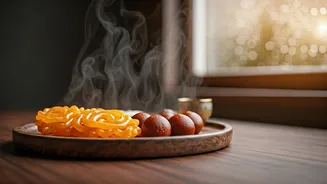
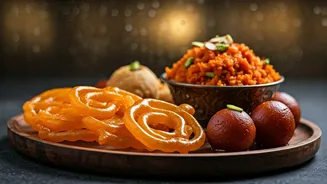
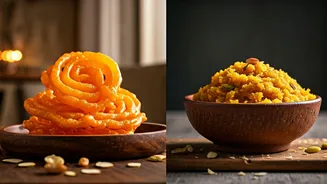
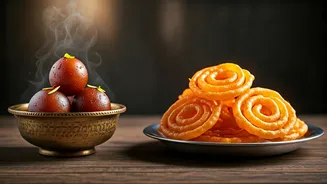
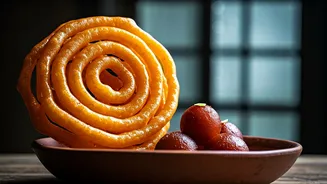
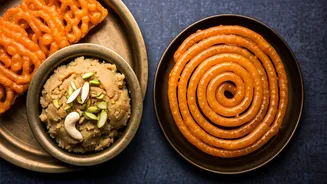
There is perhaps no dessert more synonymous with a rainy day than the jalebi. [12, 16] These bright orange, spiral-shaped sweets are made by deep-frying a fermented flour batter, which is then dunked into a warm sugar syrup. [6, 15] The result is a delightful
contrast of a crispy exterior giving way to a chewy, syrup-filled centre. The combination of warm, crunchy, and sweet makes it a perfect antidote to the cool, damp weather. [15] Enjoyed fresh from the kadhai, a plate of hot jalebis is the ultimate monsoon indulgence, often paired with a cup of tea or even a dollop of creamy rabri for extra decadence. [12]
Classic Malpua with Rabri
Malpua, often described as India's answer to the pancake, is a classic sweet that shines during the monsoon. [5, 8] These small, fluffy pancakes are traditionally made from a batter of flour, milk, and sometimes mashed bananas, then shallow-fried in ghee until golden and crisp at the edges. [2, 6] After frying, they are immersed in a fragrant sugar syrup, often infused with cardamom or saffron. [5] Served warm, frequently with a generous topping of thick, sweetened rabri (condensed milk), Malpuas are a rich and satisfying treat that feels like a warm hug on a gloomy day. [12] They are especially popular in states like Bihar, Odisha, and Uttar Pradesh. [2, 4]
Warm and Comforting Halwa
A bowl of warm halwa is the very definition of comfort food, making it a go-to dessert when the rain starts to fall. [8] Whether it's the rich and earthy Moong Dal Halwa, the classic Gajar ka Halwa, or the quick and easy Sooji ka Halwa, each variant offers a unique sense of warmth and satisfaction. [6, 12] Cooked slowly in ghee, milk, and sugar, and often studded with nuts like almonds and cashews, halwa is a rich, fudgy confection. [6] The aroma of it cooking is enough to make any home feel cosier, and its melt-in-the-mouth texture is pure bliss on a cool, rainy evening. [8]
Spongy and Sweet Gulab Jamun
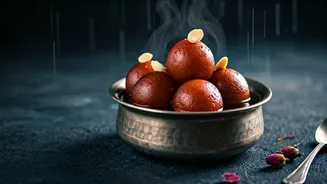
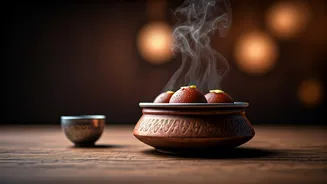
While loved year-round, there's something special about enjoying warm Gulab Jamun during the monsoon. [8, 13] These iconic, soft orbs are traditionally made from khoya (milk solids), which are deep-fried to a beautiful golden-brown and then soaked in a light, fragrant sugar syrup, often flavoured with rose water or cardamom. [6, 12] Served warm, these spongy, melt-in-your-mouth delights are incredibly satisfying. [5] The warmth of the jamun and the sweetness of the syrup provide instant comfort, making them a festive and joyful treat to share with family as you watch the rain outside. [8]
The Royal Shahi Tukda
For a truly indulgent experience, look no further than Shahi Tukda. Hailing from Awadhi cuisine, this royal dessert lives up to its name, which translates to "royal piece." [12] It involves deep-frying slices of bread until they are golden and crisp. These fried bread slices are then soaked in a sweet, creamy rabri, which is a thickened milk mixture infused with saffron and cardamom. [12] Garnished generously with slivered almonds and pistachios, Shahi Tukda is a rich, decadent, and incredibly flavourful dessert. Its combination of textures—crispy bread softened by creamy rabri—makes it an unforgettable monsoon treat.
Comforting Kheer or Payasam
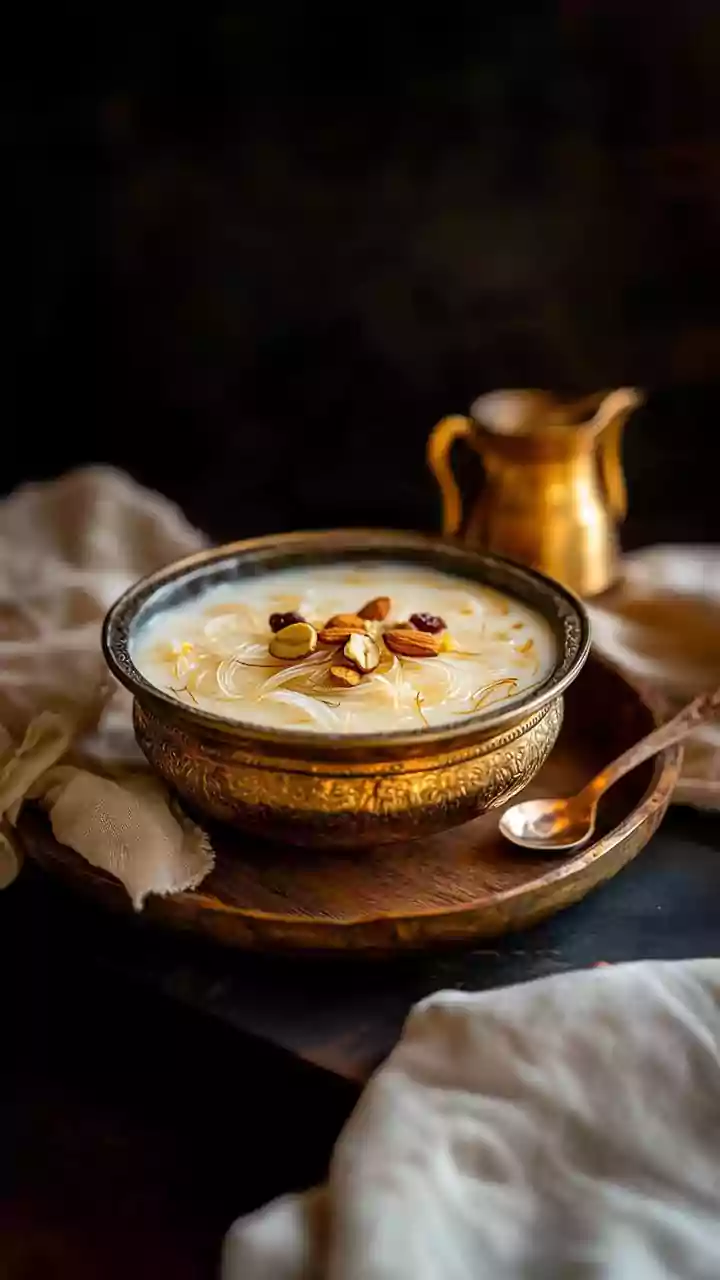
Kheer, or Payasam as it's known in the South, is a timeless creamy pudding that offers warmth and richness perfect for the monsoon. [7, 12] This versatile dessert is made by slowly boiling rice, vermicelli (seviyan), or tapioca with milk and sugar until it thickens into a creamy consistency. [6, 8] It’s often flavoured with cardamom and saffron and garnished with raisins and nuts. [7] Different regions have their own beloved versions, from the Nolen Gurer Payesh of Bengal sweetened with date palm jaggery to Kerala's Ada Pradhaman made with coconut milk. [7] A warm bowl of kheer is a simple, soul-satisfying conclusion to any meal on a rainy day. [4, 7]