




The Magic of Besan
Gram flour, or besan, is a powerhouse of versatility and one of the most underrated items in an Indian kitchen. Made from ground chana dal, this gluten-free flour is packed with protein. Its most famous use is for making the batter for pakoras, but its
utility goes far beyond that. You can whip up a quick, high-protein breakfast of besan chilla (savoury pancakes), create the beloved Gujarati snack dhokla, or use it as the base for a comforting bowl of kadhi. It also serves as an excellent thickener for curries and a binder for vegetable tikkis and kebabs, replacing the need for breadcrumbs or other binding agents. By keeping one bag of besan, you can eliminate the need for multiple single-use flours and batters, saving precious shelf space and cash.
The Humble, Hardy Potato
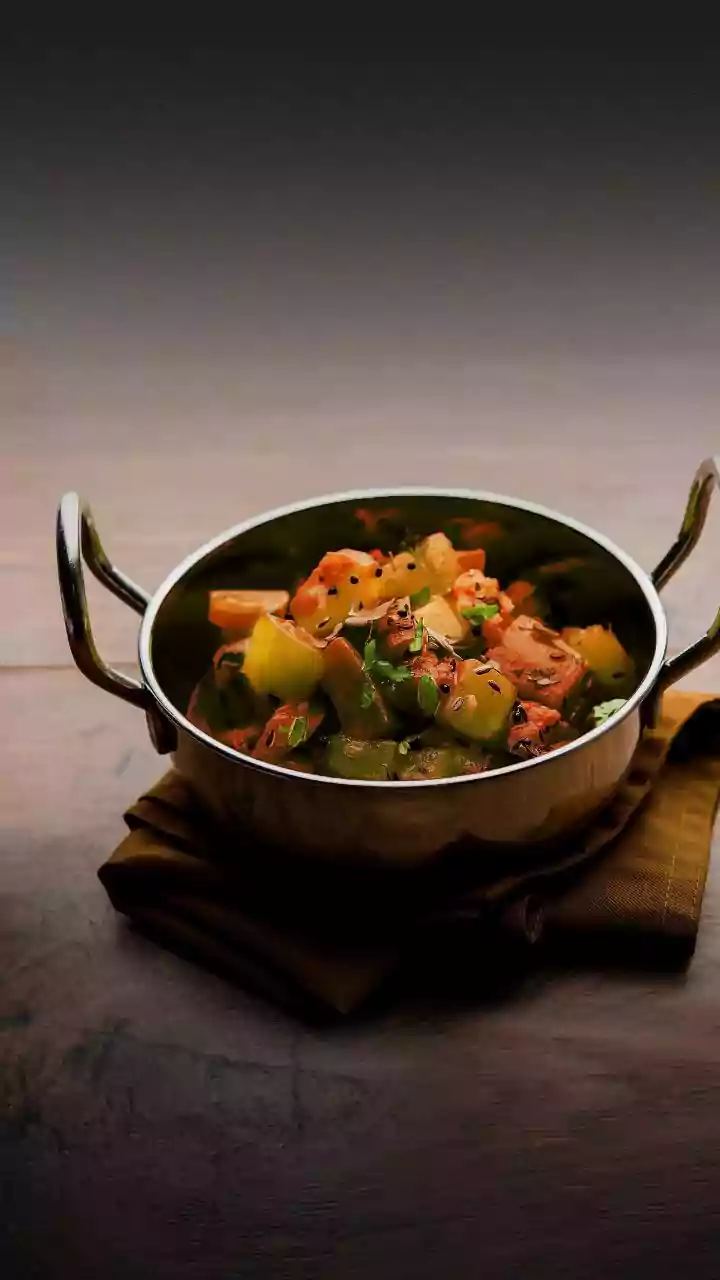
No budget-friendly list is complete without the potato. It's affordable, filling, and incredibly adaptable to almost any meal. Potatoes can be the star of the show in dishes like dum aloo or a simple jeera aloo. They can also play a supporting role, bulking up expensive vegetable and meat curries to make them go further. Mashed, roasted, fried, or boiled, the potato transforms with minimal effort. Think of them as the ultimate meal-extender. A bag of potatoes in the pantry means you always have the foundation for a satisfying meal, whether it’s a quick sabzi, crispy wedges served with chutney, or a filling for parathas and samosas. Their long shelf life also means less food waste compared to more perishable vegetables.
Lentils: The Protein Workhorse
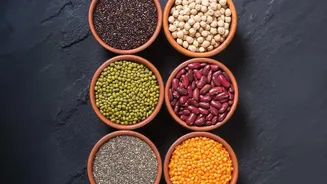
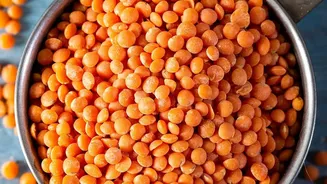
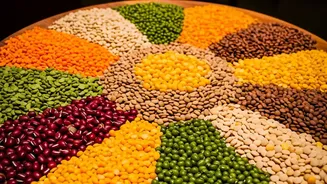
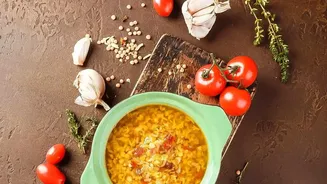
Lentils, or dal, are a cornerstone of Indian cuisine for a reason. They are an inexpensive source of protein, have a long shelf life, and are incredibly versatile. While it's tempting to stock many varieties, starting with one or two workhorses like masoor dal (red lentils) or moong dal (split green gram) is a smart strategy. Masoor dal cooks quickly, breaking down to create creamy, thick soups and dals. Moong dal is light and easy to digest, perfect for a simple dal tadka or a nourishing khichdi. Beyond a simple dal, you can use lentils to make savoury crepes (dosa), fritters (vada), hearty soups, and even sprout them for salads. One bag can provide the base for dozens of different meals, from everyday comfort food to more elaborate dishes.
Yogurt's Many Faces
Fresh yogurt, or dahi, is more than just a side dish; it's an active ingredient that can transform your cooking. It acts as a tenderiser in marinades for paneer or chicken, provides a tangy base for curries like kadhi, and can be thinned into buttermilk or blended into a refreshing lassi. Whipped with cucumber and spices, it becomes a cooling raita that complements any spicy meal. Its natural acidity and creaminess mean it can often stand in for sour cream or mayonnaise in dips and dressings, saving you from buying multiple containers of cultured dairy. Making your own yogurt at home from a small starter culture is also incredibly cost-effective, further stretching its budget-friendly benefits.
Onions: The Flavour Foundation
It may seem obvious, but the humble onion is perhaps the most essential flavour-builder you can have. Almost every savoury Indian dish starts with sautéing onions. Their ability to form the sweet, caramelised base of a masala is unmatched. But their utility doesn't end there. Sliced raw, they provide a pungent crunch to salads and chaat. Fried until crisp, they become a delicious garnish for biryani and kormas. Pickled in vinegar, they make a fantastic condiment that lasts for weeks. Because they are a foundational ingredient for countless recipes, buying them in larger quantities is often more economical, and their relatively long shelf life makes them a reliable pantry staple that ensures you're never without a starting point for a flavourful meal.