






The Power of Ginger: More Than Just Spice
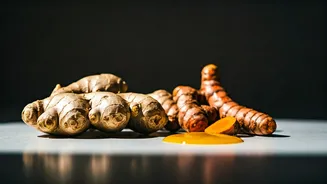
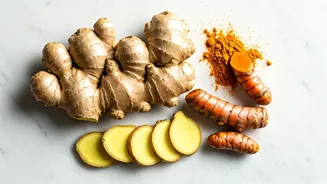
Ginger root has been a staple in traditional medicine for centuries, and for good reason. [12] Its main bioactive compound, gingerol, is responsible for much of its medicinal prowess. [4, 27] Research shows that gingerol has powerful anti-inflammatory
and antioxidant effects. [5, 27] Chronic inflammation can weaken the immune system, so managing it is key to staying healthy. [3] Ginger has been shown to help reduce markers of inflammation in the body and may even influence the production of cytokines, which are molecules that signal and regulate immune responses. [3] It also has demonstrated antiviral and antibacterial properties. [4, 13] While it won't magically erase an illness, these properties make it a great supporting player when your body is under the weather, helping with everything from nausea to the general aches and pains associated with being sick. [7, 21, 22]
Turmeric’s Golden Touch: Understanding Curcumin
Turmeric, the vibrant golden spice common in Indian cuisine, owes most of its health benefits to a compound called curcumin. [1] Curcumin is a potent anti-inflammatory agent and a strong antioxidant. [1, 9] Much like ginger, it works by helping to protect the body against damaging free radicals and reducing inflammation. [1] Scientific studies suggest curcumin can support the function of various immune cells, including T-cells and B-cells, which are essential for fighting off pathogens. [1, 6, 8] It has also been shown to stimulate the production of white blood cells, the body's first line of defense. [9, 13] The immunomodulatory effects of curcumin mean it can help regulate the immune system, preventing it from overreacting, which can sometimes happen during an infection. [8]
So, Can It Really 'Defeat' a Fever?
Here's where we need to be clear: a ginger turmeric shot is not a direct substitute for fever-reducing medication like paracetamol or ibuprofen. A fever is a natural and complex response by your body to fight an infection, and its presence indicates your immune system is hard at work. [23] There is some evidence from animal studies and traditional use that ginger and curcumin possess antipyretic (fever-reducing) properties. [11, 20] However, the primary benefit for someone with a fever comes from how these ingredients manage the associated symptoms. The anti-inflammatory power of both gingerol and curcumin can help ease the body aches, headaches, and general discomfort that often accompany a fever. [7, 14, 16] They support your immune system as it does its job, but they don't 'defeat' the fever itself. [1, 3] Think of it as providing comfort and reinforcement to your body's natural defenses, rather than a magic bullet.
How to Make Your Own Ginger Turmeric Shot
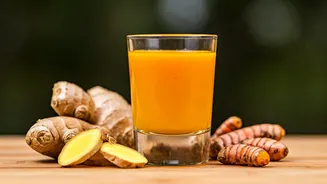
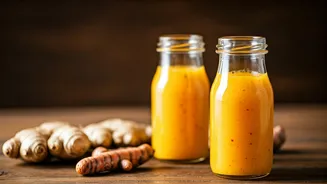
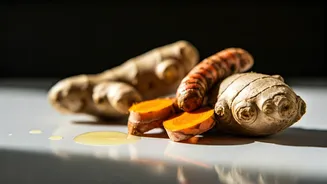
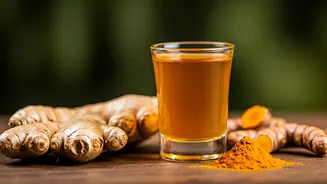
Making a fresh shot at home is simple and ensures you get the most potent ingredients. A shot is a concentrated dose, so a little goes a long way. Here’s a basic recipe for one serving: Ingredients: - 1-inch piece of fresh ginger, peeled - 1-inch piece of fresh turmeric, peeled (be careful, it stains!) - Juice of half a lemon - A pinch of black pepper - 1/4 cup of water or coconut water Instructions: 1. Roughly chop the ginger and turmeric. 2. Add all ingredients to a high-speed blender. 3. Blend until as smooth as possible. 4. Pour the mixture through a fine-mesh sieve or cheesecloth to remove the pulp, collecting the liquid in a glass. 5. Drink immediately for maximum benefits. The lemon juice adds a dose of Vitamin C, another immune system ally, while the pinch of black pepper is crucial. [22, 25] Black pepper contains piperine, a compound that has been shown to increase the bioavailability of curcumin by up to 2,000%, ensuring your body can actually absorb it effectively. [23, 24]
Important Considerations and When to Be Cautious
While generally safe for most people, these potent shots aren't for everyone. Due to their concentrated nature, they can sometimes cause gastrointestinal upset, heartburn, or irritation, especially if taken on an empty stomach. [15, 19] Both ginger and turmeric can have a mild blood-thinning effect. [21, 22] If you are taking anticoagulant medications like warfarin, are scheduled for surgery, or have a bleeding disorder, you should consult your doctor before making these shots a regular habit. [19, 26] Similarly, people with gallbladder disease or those on medication to manage blood sugar should exercise caution and speak with a healthcare professional, as ginger can stimulate bile flow and affect blood glucose levels. [10, 19, 22] Pregnant women should also consult their doctor before consuming high doses of ginger. [19, 21]