
Why Visit Mulshi?
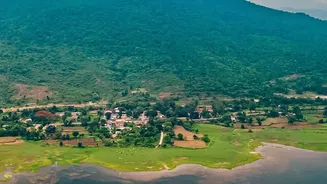
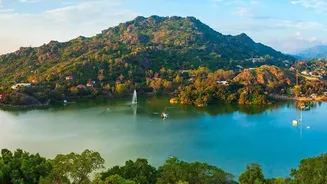
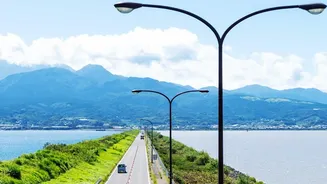
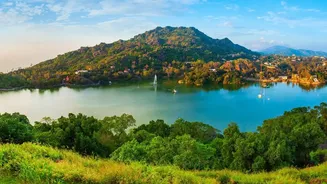
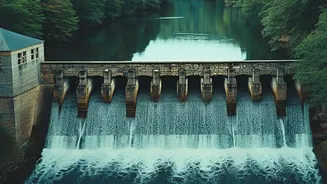
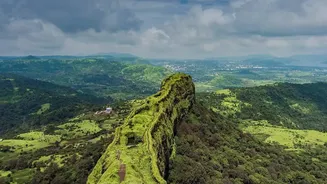
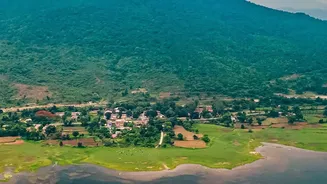
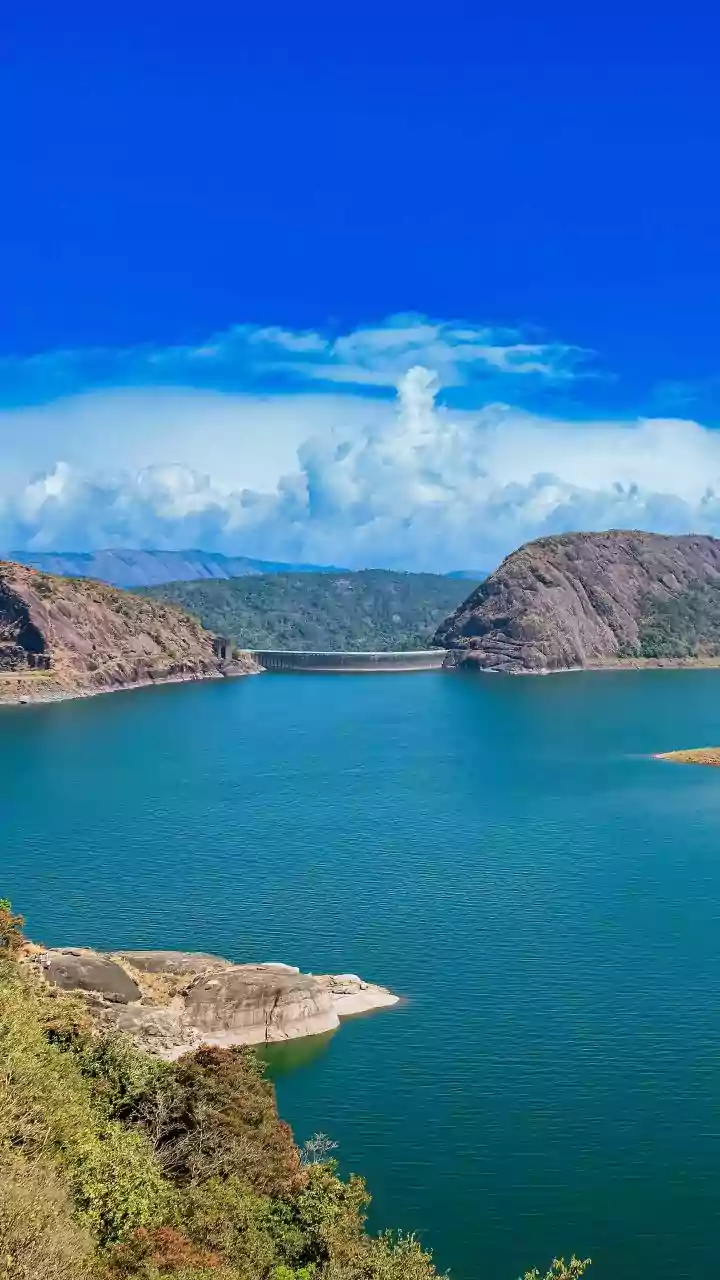
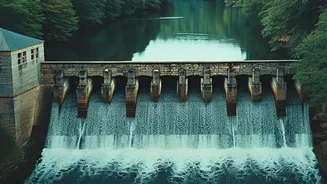
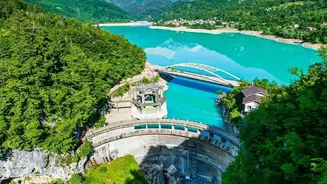
Mulshi is not a bustling tourist town but a broad rural area prized for its natural beauty and peaceful atmosphere. The main attraction is the large reservoir, formed by the Mulshi Dam on the Mula River, which snakes through the Sahyadri hills. Unlike
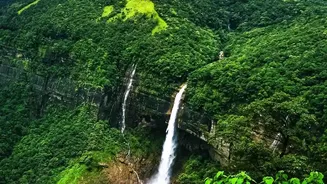
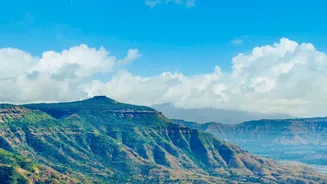
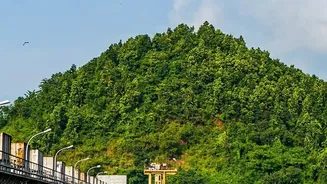
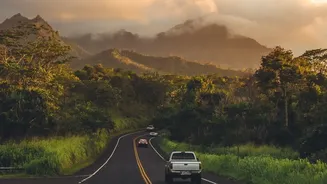
the commercial buzz of Lonavala, Mulshi offers a 'slow travel' experience, perfect for those looking to unwind. The landscape is a mix of wooded slopes, quiet villages, and expansive water views. It’s a destination for nature lovers, photographers, and anyone seeking a restful break. During the monsoon, its beauty is amplified, with lush greenery and numerous waterfalls making it a favourite for scenic drives.
Things to Do: Nature and Relaxation
The primary activities in Mulshi revolve around enjoying the scenery. Lakeside camping is incredibly popular, with many private operators offering tented stays complete with bonfires and meals. While swimming in the reservoir is not advised due to unpredictable currents, boating on the lake is a common pastime. The region is also a base for trekking and hiking, with trails leading to nearby forts like Koraigad and Tung Fort. For those less inclined to strenuous activity, a simple drive along the lake or through the famous Tamhini Ghat is a highlight, especially during the monsoon when the pass is misty and full of cascading waterfalls. Birdwatching is another popular activity, with kingfishers and herons often spotted by the water.
Best Time for Your Trip
Mulshi’s charm varies significantly with the seasons. The monsoon (June to September) is widely considered the most scenic time to visit. The hills turn a vibrant green, the dam is full, and waterfalls are abundant. This is the peak season for road trips and photography. The post-monsoon period (October to February) offers the best overall conditions, with pleasant weather perfect for camping and trekking under clear skies. Summer (March to May) is generally hot and the landscape is dry, but it's a good time for budget travellers to find deals and enjoy the quiet with fewer crowds.
Where to Stay
Accommodation in Mulshi caters to a range of preferences and budgets. The area is dotted with luxury resorts, boutique villas, and eco-friendly farm stays that capitalize on the scenic views. For a more rustic experience, numerous campsites are set up along the lake's shores, offering everything from basic tents to 'glamping' options with more amenities. Many visitors also opt to rent lakeside homes or cottages, which provide a private and immersive way to experience the area's tranquility. Given its popularity as a weekend destination, it is advisable to book accommodation in advance, especially during the monsoon and winter months.
Getting There from Pune
Mulshi is conveniently located approximately 40-50 kilometres west of Pune, making it an easy road trip. The most common and direct route is via Paud Road, a drive that typically takes between 1 to 1.5 hours, depending on city traffic. The roads are generally well-maintained, though travel can be slower during heavy rains. Driving your own car or riding a motorcycle are the most practical ways to explore the area, as public transport options are limited. While you can take a bus from Pune's Swargate Bus Depot towards Paud, you would need to rely on local transport like shared jeeps to reach specific points around the dam. Taxis are also readily available for hire from Pune.