





The First Signal: Good Lighting
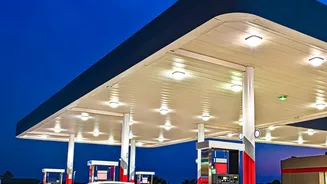
The first thing to assess when pulling over, especially after dark, is the quality of lighting. A brightly lit compound is more than just welcoming; it's a fundamental sign of security and investment. Poorly lit areas can conceal hazards, from uneven
ground to criminal activity. Highway authorities and safety experts agree that adequate lighting is a critical component of a safe wayside amenity. It signals that the management is present, attentive, and cares about the safety of their patrons. Well-lit parking lots, pathways, and entrances deter opportunistic crime and make it easier for travellers to feel secure as they stretch their legs, attend to their vehicles, or enter the eatery. It also suggests the establishment is doing enough business to afford the electricity, which is an early clue about its popularity and, by extension, its food turnover.
The Litmus Test: Clean Washrooms
Your next checkpoint should be the washroom. The state of the toilets is often a direct reflection of the state of the kitchen. An establishment that cannot maintain a clean, functional, and well-stocked washroom is unlikely to uphold higher hygiene standards where food is prepared. The National Highways Authority of India (NHAI) has outlined plans for developing wayside amenities with clean and hygienic rest rooms as a core component. For the traveller, a quick inspection is a powerful tool. Look for basics: running water, soap, a dry floor, and functional fixtures. The absence of these basics is a major red flag. A clean washroom indicates a commitment to operational standards and respect for customers, suggesting a similar discipline is applied to food handling and kitchen cleanliness.
The Main Event: Fresh Food Turnover
The final, crucial piece of the puzzle is fresh food turnover. A busy dhaba or restaurant with a steady stream of customers, particularly commercial truck drivers who are highway regulars, is one of your best indicators of food quality. High footfall means ingredients are purchased frequently and used quickly, reducing the chance of being served stale or unsafe food. The Food Safety and Standards Authority of India (FSSAI) has made registration mandatory for all eateries, including small roadside stalls, to bring them under a regulatory framework, but enforcement can be inconsistent. Therefore, the 'customer turnover' test is your on-the-ground confirmation. A bustling kitchen, a hot tandoor, and a full parking lot are signs of a successful establishment. This popularity is rarely accidental; it's earned through a reputation for good, safe food. This connects back to the first two points: a well-lit, clean establishment naturally attracts more people, which drives the high turnover necessary for fresh meals.
Putting It All Together: A Simple Safety Checklist
These three elements—lighting, washrooms, and turnover—are not independent. They form an interconnected system that separates a good roadside stop from a poor one. A well-run establishment invests in lighting for safety, which attracts more customers. This increased traffic justifies the cost and effort of maintaining clean washrooms. The steady flow of patrons, in turn, ensures high food turnover, leading to fresher, safer meals. When you're on the road, use this simple three-point check. Does the place look bright and secure? Is the washroom acceptably clean? Is the eatery busy with a mix of travellers and professional drivers? If you can answer yes to these questions, you've likely found a stop that prioritises safety and quality. This approach empowers you to make informed decisions, moving beyond hope and guesswork when choosing a place to rest and refuel on India's vast highway network.