






The Big Question: Do Users Pay for UPI?
Let's clear this up immediately: for the vast majority of people, UPI remains completely free. The National Payments Corporation of India (NPCI) and the government have repeatedly confirmed that standard UPI transactions will not carry any charge for customers.
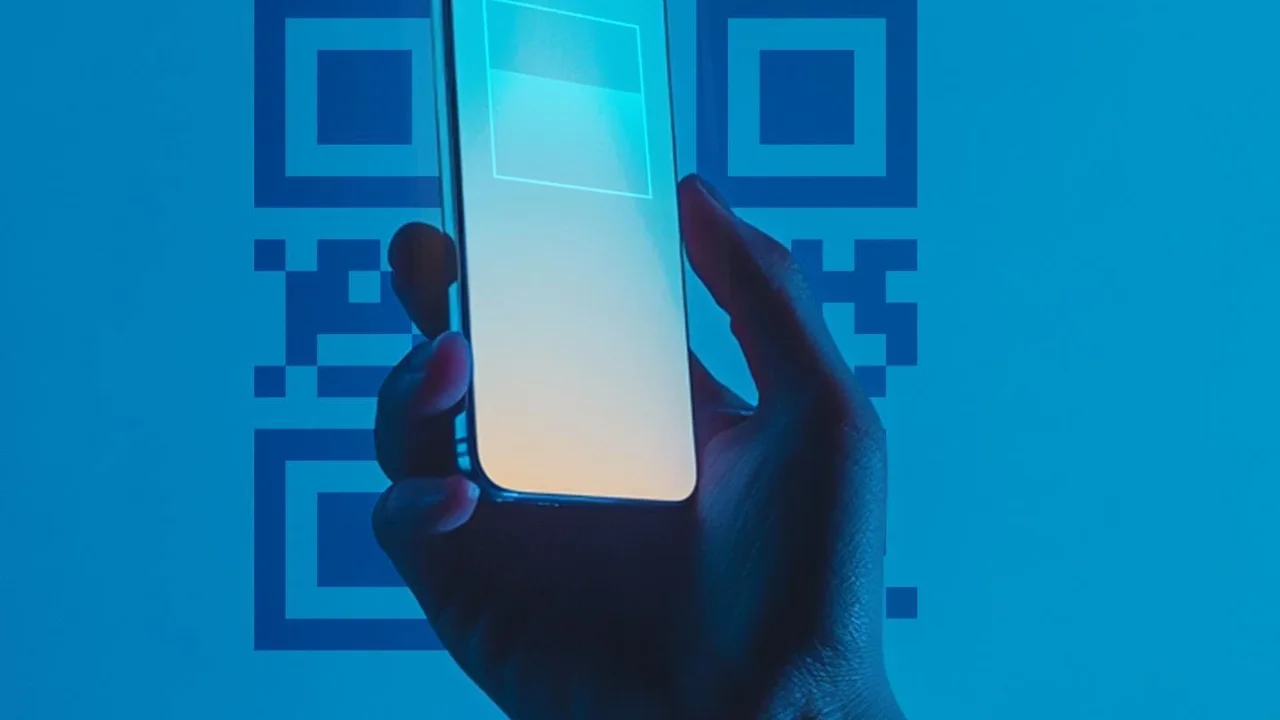
This means when you scan a QR code at a local shop or send money to a friend's bank account, you will not be charged a fee. Both person-to-person (P2P) and person-to-merchant (P2M) payments made directly from your bank account are free for you, the user.
Understanding the Interchange Fee
The confusion around fees stems from a specific charge called an "interchange fee." This fee, however, does not apply to regular UPI payments. It is only levied on merchant transactions over ₹2,000 that are made using a Prepaid Payment Instrument (PPI). PPIs are essentially digital wallets or prepaid cards where you store money in advance, such as a Paytm Wallet, PhonePe Wallet, or Amazon Pay balance. If you use your wallet balance to pay a merchant via UPI for an amount over ₹2,000, this fee comes into play. If you pay directly from your linked bank account, there is no interchange fee, regardless of the amount.
Who Actually Pays This Fee?
Crucially, the interchange fee is not paid by the customer. It is a charge paid by the merchant's bank to the wallet issuer (the company that provides the PPI). For instance, if you pay a large retailer ₹2,500 using your pre-loaded wallet, the retailer's bank pays an interchange fee of up to 1.1% to your wallet provider. This fee is intended to cover the costs incurred by wallet issuers for processing these transactions. The final cost is typically borne by the merchant, who might see it as a business expense for accepting digital payments.
What This Means for Merchants
For merchants, the situation is slightly more complex. While the government has stated that the vast majority of merchant transactions will remain free, some may face costs. The interchange fee on high-value PPI transactions is one such cost. The rate can vary from 0.5% to 1.1% depending on the merchant's business category, such as fuel, utilities, or supermarkets. This fee structure is a commercial arrangement between the merchant and their payment service provider. Small merchants are generally exempt from these charges, ensuring that UPI remains an accessible and affordable option for them.
How Do Payment Apps Make Money?
If UPI transactions are mostly free, how do apps like PhonePe and Google Pay sustain their business? Their revenue doesn't come from charging users for basic UPI transfers. Instead, they have built entire ecosystems around the core UPI service. Their primary income streams include commissions from bill payments (like electricity and DTH recharges), fees from ticket bookings, and cross-selling financial products like insurance, loans, and mutual funds. They also offer specialised business solutions to merchants, which can include loyalty programs and data analytics, creating a business model that leverages their large user base without directly charging for P2P payments.
Why Introduce Fees at All?
The introduction of the PPI interchange fee is part of a broader strategy to ensure the long-term financial sustainability of the digital payments ecosystem. Running the UPI infrastructure involves significant costs related to technology, security, and fraud prevention. By allowing payment service providers to earn revenue on certain types of transactions, the NPCI aims to encourage continued investment and innovation, ensuring the system remains robust and reliable as it expands further into rural and semi-urban areas.