




The Indoor Air Dilemma
When the rain begins, our instinct is to seal up the house. While this keeps water out, it also traps indoor pollutants. Everyday activities like cooking, cleaning, and even breathing release moisture and compounds into the air. Without ventilation, humidity
rises, creating an ideal environment for mould, mildew, and dust mites, which can thrive when indoor humidity climbs. This is especially true during the Indian monsoon, where indoor humidity can reach 70-90%. This trapped, moist air can often become more saturated and polluted than the air outside, leading to musty smells and potential health issues, especially for those with allergies or asthma.
When to Keep Windows Firmly Shut
There are definite times when opening windows is a bad idea. During a heavy downpour, keep them closed to prevent water from seeping into sills and walls, which can lead to structural damage and hidden mould growth. It's also wise to keep them shut if outdoor humidity is extremely high, as you'll only be inviting more moisture inside. While rain can wash pollutants out of the atmosphere, the air quality right at the start of a shower in a heavily polluted city might still be poor as the initial rain brings down accumulated grime. Wait for the rain to fall for a little while before considering ventilation. Finally, if you already have a known mould problem near a window, opening it might disturb the spores and spread them further into the room.
The Surprising Case for Opening Up
Counterintuitively, the air during and after a rain shower is often cleaner and fresher than at any other time. Rain acts as a natural air purifier, scrubbing dust, pollen, and pollutants from the atmosphere. Opening your windows at the right moment allows this clean, oxygen-rich air to circulate through your home, flushing out stale, pollutant-heavy indoor air. Even a short period of ventilation can make a significant difference. A quick, 5-to-10-minute burst of “shock ventilation,” where you open windows on opposite sides of the home to create a cross-draft, can replace the entire volume of indoor air without letting walls and furniture absorb much moisture.
Timing Is Everything: The Strategic Moments
The key is not if you should open your windows, but when. The best times are during a light drizzle or, even better, in the period just after a good spell of rain has ended. This is when the air outside is at its cleanest and often coolest. Early mornings and late evenings during the monsoon can also be good opportunities for ventilation. If it's raining heavily but you need to air out a room, such as a bathroom after a shower or a kitchen after cooking, opening a window just a crack or using a tilt function can allow for some air exchange without letting in significant rain. The goal is to be strategic, airing out the home in short, effective bursts when the conditions are favourable.
Beyond the Windows: Other Air Quality Allies
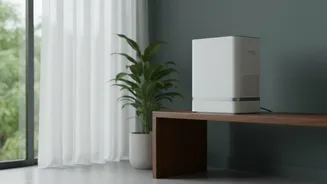
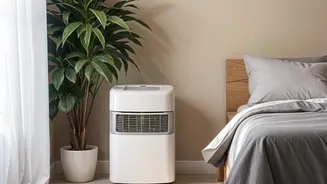
Ventilation is just one part of the solution. To truly combat monsoon humidity and maintain good indoor air quality, consider a multi-pronged approach. Using exhaust fans in kitchens and bathrooms is crucial to expel moisture at the source. A dehumidifier can be an excellent investment, working to pull excess moisture from the air and keep humidity levels below the 60% threshold where mould is likely to grow. Many air conditioners also have a 'Dry' mode, which functions as a dehumidifier without over-cooling the room. Finally, if you live in a high-pollution area, a HEPA air purifier can filter out fine particulate matter, mould spores, and other allergens that ventilation alone can't solve.