





The Monsoon Month of Wellness
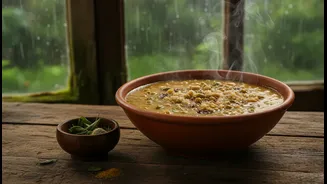
Karkidakam, which typically falls from mid-July to mid-August, is traditionally seen in Kerala as a challenging month. The heavy rains and damp climate historically led to a slowdown in agricultural activity and a greater susceptibility to illness. Ayurvedic
principles suggest that during this period, the body's digestive fire, or 'Agni', is at its weakest, and immunity is low, making it a crucial time for restorative care. In response, Keralites developed 'Karkidaka Chikitsa', a seasonal wellness regimen focused on detoxification and rejuvenation to prepare the body for the year ahead. At the heart of this practice is a special diet, and its star is the Karkidaka Kanji.
What is Karkidaka Kanji?
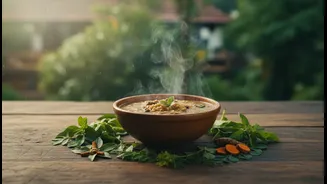
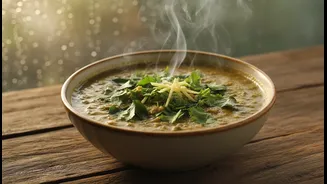
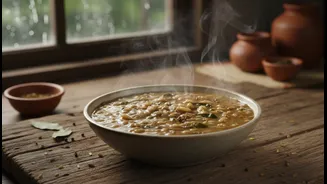
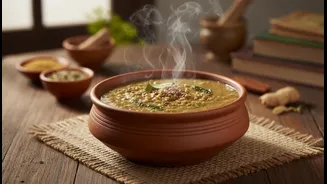
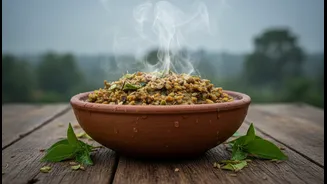
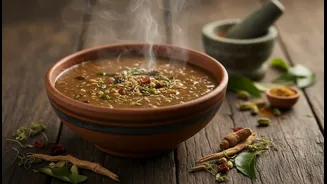
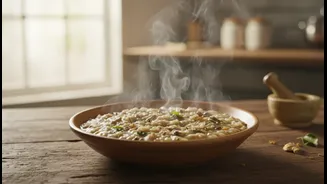
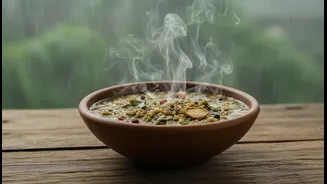
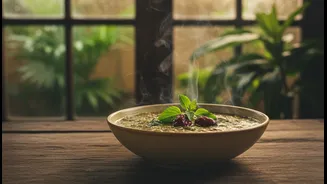
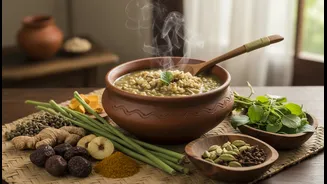
Far more than a simple rice gruel, Karkidaka Kanji—also known as Oushadha Kanji (medicinal porridge) or Marunnu Kanji (medicine porridge)—is a carefully formulated dish designed to heal and nourish. Its base is typically Njavara rice, a short-grain variety native to Kerala prized for its medicinal properties. This is cooked with coconut milk and a potent blend of herbs and spices. While recipes can vary from household to household, common ingredients include fenugreek, cumin, dry ginger, and black pepper, all chosen for their specific therapeutic actions. The 'marunnu' or medicine component often includes a 'kootu' (mix) of several dried herbs, which traditionally were sourced from the home garden.
A Bowlful of Ayurvedic Wisdom
According to Ayurveda, every ingredient in Karkidaka Kanji has a purpose. The warming spices like ginger and cumin are intended to rekindle the weakened digestive fire and reduce bloating. Fenugreek is known for its anti-inflammatory properties, which can help with the joint stiffness often associated with the damp monsoon weather. The herbal blend, which can include powerful combinations like Dashapushpam (ten sacred flowers) or Dashamoola (ten medicinal roots), is aimed at boosting immunity and helping the body eliminate toxins, or 'ama'. Consumed daily, usually as a light evening meal for a period of at least seven days, the kanji is believed to balance the body's doshas, particularly the aggravated Vata dosha common during the rainy season.
The Revival of a Tradition
Once a staple in many Kerala homes, the practice of making Karkidaka Kanji saw a decline. However, in recent years, there has been a significant resurgence of interest. This revival is driven by a growing global wellness trend and a renewed appreciation for traditional, local food systems. People are increasingly looking for natural ways to boost immunity and health, and this ancient tradition offers a time-tested solution. The renewed interest is also commercial. Recognizing the demand, many Ayurvedic brands and local businesses now offer pre-packaged 'Karkidaka Kanji kits', which contain all the necessary rice, spices, and dried herbs, making the tradition accessible to busy, modern households that may no longer have access to backyard herbs.
More Than Just Porridge
The renewed popularity of Karkidaka Kanji is part of a larger movement towards celebrating and preserving regional Indian cuisines. As celebrity chefs and food historians highlight forgotten recipes, there is a growing understanding that traditional foods are not just about taste but about a holistic way of living that is connected to seasons and local ecology. This medicated porridge embodies the Ayurvedic principle of 'Ahara as Aushadha'—food as medicine. It serves as a delicious reminder that ancient wisdom holds practical solutions for modern wellness challenges, offering a way to nourish the body and reconnect with cultural heritage in each spoonful.