


The Rise of Mindful Minimalism
As urban homes become more compact, so too does our approach to festive decor. The trend towards minimalist Navratri setups is a direct response to modern city living, where space is a premium. But it’s more than just a practical adjustment; it’s a conscious
choice. Homeowners are increasingly seeking a more serene, sustainable, and spiritually focused celebration, proving that the scale of your devotion isn't measured in square feet. This less-is-more philosophy prioritises quality over quantity, favouring a few well-chosen, meaningful pieces over an abundance of temporary decorations. The goal is to create a peaceful sanctuary that calms the mind and allows the spiritual essence of Navratri to shine through, free from physical and visual clutter.
Defining the Compact Puja Corner
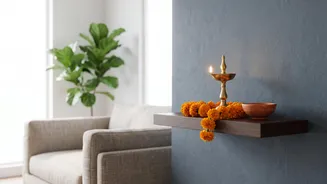
A compact puja corner is not about sacrificing tradition but about smart, intentional design. It’s a dedicated sacred space, thoughtfully carved out from an existing room. This could be a floating wall shelf, a small console table, a cleared section of a bookshelf, or even a repurposed cabinet. The idea is to create a distinct focal point for prayers and rituals without overwhelming the room. Wall-mounted mandirs and modular units are becoming especially popular for their space-saving efficiency, providing storage for puja essentials while keeping the floor clear. These setups prove that even the smallest nook can be transformed into a powerful and serene space for worship.
Elements of an Uncluttered Setup
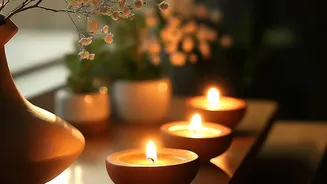
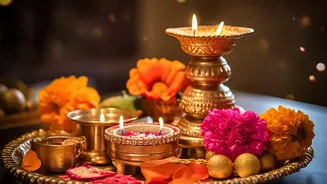
To achieve a minimalist yet festive look, focus on a few key elements. First, establish a clear focal point, which is always the idol or image of the Goddess. Place it on a clean, elevated surface like a chowki. Next, adopt a limited colour palette. Instead of a riot of colours, choose two or three harmonious shades—perhaps one festive hue like red or yellow, paired with a neutral like cream or beige—and use brass as a metallic accent. Lighting is crucial; opt for soft, warm illumination from diyas, a single elegant brass lamp, or a string of fairy lights to create a serene glow rather than harsh brightness. Finally, incorporate natural elements. Fresh flowers, even just a few in a small urli, add life and fragrance without creating clutter.
Maximise Vertical and Corner Spaces
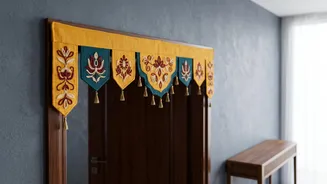
In smaller homes, the walls are your best asset. Utilising vertical space is key to an uncluttered festive setup. Install simple floating shelves to hold the main idol, diyas, and small offerings. This draws the eye upward and keeps precious floor space free. Corners, which are often underutilised, can be transformed into the perfect puja spot. A simple L-shaped shelf can create a designated mandir area without intrusion. You can hang a small toran of real leaves or a single bell to demarcate the sacred space. By thinking vertically, you can create a layered and complete festive look that feels expansive and organised.
Embrace Sustainable and Reusable Decor
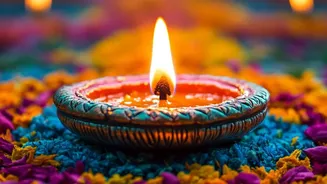
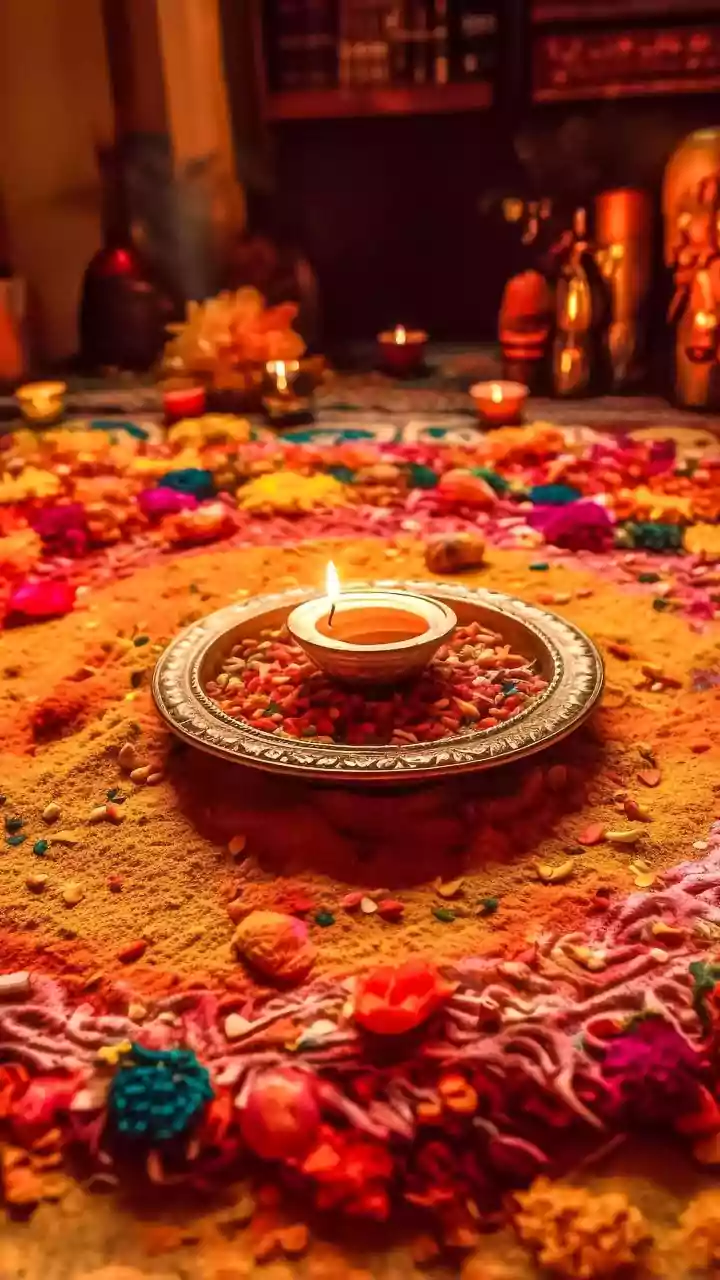
The move towards uncluttered setups aligns perfectly with a growing desire for sustainability. Instead of buying disposable plastic decorations, this trend encourages investing in timeless, reusable pieces. Brass items like diyas, bells, and urlis not only look elegant but will last a lifetime. Fabric plays a huge role; a beautiful old saree or a colourful dupatta can be repurposed as a backdrop for the idol, adding texture and colour without waste. For elements like rangoli, consider using natural materials like rice flour or flower petals instead of chemical-based powders. This approach is not only kinder to the environment but also adds an authentic, heartfelt touch to your decorations.