




The Fading Annual Leave
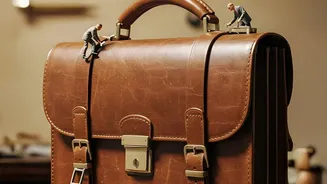
The traditional two-week family holiday, planned months in advance, is becoming a relic of the past for many young Indians. In today's fast-paced work environment, taking a long, uninterrupted break can feel impossible. Professionals worry about the mountain
of emails and deadlines that will greet them upon their return. Furthermore, coordinating schedules with friends or family who live in different cities often means a planned trip never even materializes. Annual leave is now a scarce resource, frequently spent on family obligations like weddings rather than personal rejuvenation, forcing a rethink of what a vacation can be.
The Rise of the Micro-Cation
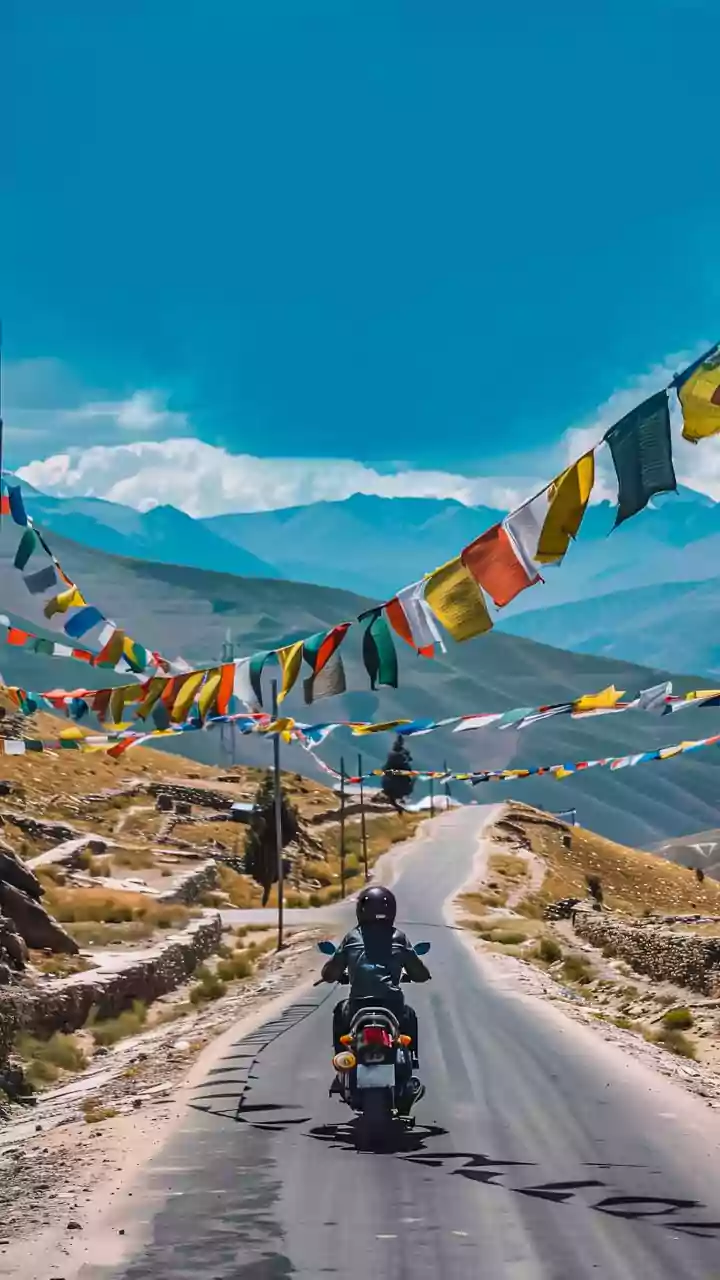
Enter the micro-cation: a short, intentional getaway of two to four days, often built around a long weekend. This trend, sometimes called 'holiday snacking', allows for a quick reset without draining leave balances or requiring extensive planning. A Thursday night decision can turn into a Friday departure for a hill station retreat or a beach escape. According to a recent Airbnb report, seven in ten Gen Z travellers would rather take three short trips than one long one. This shift has turned travel from a once-a-year event into a regular habit, a way to punctuate the monotony of routine and manage burnout.
Work, Leisure, and the Bleisure Boom
The rise of remote and hybrid work has unlocked another powerful trend: the 'workation' and 'bleisure' travel. A workation involves relocating to a scenic destination while maintaining a regular work schedule, changing the view without taking formal leave. 'Bleisure' involves extending a business trip by a few personal days for sightseeing and relaxation. India is a leader in this space, with Indian business travellers extending work trips for leisure at the highest rate in the Asia-Pacific region. This model is particularly appealing as it blends productivity with a change of scenery, offering a sustainable way to avoid burnout.
Driven by Burnout and a Desire for Experiences
This fundamental shift in travel habits is driven by deeper cultural currents. Widespread professional burnout is a major factor, with surveys showing high levels of exhaustion among young Indian professionals. Micro-breaks serve as a crucial antidote, providing frequent opportunities to disconnect and recharge. Simultaneously, there's a generational preference for spending on experiences rather than possessions, fuelled in part by social media. For Gen Z and Millennials, travel is an act of self-expression. These short, story-rich trips offer the perfect content for an Instagram feed and a way to build a life rich in memories.
It’s Not Always About Going Far
Redesigning breaks isn't just about quick flights to new cities. The trend also includes 'staycations'—exploring one's own city and enjoying its attractions without the hassle of travel. For those seeking deeper immersion without the rush, 'slow travel' is also gaining traction. This involves spending a longer period, sometimes weeks, in a single destination to absorb the local culture, often while working remotely. These varied approaches show that the goal is no longer just to get away, but to find meaningful and manageable ways to pause, reflect, and recover from the pressures of modern life.