


The Unquestionable Reign of Dasheri
For generations of North Indians, the arrival of summer is heralded not just by the rising temperatures, but by the sweet, intoxicating aroma of the first Dasheri mangoes. Hailing from the mango belts of Uttar Pradesh, the Dasheri is less a fruit and
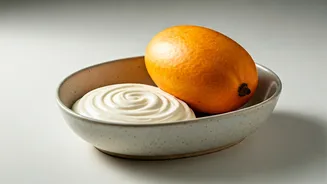
more an institution. Its vibrant yellow-green skin, slender shape, and famously fibreless, sun-kissed pulp make it the undisputed ‘king’ for many connoisseurs. Traditionally, its honeyed sweetness is enjoyed on its own, perhaps chilled, or transformed into simple delights like aamras. The classic pairing, if any, is with dairy—a splash of milk, a dollop of rich malai, or churned into a lassi. It’s a flavour profile steeped in nostalgia and tradition, a taste of home that feels perfect and complete on its own.
Enter Oat Cream: The Modern Contender
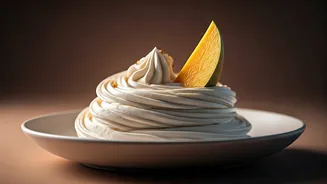
On the other side of the culinary spectrum is oat cream, a relative newcomer that has rapidly gained popularity worldwide. A plant-based alternative to dairy cream, it’s made by blending oats with water and a neutral oil. The result is a surprisingly rich, thick, and velvety liquid with a subtle, nutty sweetness. Initially championed by vegans and those with lactose intolerance, oat-based products have crossed over into the mainstream. Their appeal lies in their creamy texture, which mimics dairy well, and their neutral flavour profile that doesn't overpower other ingredients. In a global food scene increasingly focused on health, sustainability, and plant-based options, oat cream represents a modern, conscious choice.
A Match Made in Flavour Heaven?
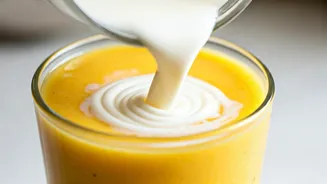
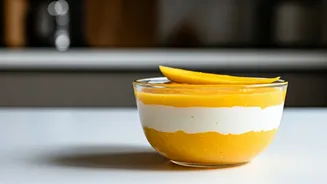
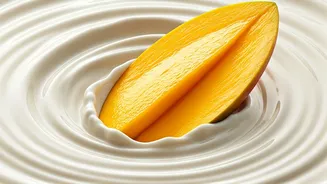
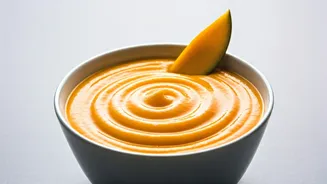
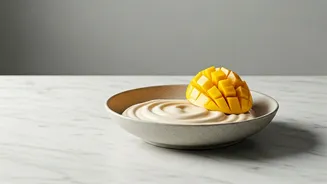
At first glance, pairing a heritage fruit like Dasheri with a modern creation like oat cream might seem unusual, even sacrilegious to some purists. But food influencers and home cooks who are championing the combination argue that it’s a match that makes perfect culinary sense. The intense, almost syrupy sweetness of a ripe Dasheri can sometimes be overwhelming. The oat cream, with its mild flavour and rich texture, cuts through that sweetness without competing with it. Unlike dairy cream, which has a distinct lactic tang, oat cream provides a smoother, more neutral canvas. It allows the mango’s complex floral and honey notes to shine, while adding a luxurious, velvety mouthfeel. The layering—cubes of bright orange mango against swirls of pale cream—also makes for a visually stunning, Instagram-ready dessert that’s effortlessly elegant.
More Than Just a Dessert
This trend isn't just about flavour; it's a reflection of a broader cultural shift in India. It signifies a new generation of food lovers who deeply respect tradition but aren't bound by it. They are globally aware, health-conscious, and willing to experiment. For them, food is a form of self-expression. Combining Dasheri and oat cream is a quiet statement. It says that you can honour the legacy of an iconic Indian ingredient while embracing a modern, plant-based lifestyle. It caters to a growing demographic that is either choosing to be vegan or reducing dairy for health and environmental reasons. This pairing bridges the gap, offering a dessert that feels both indulgent and contemporary, nostalgic and forward-thinking. It’s a microcosm of the new Indian kitchen: rooted in local produce but open to global influences.
How to Try the Trend at Home
Curious to try it yourself? The beauty of this trend is its simplicity. You don't need a complicated recipe, just high-quality ingredients. Start with perfectly ripe, fragrant Dasheri mangoes; they should yield slightly to gentle pressure and smell sweet at the stem. Peel and cube the mangoes, chilling them for at least 30 minutes. For the cream, you can find pre-made oat cream in many larger grocery stores, or you can make your own. To serve, simply layer the chilled mango cubes and cold oat cream in a glass or bowl. For extra texture and flavour, consider a sprinkle of toasted pistachios, a pinch of cardamom, or a few strands of saffron. The goal is to let the two main ingredients shine, creating a simple yet sophisticated dessert in minutes.