





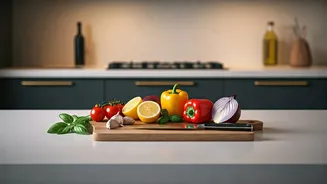


From Studio Pressure to Home Comfort
The era of chefs screaming in pristine, intimidating kitchens seems to be making way for a gentler, more relatable style of food programming. While high-octane competitions like 'Hell's Kitchen' and 'Chopped' still have their place, streaming platforms
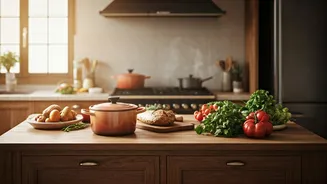
are increasingly investing in content that feels less like a battle and more like an invitation. [4, 11] Think less about impossible mystery baskets and more about a grandmother showing you her time-honoured recipe. Shows like Netflix’s 'The Big Family Cooking Showdown' and the enduring appeal of Ree Drummond on 'The Pioneer Woman' showcase families and home cooks in their actual, sometimes chaotic, home environments. [1, 4] This shift reflects a move away from pure spectacle towards something more nourishing for the viewer: comfort, connection, and a sense of reality.
The Irresistible Appeal of Authenticity
So, why the sudden appetite for this brand of wholesome content? The answer lies in a collective craving for authenticity. After years of perfectly curated social media feeds and heavily produced reality TV, audiences are seeking genuine connection. [2, 18] Watching a family cook together, with all its inherent messiness and inside jokes, feels real in a way a timed challenge under studio lights often doesn't. This trend was amplified by the pandemic, which saw a surge in home cooking and a renewed appreciation for domestic life. [5] Shows that celebrate home kitchens tap into this nostalgia and the desire to find beauty in the everyday. As one analyst notes, this content is successful because it allows viewers to feel part of an experience, imagining the tastes and smells from their own couch. [22, 23]
The New Stars of Food Media
The heroes of this new genre aren't necessarily Michelin-starred chefs. They are relatable personalities who viewers feel a personal connection with. [2] Take Samin Nosrat's 'Salt Fat Acid Heat' or the late Anthony Bourdain's 'Parts Unknown', both of which prioritized story, culture, and connection over complex technique. [3, 4] More recently, shows like 'Selena + Chef', where a celebrity learns to cook alongside professionals from her own home, perfectly capture this spirit. [4] It’s a format that says, “It’s okay not to be perfect.” Even social media has a huge influence, where home cooks on platforms like YouTube and TikTok build massive followings by being themselves, paving the way for streaming services to adopt a similar, more intimate style. [11, 15] This content is less about flawless execution and more about the joy of the process.
A Smart Business Decision for Streamers
For streaming giants, this programming shift is also a savvy business move. Compared to large-scale, multi-camera competition shows, series filmed in a single home kitchen can be significantly more cost-effective to produce. Moreover, they appeal to a broad, multi-generational audience, making them a safe and reliable bet. [13] In an increasingly saturated market, platforms are focused on retaining subscribers. [17] Providing a steady diet of comforting, feel-good content is a key strategy for keeping viewers engaged and feeling valued. [13] It creates a 'lean-back' experience that encourages binge-watching and fosters loyalty to the platform. By offering a diverse menu that includes both high-energy competitions and these cozier, story-driven shows, streamers can cater to every viewer's taste. [8]