





Choose Your Wardrobe Wisely
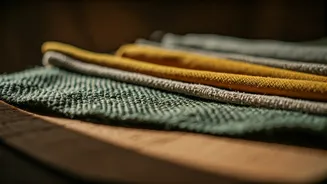
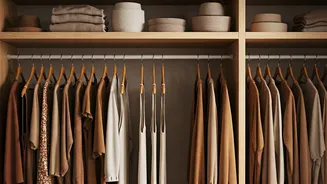
High humidity and sudden downpours make fabric choice crucial. While cotton is breathable, it absorbs moisture and takes a long time to dry. A better, more sustainable option is organic cotton, which is grown without harmful pesticides. For even better performance,
consider fabrics like linen, hemp, or Tencel. Linen, derived from flax, requires very little water to grow and dries quickly. Hemp is naturally resistant to mould and mildew, a common monsoon menace, while also being a highly sustainable crop. Many brands now also offer rainwear made from recycled polyester, which is crafted from post-consumer plastic bottles, diverting waste from landfills and oceans while keeping you dry. These materials are not only better for the planet but also designed to handle damp conditions, keeping you comfortable without that sticky, clammy feeling.
Eco-Friendly Home Care
Dampness, mould, and musty smells are common household problems during the monsoon. Instead of reaching for chemical-laden sprays, turn to your kitchen for natural solutions. A spray made from boiled neem leaves has powerful antifungal properties perfect for treating mould-prone walls. To combat musty odours, place bowls of coarse salt or coffee grounds in corners; they are excellent natural moisture absorbers. You can enhance their effect by adding a few drops of antifungal essential oils like tea tree or eucalyptus. For wooden furniture, which is vulnerable to swelling and warping, save and reuse the silica gel packets that come with new products. Place them in drawers and cupboards to draw out excess moisture and protect your belongings.
Rethink Your Rain Gear
Cheap, disposable plastic ponchos are a major source of pollution, often ending up in drains and landfills after just one use. Investing in a durable, high-quality raincoat and umbrella is a more sustainable choice that lasts for many seasons. Look for brands that use recycled materials and PFC-free waterproofing, which avoids the use of 'forever chemicals' that are harmful to the environment and our health. Some companies even have take-back programs to recycle old rain gear. By opting for reusable rainwear, you significantly reduce plastic waste and make a long-term investment in both your comfort and the planet's health.
Mindful Consumption and Waste
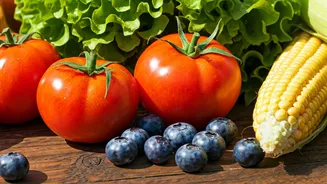
The monsoon is a time of abundance for certain local fruits and vegetables like jamun, gourds, and corn. Eating seasonally and locally not only reduces your carbon footprint but also supports local farmers. It's also a crucial time to be mindful of waste. Heavy rains can wash plastic and other garbage into drainage systems, causing blockages and polluting water bodies. Make a conscious effort to segregate your waste at home and reduce single-use plastics wherever possible. This can be as simple as carrying your own reusable bag for shopping and using steel or glass containers for food storage instead of cling film.
Harvest Every Drop
It seems paradoxical to talk about water conservation during a season of heavy rainfall, but it's more important than ever. Many regions in India face water scarcity soon after the monsoon ends. The intense downpours often lead to surface runoff, with a large amount of water lost to drains rather than replenishing groundwater. You can make a difference even on a small scale. Place buckets or barrels to collect rainwater from your rooftop or balcony. This collected water is perfect for watering plants, cleaning floors, or washing your vehicle, reducing your reliance on treated tap water. For a larger impact, communities can explore rainwater harvesting systems that channel water back into the ground, helping to recharge local aquifers for the dry months ahead.