



Why the Monsoon Muddies the Water
The arrival of the monsoon is a welcome sight, but the heavy downpours put immense pressure on our public infrastructure. So, why does water quality dip so sharply during this season? Firstly, widespread waterlogging and flooding can contaminate groundwater
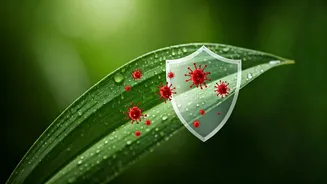
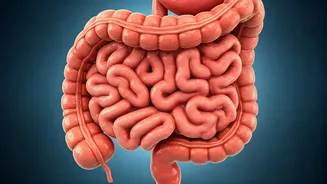
and municipal water sources. Overflowing sewers and drainage systems often mix with clean water lines, introducing a cocktail of harmful bacteria and viruses. Secondly, older water pipes, which may have minor cracks, can draw in contaminated soil and water when the pressure changes. This means that even water coming directly from your tap might not be as safe as you think. Understanding this risk is the first step towards protecting yourself from common monsoon ailments like cholera, typhoid, jaundice (Hepatitis A and E), and gastroenteritis.
The Gold Standard: Boil Your Water
In the fight against water-borne diseases, boiling remains the most effective and accessible purification method. It is the gold standard recommended by health organisations worldwide. The process is simple: bring water to a full, rolling boil for at least one minute. If you are at a higher altitude (above 2,000 metres), you should boil it for three minutes. This simple act kills virtually all disease-causing microorganisms, including bacteria, viruses, and protozoa. Even if you use a water filter, boiling your drinking water during the peak of the rainy season provides an added layer of security. After boiling, let the water cool down naturally and store it in a clean, covered container.
Decoding Your Water Purifier
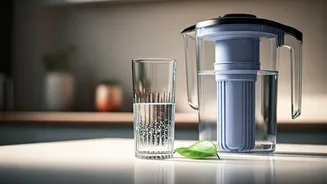
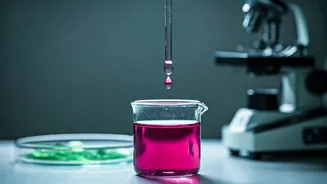
Modern water purifiers offer great convenience, but not all are created equal, and it’s important to know what your machine can and cannot do. Reverse Osmosis (RO) purifiers are excellent at removing dissolved solids, heavy metals, and microorganisms by forcing water through a semi-permeable membrane. Ultraviolet (UV) purifiers use UV light to kill bacteria and viruses but do not remove dissolved impurities or chemicals. Ultrafiltration (UF) uses a membrane to block larger particles like bacteria and cysts but is less effective against viruses. Many modern systems combine these technologies (RO+UV+UF) for comprehensive purification. Ensure your purifier is serviced regularly, especially right before the monsoon begins, as filters can get clogged and their effectiveness can reduce over time.
Beyond the Tap: Beware Hidden Dangers
Ensuring safe drinking water at home is only half the battle. Contaminated water can enter your system through various other routes, especially when you are eating out. Be cautious of food and drinks from street vendors. Ice used in juices, sherbets, and 'golas' is often made from unregulated water sources and can be a major carrier of germs. Salads and chutneys that are washed and prepared with unclean water pose a similar risk. When eating out, opt for hot, freshly cooked meals and stick to bottled water or hot beverages like tea and coffee. At home, make sure you wash all fruits and vegetables thoroughly with clean, safe water before consumption.
Safe Storage Is Just as Important
The effort you put into boiling or filtering water can be completely undone if it is not stored correctly. Once purified, water can easily become re-contaminated. Always store your drinking water in clean, dedicated containers with tight-fitting lids. Avoid stainless steel or copper vessels if you use chemical purifiers like chlorine, as they can react with the metal. Use a long-handled ladle to take water out of the container. Dipping your hands or a glass directly into the stored water can introduce germs. It’s also a good practice to clean your water storage tanks and household containers thoroughly before the monsoon season starts.
Know the Symptoms and Act Fast
Despite taking precautions, infections can sometimes occur. Being able to recognise the early warning signs of water-borne diseases is crucial for timely treatment. Common symptoms include diarrhoea, vomiting, stomach cramps, fever, body aches, and loss of appetite. Jaundice, a key symptom of Hepatitis A and E, manifests as yellowing of the skin and eyes, along with dark-coloured urine. If you or a family member, especially a child or an elderly person, experiences these symptoms, it is vital to seek medical advice promptly. Avoid self-medication, as it can mask the severity of the illness. Stay hydrated by sipping on ORS (Oral Rehydration Solution) and clean water while you await medical consultation.