


A Return to Our Roots
For generations, Indian cuisine has been defined by a diverse palette of regional produce. However, with the rise of modern agriculture, many unique, indigenous varieties have been overshadowed by more commercially viable crops. Today, a growing movement
is pushing back against this homogenisation. Driven by a desire for greater sustainability, better nutrition, and a deeper connection to culinary heritage, food enthusiasts are exploring the vast biodiversity of India's native plants. This isn't just about nostalgia; it's about unlocking new flavours, textures, and possibilities that have been lying dormant in our own backyards. This revival celebrates ingredients that are naturally suited to our climate and soil, often requiring fewer resources to grow.
Jackfruit: The Versatile Powerhouse
Once a humble backyard fruit, jackfruit has risen to global stardom, particularly in its raw form. Its fibrous, meaty texture makes it an incredible plant-based substitute in a variety of dishes. In India, creative cooks are moving beyond traditional kathal curries. We are now seeing raw jackfruit transformed into flavourful biryanis, spicy 'pulled' jackfruit fillings for rolls and sandwiches, and even crispy, addictive chips that are giving potatoes a run for their money. Brands are turning this everyday produce into globally loved snacks, proving that innovation can be rooted in tradition. Its mild taste allows it to absorb spices beautifully, making it a versatile canvas for the bold flavours of Indian cooking.
The Tangy Thrill of Forgotten Fruits
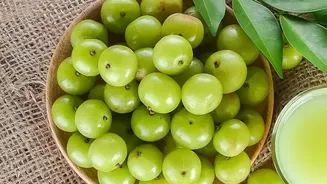
India is home to a spectacular array of tart and tangy fruits that are finding new life in modern kitchens. Take Jamun (Java Plum), for instance. Traditionally eaten raw with a sprinkle of salt, it's now being turned into vibrant compotes, refreshing raitas, and even chia puddings. Its astringent, slightly sweet flavour profile adds a unique twist. Similarly, Karonda (Bengal Currant), a sour berry once confined to pickles, is being used to make tangy chutneys and sauces that can cut through rich dishes. Even Starfruit (Kamrakh) is being seen in a new light. While its beautiful shape has always made it a great garnish, it is now being used as a souring agent in sautés, much like tamarind, and featured in refreshing salads and iced teas.
Rediscovering Heirloom Vegetables
The vegetable market is also seeing a quiet revolution, with a renewed focus on heirloom and indigenous varieties. Farmers and seed savers are working to bring back vegetables that were once common but have become rare. Think of the mookuthi avarai (clove bean), a vegetable fondly remembered in South India, or unique local varieties of eggplant like the Yerengere white long brinjal, once essential for specific dishes like vangi bath. These heirloom vegetables often possess more complex flavours and textures than their hybrid counterparts. Chefs are embracing these finds, using them to create dishes that are not only delicious but also tell a story of regional identity and agricultural heritage, fighting the 'steady decline in the variety of vegetables we eat'.
The Future of Indian Snacking
This trend is perhaps most visible in the world of snacks. While packaged snacks have often focused on a limited range of ingredients like potatoes and lentils, a new wave of brands is championing local produce. Crispy okra chips, crunchy banana and beetroot chips, and spiced jackfruit bites are appearing on store shelves and winning over consumers. These snacks feel both modern and authentic, offering a healthier and more interesting alternative to mass-produced options. They carry the story of their soil and spices in every bite, transforming humble, local ingredients into crave-worthy treats that reflect the true diversity of India's agricultural landscape.