




The Foundation: Keeping Supplies Dry
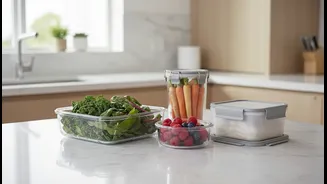
The number one enemy during the monsoon is moisture. High humidity, which can reach 80-90% in many parts of India, creates the perfect breeding ground for mould and accelerates spoilage. The most crucial first step is to transfer all dry goods from their
original paper or plastic bags into airtight containers immediately after purchase. Glass or stainless steel jars with tight-fitting lids are superior choices as they create a formidable barrier against moisture. For items especially prone to clumping, like salt, sugar, and spices, adding a few grains of uncooked rice to the container can act as a natural desiccant. Storing these containers in a cool, dark cabinet away from the stove and sink—areas with high steam and humidity—is also essential. For an extra layer of protection in cupboards, you can place natural moisture absorbers like camphor balls, small pouches of baking soda, or dried neem leaves to combat dampness and musty odours.
The System: Labelling Is a Game-Changer
An organised pantry is an efficient pantry. Once your supplies are securely stored, the next step is labelling. This simple act eliminates guesswork and is critical for managing your stock effectively. A good label should include two key pieces of information: the name of the item and the date of purchase or storage. This is especially important for items you transfer from their original packaging, like different types of dal, flour, or spices. Using waterproof markers or durable labels ensures the information doesn’t smudge or peel off in the humid conditions. Labelling helps you quickly identify what you need without opening multiple containers, which minimises the food’s exposure to humid air. More importantly, it provides the data you need for the final, crucial step in this system: rotation.
The Method: Mastering Food Rotation
Food rotation is the secret to minimising waste and ensuring you always use ingredients at their peak freshness. The most effective method is called 'FIFO,' which stands for First-In, First-Out. The principle is simple: use the oldest items before you open the newer ones. When you bring home new groceries, place them at the back of the shelf and move the older, already-labelled containers to the front. This systematic approach ensures that food doesn't get lost in the back of the pantry and expire. For items like whole grains, nuts, and oils, which have a shorter shelf life, this practice is particularly vital. Every few weeks, take a quick inventory of your pantry, checking the dates on your labels. This allows you to plan meals around items that need to be used sooner, saving you money and preventing the disappointment of discovering spoiled food.
Beyond Grains: Protecting Perishables and Pests
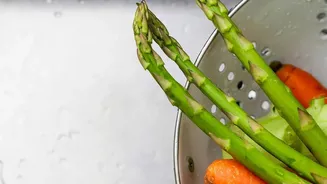
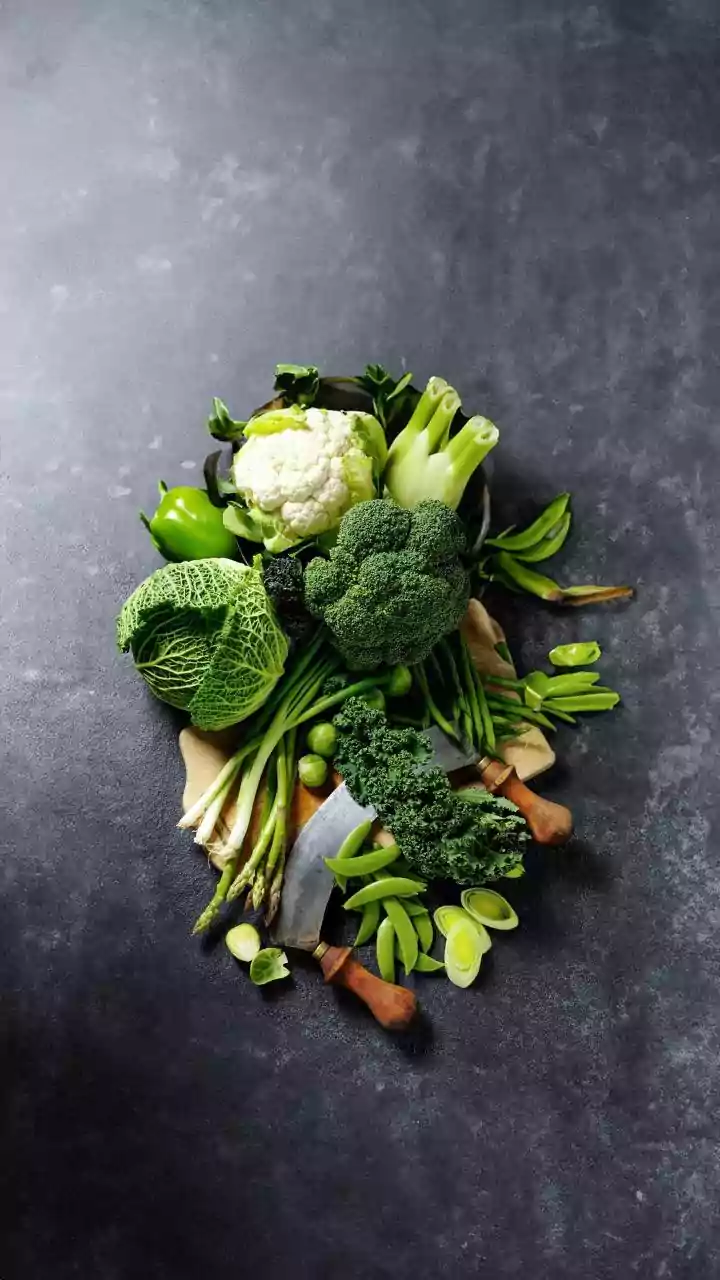
While dry goods are a primary concern, fruits and vegetables also require extra care during the monsoon. Leafy greens should be washed, thoroughly dried, and stored wrapped in paper towels inside the refrigerator to absorb excess moisture. It's also a good time to be extra vigilant about pests. Natural repellents can be surprisingly effective. Placing a few dried bay leaves or neem leaves inside your containers of rice and dal can help keep weevils away. Cloves are also a known deterrent for insects and can be placed in cupboards. Finally, keeping kitchen surfaces, especially countertops and under the sink, clean and dry is non-negotiable. Regular wipe-downs prevent the growth of mould and deny pests the damp environments they seek.