




The Cardio Question: Heart Health
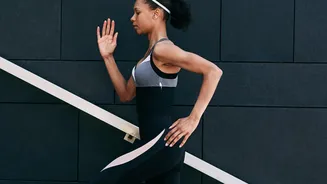
Both running and dancing are fantastic for cardiovascular health, but how they benefit your heart varies with intensity. Running allows for precise control over your effort. Easy-paced runs improve aerobic fitness and aid recovery, while tempo runs at
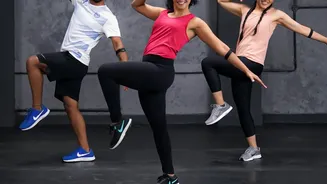
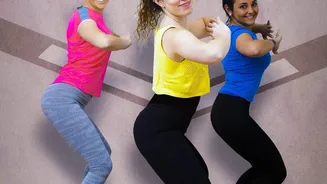
a 'comfortably hard' pace push your lactate threshold, making sustained effort feel easier over time. Interval training, which involves short bursts of high speed, is highly effective at improving your VO2 max—the rate your heart can pump oxygen to your muscles. This variety strengthens your entire cardiovascular system. Dancing, on the other hand, provides a more variable workout. A high-energy style like hip-hop, Zumba, or salsa will elevate your heart rate significantly, mimicking a traditional cardio session. Even slower forms like ballet or contemporary dance, with their focus on control and sustained movements, build endurance and improve lung capacity. The key is the style: a vigorous Zumba class is a powerful cardio workout, while a slow waltz is less demanding.
Calorie Burn: Intensity is Everything
When it comes to burning calories, the debate isn't simply 'running vs. dancing,' but 'intensity vs. intensity'. On average, running tends to burn more calories per minute than most forms of dancing due to its high-impact, continuous nature. For example, a 70kg person running at a moderate pace can burn roughly 350 calories in 30 minutes, whereas vigorous hip-hop might burn around 315 calories. Slower dance styles like ballroom would burn significantly less, around 105 calories in the same timeframe. However, some studies have found that certain dance styles, like street and swing, can burn more calories than running or swimming in the same period. The real-world difference often comes down to duration and enjoyment. While few people go for a 90-minute run on a weeknight, many will happily attend a 90-minute dance class, ultimately burning more total calories simply because the activity is more engaging and sustainable.
Muscle Engagement and Toning
Here, the two activities offer distinctly different benefits. Running is a phenomenal lower-body workout, building strength and definition primarily in the quadriceps, hamstrings, glutes, and calves. It's a repetitive, forward-motion exercise. Dancing, by its very nature, is a full-body workout. Different styles demand different things: ballet builds incredible leg and core strength through controlled positions; hip-hop involves explosive, full-body movements; and salsa requires fluid hip action and a stable core. This multi-directional movement improves flexibility, coordination, and can build lean muscle across the entire body in a more holistic way than running typically does.
Impact, Injury Risk, and Longevity
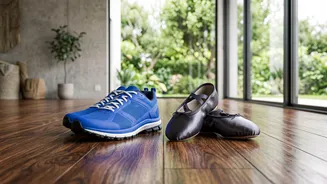
Running is a high-impact activity, which can be a double-edged sword. While the impact can strengthen bones and reduce the risk of osteoporosis, it also places significant stress on the joints, particularly the knees, hips, and ankles. Proper form and footwear are crucial to mitigate injury risk. Contrary to old beliefs, moderate running may actually be beneficial for knee health by reducing inflammation. Dancing offers a wider range of impact levels. High-intensity styles involve a lot of jumping, but many forms like ballroom, contemporary, or belly dancing are lower-impact and gentler on the joints. However, dance has its own injury risks, often related to overuse from repetitive movements, forcing turnout in ballet, or training on improper floors.
The Fun Factor: Which Will You Stick With?
This may be the most important factor of all. The best exercise is the one you do consistently. For many, running is a form of moving meditation—a solo activity to clear the head. For others, it can feel monotonous. Dancing often has a strong social and emotional component. Group classes build community, learning new choreography engages the brain, and the fusion of music and movement can be a powerful mood booster, reducing stress and anxiety more effectively for some people than other forms of exercise. Research has even credited dance with improving self-esteem and preventing dementia. If the thought of a run feels like a chore, but a dance class sounds like fun, you're far more likely to stick with the latter.