



What Exactly Is Freezer Burn?
Freezer burn occurs when frozen food is damaged by dehydration and oxidation. All food contains water, which freezes into ice crystals. Over time, these ice crystals can turn directly into water vapour—a process called sublimation—and escape from the food.
As moisture leaves, oxygen moves in, causing changes in colour, flavour, and texture. The result is those familiar greyish-brown, leathery spots on meat or shrivelled, dull-looking vegetables. While it looks unappetizing, the good news is that freezer-burned food is generally safe to eat; it's an issue of quality, not safety.
Your Number One Enemy Is Air
The primary cause of freezer burn is exposure to air. When food isn't sealed properly, the cold, dry air inside the freezer pulls moisture from the food's surface. The more air that is in contact with your food, the faster freezer burn will develop. Therefore, the secret to preventing it lies in creating an airtight barrier. This single principle guides every effective prevention technique, from how you wrap your food to the containers you choose.
Master the Art of Airtight Wrapping
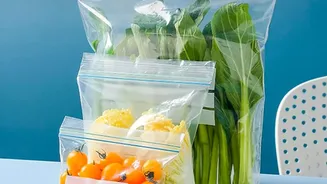
Proper wrapping is your first line of defence. For items like cuts of meat, wrapping them tightly in a material designed for freezing is crucial. Start with a layer of plastic wrap or freezer paper, ensuring the shiny side of the paper is against the food to lock in moisture. Press the wrapping firmly against the surface to push out all air pockets. For extra protection, add a second layer, such as heavy-duty aluminium foil or a zip-top freezer bag. When using bags, squeeze out as much air as possible before sealing. A clever trick is to close the bag almost all the way, insert a straw, suck out the remaining air, and then quickly seal the bag shut.
Cool Food Completely Before Freezing
Patience is a virtue, especially when freezing cooked leftovers or blanched vegetables. Placing hot or even warm food directly into the freezer is a recipe for disaster. The heat creates steam, which then condenses and freezes into large ice crystals on the food's surface and inside the container. These large ice crystals accelerate the process of sublimation, leading to faster freezer burn. Always let food cool to room temperature, and ideally chill it in the refrigerator first, before transferring it to the freezer. This small step helps food freeze faster and with smaller ice crystals, preserving its quality.
Maintain a Stable Freezer Environment
A consistent, cold temperature is key. Set your freezer to 0°F (-18°C) or lower; this ensures food freezes solid quickly and slows down the chemical reactions that degrade quality. Temperature fluctuations are a major contributor to freezer burn. Every time you open the freezer door, warmer air rushes in, which can cause partial thawing and refreezing on the surface of your food. Try to minimize how often and for how long you open the door. Keeping your freezer well-organized and at least two-thirds full helps it run more efficiently and maintain a stable temperature. A fuller freezer has less air to circulate, reducing temperature swings.
Don't Throw It Out: Salvaging Affected Food
Discovering freezer burn doesn't automatically mean a trip to the bin. Since it's a quality issue, not a safety one, you can often salvage the food. For meat, fish, or poultry, you can simply trim away the dry, discoloured spots before or after cooking. The remaining food is perfectly fine to use. If the texture has suffered, it's best to use the food in dishes where it won't be the star, such as hearty stews, soups, or stocks. A flavourful marinade or a slow-cooking method can also help rehydrate the meat and mask any slight off-flavours. For freezer-burned vegetables, rinsing off ice crystals and using them in a cooked dish is your best bet.