
Why Go Offbeat in the Monsoon?
When the rains arrive, most tourists flock to the usual suspects like Shimla and Manali. While beautiful, these destinations can become saturated, defeating the purpose of a peaceful mountain getaway. The monsoon, however, transforms Himachal's lesser-known
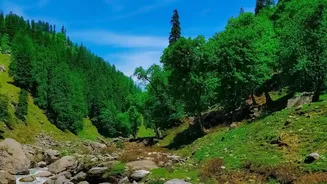
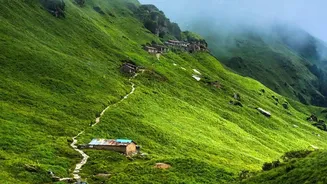
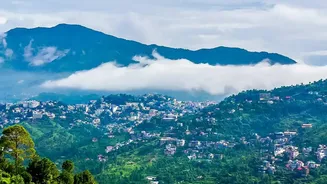
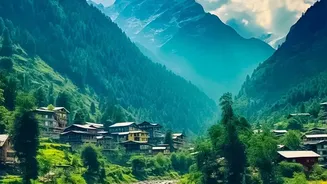
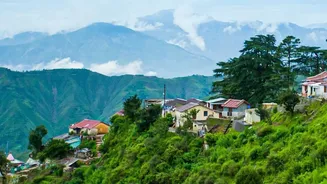
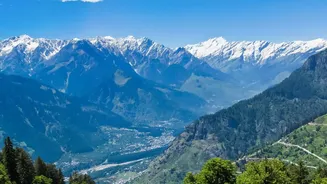
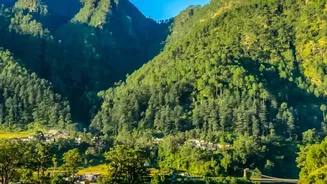
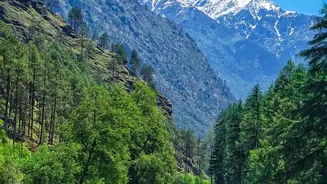
corners into lush, emerald paradises. This is the time when waterfalls are at their most majestic, valleys are swathed in mist, and the scent of wet pine fills the air. Choosing an offbeat location like Tirthan Valley or Shoja means experiencing this magic without the queues and noise. It’s a chance to see the mountains breathe, listen to the rhythm of the rain, and find a solitude that is increasingly rare.
Tirthan Valley: A Riverside Haven
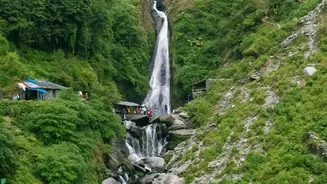
Tirthan Valley, the gateway to the Great Himalayan National Park (a UNESCO World Heritage Site), is a destination built around the pristine Tirthan River. During the monsoon, the river is a powerful, life-giving force, and its sound becomes the constant, meditative soundtrack to your stay. The valley remains less commercialised, prioritising charming homestays and eco-friendly guesthouses over large hotels. This fosters a slower, more intimate connection with nature. Days here can be spent trout fishing (catch and release is encouraged), taking short walks through dense forests when the rain pauses, or simply sitting by a window with a book, watching the clouds drift over the water. The popular hike to Chhoie Waterfall is particularly rewarding in the monsoon when the cascade is full and vibrant.
Shoja: A Hamlet in the Clouds
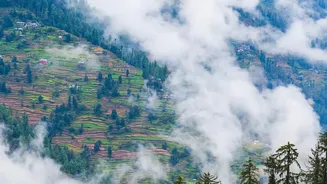
A short, scenic drive from the main valley, Shoja is a tiny, quiet village that feels like a step back in time. At a higher altitude, it’s often wrapped in a blanket of mist during the monsoon, creating a mystical and romantic atmosphere. Shoja is the perfect base for those who love serene viewpoints and moody, atmospheric landscapes. It’s quieter even than Tirthan, offering a true sense of seclusion. The village is close to Jalori Pass, a high-altitude pass connecting the Kullu and Shimla regions. While the trek to Serolsar Lake from the pass might be tricky depending on rainfall, the drive to the pass itself offers breathtaking views of the cloud-filled valleys below. It's a place for quiet contemplation and appreciating the raw beauty of the Himalayas.
Unplug and Reconnect: The Homestay Experience
The true soul of this region lies in its homestays. These family-run establishments offer more than just a place to sleep; they are an invitation into the local way of life. Expect warm hospitality, delicious home-cooked Himachali meals like Siddu and Madra, and conversations that offer a genuine glimpse into the culture of the Seraj region. Network connectivity can be weak in these parts, which, instead of being a drawback, becomes the main attraction. It’s an enforced digital detox that encourages you to reconnect with your surroundings, your travel companions, and yourself. Spend evenings by a bonfire, listening to the river and gazing at the stars when the sky clears.
Planning Your Monsoon Trip: Travel and Safety
Travelling to the Himalayas during the monsoon requires caution. Landslides and road closures can happen, so it's vital to stay flexible and informed. The journey from Delhi or Chandigarh involves taking a Manali-bound bus and getting off at Aut. From Aut, local taxis or buses will take you into Tirthan Valley (around 30-35 km). Always check weather forecasts and road conditions before you travel and during your stay. It’s wise to avoid driving on mountain roads at night. Pack waterproof jackets, sturdy non-slip shoes, and warm layers, as evenings can be chilly. Carry sufficient cash, as ATMs in the area can be unreliable. While the risks are real, travelling smart allows you to witness a side of Himachal that few get to see.