



Understanding the Blood Sugar Balance
When you eat carbohydrates, like those found in poha, upma, or idli, your body breaks them down into glucose, which enters your bloodstream. This causes your blood sugar to rise. In response, your pancreas releases insulin to help move that glucose into your cells
for energy. A sharp, quick rise in glucose can lead to a subsequent crash, leaving you feeling tired and hungry soon after. The key to stable energy is slowing down this process. Foods rich in fibre, healthy fats, and protein delay digestion and the absorption of glucose, leading to a more gradual increase and decrease in blood sugar levels. This is where seeds come in, offering a powerful combination of these three essential nutrients.
1. Flax Seeds: The Fibre Powerhouse
Flax seeds, or 'alsi', are celebrated for their high content of soluble fibre and alpha-linolenic acid (ALA), a plant-based omega-3 fatty acid. This fibre forms a gel-like substance in the digestive tract, which slows down the absorption of sugars and helps prevent sudden glucose spikes. For maximum benefit, it's best to consume flax seeds ground, as the whole seeds can pass through the body undigested. A spoonful of ground flaxseed can be easily mixed into roti or paratha dough, stirred into dalia, or blended into a lassi without significantly altering the taste.
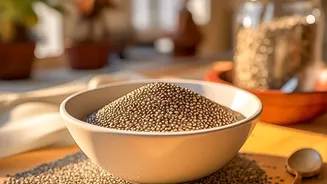
2. Chia Seeds: The Hydration Hero
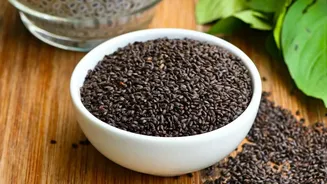
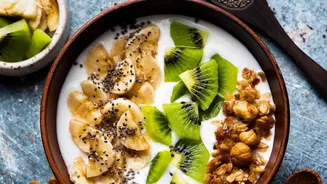
Similar to flax, chia seeds are packed with soluble fibre and omega-3s. When soaked, they absorb liquid and form a gel, which slows digestion and promotes a feeling of fullness. This gradual digestion helps maintain steadier blood sugar levels after a meal. Their low glycemic index means they have a minimal impact on blood glucose on their own. Sprinkle soaked chia seeds over a bowl of fruit and curd, stir them into upma just before serving, or blend them into dosa batter for a nutritional boost.
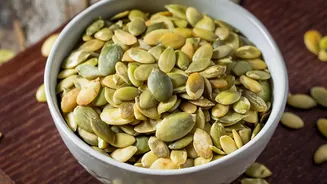
3. Pumpkin Seeds: The Magnesium Marvel
Pumpkin seeds are an excellent source of magnesium, a mineral that plays a crucial role in over 600 chemical reactions in the body, including regulating blood sugar levels and insulin function. Studies suggest that adequate magnesium intake is linked to a lower risk of type 2 diabetes. These seeds also provide a healthy dose of fibre, protein, and healthy fats. Try sprinkling roasted, unsalted pumpkin seeds over poha for a delightful crunch, blending them into a chutney to serve with idli, or mixing them into a savoury raita.
4. Sunflower Seeds: The Vitamin E Champion
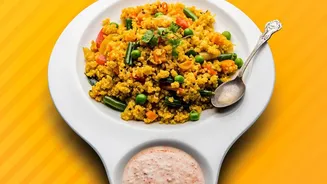
Sunflower seeds are rich in vitamin E, a powerful antioxidant, and contain beneficial plant compounds like chlorogenic acid, which may help in managing glucose levels. Like other seeds, their combination of protein, fibre, and healthy fats helps slow down carbohydrate absorption, preventing sharp blood sugar spikes. They have a mild, nutty flavour that makes them a versatile addition to many dishes. Add a spoonful of roasted sunflower seeds to your upma, sprinkle them over curd rice, or use them as a topping for a vegetable sabzi served alongside your breakfast.
5. Sesame Seeds: The Traditional Treasure
Sesame seeds, or 'til', have a long history in Indian cuisine and are a great source of protein, healthy fats, and minerals like calcium and magnesium. Research suggests that compounds in sesame seeds, such as lignans, may contribute to better glycemic control by improving insulin secretion and reducing insulin resistance. A meta-analysis of several studies found that sesame consumption was associated with significant reductions in fasting blood sugar and HbA1c in people with type 2 diabetes. Use them to make a traditional podi to eat with idli or dosa, add them to ladoos, or incorporate them into the tadka for dishes like sabudana khichdi.