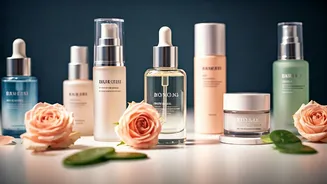







The Rise from Niche to Mainstream
Just a few years ago, acquiring authentic Korean beauty products meant navigating international shipping or relying on friends travelling abroad. Now, dedicated K-beauty sections are prominent fixtures on major Indian e-commerce platforms like Nykaa,
Tira, and Myntra. Brands such as COSRX, Innisfree, Laneige, and Klairs are household names for a growing number of Indian consumers. This transition from a cult following to mass-market availability didn't happen by accident. It's the result of a deliberate push by Korean brands into the Indian market, coupled with a massive surge in local demand. Retailers have reported triple-digit growth in their K-beauty categories, a clear sign that the Indian consumer's appetite for these products is only increasing.
The 'Hallyu' Wave's Cultural Push
You cannot discuss the K-beauty phenomenon without acknowledging the power of 'Hallyu', or the Korean Wave. The global explosion of K-pop (BTS, Blackpink) and K-dramas ('Crash Landing on You', 'Squid Game') has created a powerful cultural current. Indian audiences, captivated by the flawless, luminous complexions of their favourite idols and actors, naturally became curious about the products behind that 'glass skin' look. When a beloved character uses a specific lip tint or a K-pop star reveals their skincare routine, it creates an instant, authentic endorsement that traditional advertising struggles to replicate. This cultural export has served as the most effective marketing campaign for K-beauty, creating aspiration and demand on a massive scale.
Innovation in a Bottle
Beyond the cultural hype, K-beauty products deliver on their promises, thanks to a relentless focus on research and development. Korean cosmetic companies are known for their cutting-edge formulations and pioneering use of unique, effective ingredients. Think snail mucin for repair and hydration, cica (Centella Asiatica) for calming inflammation, propolis for its antibacterial properties, and fermented ingredients for better absorption. This focus on gentle yet potent ingredients stands in contrast to some Western approaches that can rely on harsher actives. The textures are another key differentiator—lightweight essences, hydrating toners, and non-greasy sunscreens are perfect for India’s often hot and humid climate, providing efficacy without feeling heavy on the skin.
A Ritual of Self-Care
Korean beauty champions a different philosophy. It frames skincare not as a chore to fix problems, but as a pleasurable daily ritual of self-care and prevention. The famous '10-step routine' is often misunderstood as a rigid requirement; in reality, it's a flexible framework that encourages consumers to listen to their skin and layer products as needed. This approach—focused on hydration, protection, and gentle nourishment—has resonated deeply with a new generation of consumers who are moving away from quick fixes and embracing a more holistic, mindful approach to their well-being. It’s about the journey of nurturing your skin, not just the destination.
A Perfect Match for Indian Skin
One of the biggest reasons for K-beauty’s success in India is its suitability for Indian skin concerns. Many products are formulated to tackle issues like hyperpigmentation, dehydration, and environmental damage—all common concerns in the subcontinent. The emphasis on brightening ingredients and powerful sun protection is particularly relevant. Unlike some Western products that might not be tested on a diverse range of skin tones, the lightweight, non-comedogenic formulations of many K-beauty products work well for oily and combination skin types prevalent in India. This excellent product-market fit has made the adoption of K-beauty seamless and highly effective for millions.