



The Cold-Pressed Difference
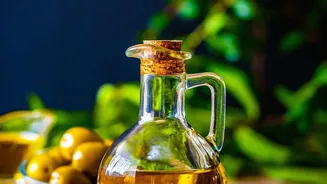
Before we dive into specific regions, what does 'cold-pressed' even mean? Unlike modern refined oils that use high heat and chemical solvents, cold-pressing is a mechanical process. Seeds or nuts are simply crushed under pressure at low temperatures to extract
the oil. This gentle method ensures the oil retains its natural nutrients, antioxidants, and, most importantly, its distinct flavour and aroma. Refined oils are processed to be neutral and have a long shelf life, but this strips them of the very character that makes traditional oils so special. Cold-pressed oils are not just a healthier choice; they are an active, flavour-enhancing ingredient.
Mustard Oil: The Pungent Powerhouse
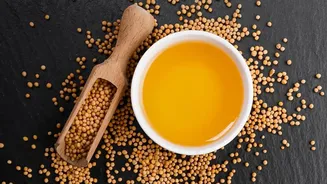
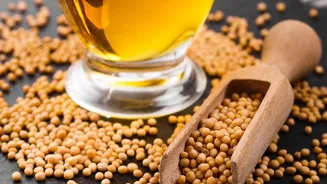
Step into a traditional Bengali, Bihari, or Punjabi kitchen, and you'll be greeted by the sharp, pungent aroma of mustard oil, or sarson ka tel. This oil is the soul of Eastern and Northern Indian cooking. Its assertive, spicy character is indispensable in dishes like Bengal's famous shorshe ilish (Hilsa fish in mustard gravy) and aloo posto (potatoes in poppy seed paste). In Punjab, it forms the flavour base for the winter classic sarson ka saag. The key to its magic lies in a compound called allyl isothiocyanate, which gives mustard its signature heat. This potent flavour doesn't just add a kick; it also acts as a natural preservative, which is why it's the preferred oil for making pickles (achaar) across India.
Sesame Oil: The Nutty Elixir of the South
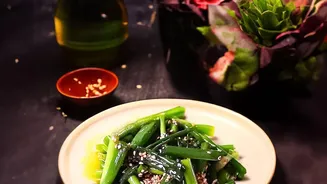
Travel south, and the culinary landscape shifts to the deep, nutty notes of sesame oil, known as nalla ennai ('good oil') in Tamil Nadu. A cornerstone of South Indian cuisine, it’s used for tempering spices (tadka), enriching rice dishes like ellu sadham (sesame rice), and as a flavourful drizzle over idlis and dosas. Unlike the pungent kick of mustard oil, sesame oil offers a rich, earthy flavour that complements tangy and spicy notes. It has a high smoke point, making it ideal for the quick, high-heat tempering that forms the basis of so many dishes, from sambar to rasam. Its use isn't just culinary; sesame oil is deeply integrated into Ayurvedic traditions for its perceived wellness properties.
Groundnut Oil: The Versatile Western Staple
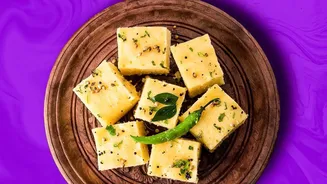
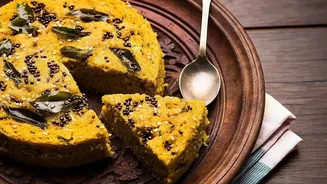
In the western states of Gujarat and Maharashtra, groundnut (or peanut) oil reigns supreme. Its appeal lies in its versatility. With a relatively high smoke point and a mild, nutty flavour, it’s the perfect all-rounder for a cuisine that balances sweet, sour, and savoury tastes. It's the go-to oil for frying crispy snacks like fafda, gathiya, and batata vada, ensuring a golden, non-greasy finish. In everyday cooking, it serves as a stable, neutral base for vegetable stir-fries (shaak) and lentil preparations (dal), allowing the spices to shine without being overpowered. The subtle nuttiness of groundnut oil beautifully complements the frequent use of peanuts and sesame seeds in the region's cooking, creating a harmonious flavour profile that is distinctly Western Indian.