


Myth 1: 'High Protein' Means It's Healthy
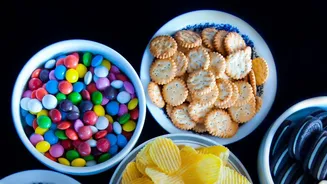
Seeing "High Protein" on a packet of biscuits or chips feels like a win. But this claim, governed by the Food Safety and Standards Authority of India (FSSAI), can be misleading. For a solid food to be labelled "high protein," it must contain at least
12 grams of protein per 100 grams. While this sounds good, it doesn't tell the whole story. Many of these products are also packed with refined flour, sugar, sodium, and unhealthy fats, which can negate the benefits of the extra protein. This is known as the 'health halo' effect, where a positive claim for one nutrient makes us overlook other, less healthy aspects of the food. A 'high-protein' cookie is often still a cookie, not a health food.
Myth 2: More Protein Is Always Better
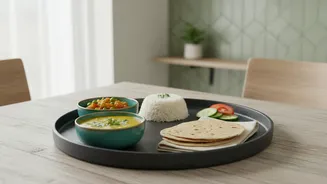
The marketing push for protein has many people believing they need to pack as much as possible into their diet. The truth is, most people can meet their daily protein needs through a balanced diet of whole foods. The Indian Council of Medical Research (ICMR) suggests a daily protein intake of 0.8 to 1 gram per kilogram of body weight for the average adult. So, a 60kg person needs around 48-60 grams of protein daily. This is easily achievable with foods like dal, paneer, eggs, chicken, and legumes. While athletes or very active individuals may need more, for most of us, these fortified snacks often provide unnecessary, and sometimes lower quality, protein at a higher cost.
Myth 3: All Protein Sources Are Created Equal
The source and quality of protein matter immensely. Packaged foods often use processed protein isolates like soy, pea, or wheat protein. While some, like soy protein isolate, are good quality, others like wheat protein are less digestible and lack a complete amino acid profile. In contrast, whole food sources like dairy, eggs, and chicken offer highly digestible, complete proteins. Combining cereals and pulses, a cornerstone of traditional Indian diets, also creates a complete protein profile. An isolated protein stripped of its natural food matrix also lacks the fibre, vitamins, and minerals that come with whole foods.
Myth 4: The Front Label Tells You Everything
The front of the package is marketing real estate, designed to sell a product. The real story is on the back, in the nutrition information panel and the ingredients list. When reading a label, always check the serving size first; it's often much smaller than what a person typically consumes. Next, check the ingredients list. Ingredients are listed in descending order by weight, so if sugar, palm oil, or refined wheat flour (maida) are at the top, it's a red flag. Finally, compare the protein content to the sugar and sodium levels. A truly healthy snack should be high in protein and fibre, but low in sugar and sodium.