

The Pressure of the 'Shelfie'
There’s a subtle pressure that comes with a blank shelf. It feels like an empty stage demanding a performance. In the age of the 'shelfie'—perfectly styled bookcases shared on social media—that pressure has intensified. We see impossibly pristine arrangements
of colour-coded books, quirky objects, and trailing plants, and we feel a need to replicate it. This can lead to a kind of design paralysis, where the goal becomes presenting a flawless version of ourselves. Research shows that this constant self-presentation can be linked to anxiety and a dip in self-esteem, as we tie our worth to the 'likes' and approval of others. The shelf becomes less about personal joy and more about public performance. We feel compelled to display every souvenir, every gifted mug, and every book we’ve ever owned, as if they are all required to prove we have lived a full and interesting life.
Curation Is an Act of Storytelling
To curate a space is to choose items with thoughtfulness and intention. It’s not about having the most stuff or the most expensive stuff; it's about selecting pieces that resonate with you personally and arranging them to tell a story. Think of your home not as a warehouse for your past, but as a library. A warehouse is for storage, holding everything indiscriminately. A library, however, is a curated collection. It selects, organises, and presents stories in a way that is engaging and meaningful. Maximalists understand this well; their style is not about hoarding, but about filling a home with stories and personal meaning. Each object is chosen because it contributes to a larger narrative. Adopting this mindset transforms decorating from a chore into a creative act of self-expression.
How to Edit Your Narrative
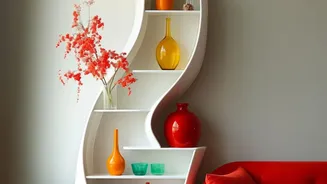
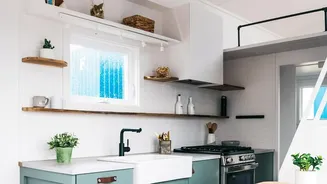
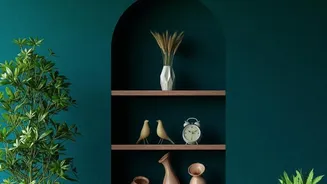
So where do you begin? The first step is often the hardest: edit. Start by clearing your shelves completely. Then, 'shop your home,' gathering items that you truly love. Don’t think about what you should display. Instead, surround yourself only with objects that make you feel something. As you begin placing items back, focus on creating visual interest through variety and balance. Mix vertical stacks of books with horizontal ones to create rhythm. Group objects in odd numbers, like threes or fives, which is often more visually appealing. Use objects of different heights and textures to create depth and contrast. A tall vase, a short stack of books, and a small, sculptural object can create a beautiful vignette. And most importantly, leave some empty space. This 'negative space' allows your chosen items to breathe and gives the eye a place to rest, making the display feel intentional rather than cluttered.
The Story You Tell Today
The beauty of a curated shelf is that the story can change. What felt important to you five years ago might not be the narrative you want to highlight today. Perhaps one shelf tells the story of your travels, featuring a small sculpture, a framed postcard, and a book about a place you loved. Another might be a tribute to your family, with a mix of old and new photos. These displays aren't static; they are living parts of your home. Don't be afraid to rearrange things, swap items out seasonally, or create a whole new display when you feel a creative reset is needed. Your home should reflect who you are now. By focusing on a single, curated story per shelf, you give yourself the freedom to evolve.
What About the Rest?
Deciding not to display an object doesn't diminish its value. Our most cherished possessions—the ones tied to deep memories—don't need to be on public view to be meaningful. This is where memory boxes, photo albums, and digital archives come in. Your grandfather's watch or your child's first drawing can be kept safely in a beautiful box, ready to be looked at whenever you want to connect with that memory. Not every piece of your history needs to be performed for guests. In fact, there is a deep sense of peace in knowing that your home is a comfortable, functional space for living, not just a gallery of your past achievements and relationships. The items on display are just the introduction; the rest of the story is yours to live.