






What Exactly Is the Heat Index?
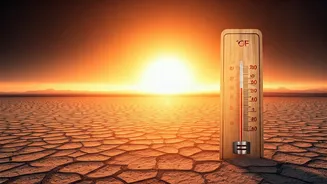
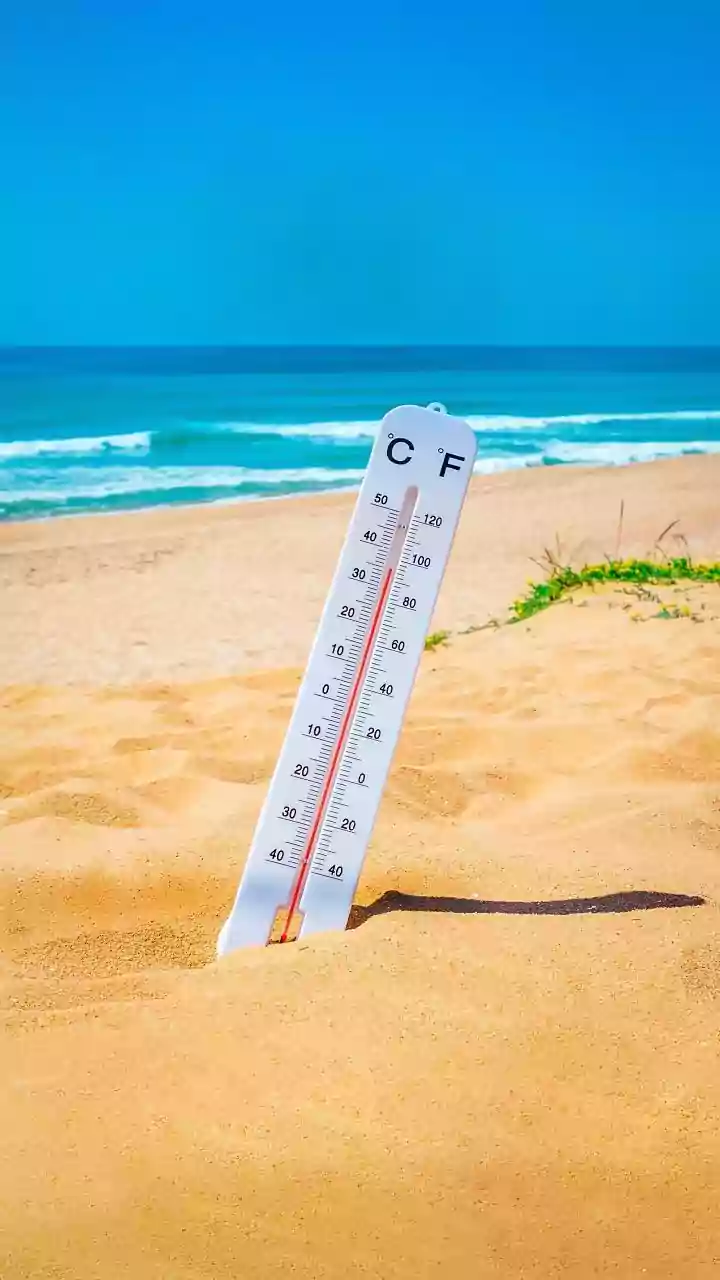
Think of the heat index as the 'feels like' temperature. It’s a measure that combines the actual air temperature with relative humidity to give you a much more accurate idea of how hot it really feels to the human body. For example, an air temperature of 35°C
with a relative humidity of 70% can feel like a staggering 51°C. This number isn't just about comfort; it's a critical indicator of potential health risks. The India Meteorological Department (IMD) has started issuing experimental heat index bulletins, acknowledging its growing importance for public health and safety.
The Science of Sweat and Stickiness
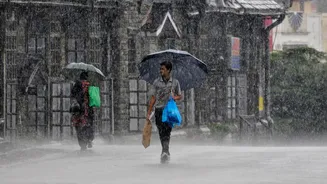
So, why does humidity make such a dramatic difference? It all comes down to how your body cools itself. When you get hot, you sweat. The evaporation of that sweat from your skin is a natural cooling process. But when the air is already saturated with moisture (high humidity), your sweat can't evaporate efficiently. The cooling process slows down dramatically, trapping heat and making your body work much harder to maintain a stable internal temperature. This is why a dry 42°C in May can feel more manageable than a humid 38°C during the monsoon season.
Why Is Everyone Talking About It Now?
The heat index is getting more attention because brutally humid heat is becoming more common and intense in India. Climate change is leading to not only higher temperatures but also a surge in humidity, as warmer air can hold more moisture. Recent data shows a significant increase in dangerously humid days across the country. In Delhi, for instance, the 'feels like' temperature recently crossed 50°C, even when the air temperature was lower, creating unbearable conditions. This combination is particularly dangerous because warm nights, which are also on the rise, prevent our bodies from getting a chance to cool down and recover, compounding heat stress day after day.
The Real Dangers of 'Feels Like'
Ignoring a high heat index can be dangerous. When your body can't cool itself effectively, you're at risk for a range of heat-related illnesses. These start with fatigue and heat cramps but can quickly escalate to heat exhaustion, characterized by dizziness, nausea, and headaches. The most severe condition is heatstroke, a medical emergency where the body's temperature-regulating system fails, which can be fatal. Vulnerable populations, including the elderly, young children, and outdoor workers, are at an especially high risk. The increased strain on the heart to pump blood and cool the body also raises cardiovascular risks.
How to Stay Safe When It's Sizzling
When you see a high heat index warning from the IMD, take it seriously. The most important advice is to stay hydrated by drinking plenty of water, even before you feel thirsty. Avoid strenuous outdoor activity during the hottest parts of the day, typically between noon and 4 p.m. If you must be outside, take frequent breaks in the shade. Wear lightweight, loose-fitting, and light-coloured cotton clothes that allow air to circulate. At home, use what you can to stay cool, whether it's an air conditioner, a cooler, or even just wet cloths. And keep an eye on those who are most vulnerable around you.