





The Great Green Makeover
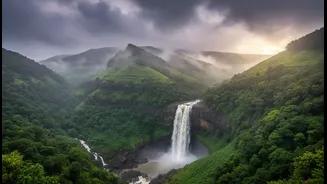
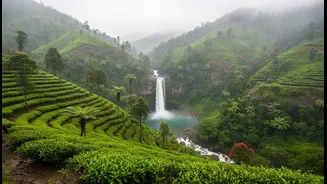
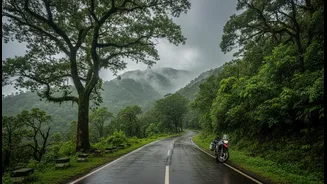
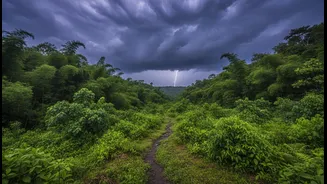
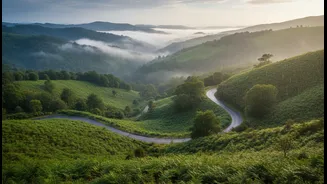
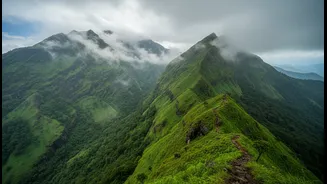
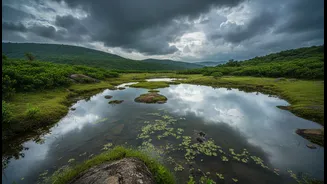
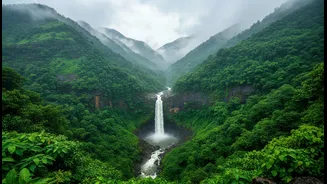
The arrival of the monsoon marks the most dramatic shift in the Western Ghats' calendar. Within weeks, the dusty browns and pale yellows of the dry season are washed away, replaced by a seemingly infinite palette of greens. This UNESCO World Heritage
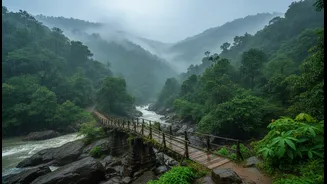
Site, a mountain range older than the Himalayas, sheds its dormant skin and cloaks itself in a vibrant, living carpet. The air grows heavy with moisture, and a cool mist frequently descends upon the hills, shrouding valleys and peaks in a mysterious veil. This seasonal rebirth turns popular hill stations like Mahabaleshwar, Coorg, and Munnar into serene, misty wonderlands, drawing visitors who seek to witness nature's grand revival firsthand. It’s a sensory overload in the best possible way—the scent of wet earth, the sight of fresh foliage, and the constant, soothing sound of falling rain.
A Symphony of Water
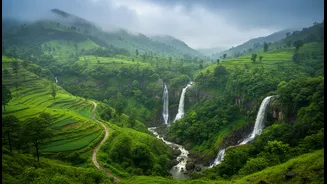
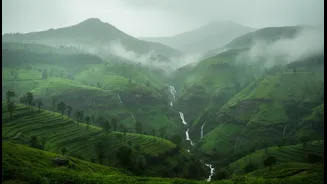
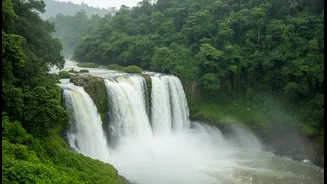
The monsoon is synonymous with water, and nowhere is this more apparent than in the Ghats. Dormant streams awaken, rivers swell, and cliffs that were bare just weeks before become conduits for roaring waterfalls. Destinations like Agumbe in Karnataka, often called the 'Cherrapunji of the South', become a trekker's paradise with numerous falls like Barkana and Jogigundi coming to life. Similarly, Malshej Ghat in Maharashtra becomes famous for its countless waterfalls that cascade directly over the roads, creating a unique and immersive driving experience. Further south, the spectacular Dudhsagar Falls in Goa, bordering Karnataka, reaches its most powerful and breathtaking form during the rains, drawing crowds who come to witness its milky, thunderous descent. This celebration of water is a core part of the monsoon experience in the Ghats.
The Forest Floor Comes Alive
While the grand landscapes are stunning, some of the monsoon's greatest wonders are found in the details. As night falls in the dense, damp forests of regions like Goa's Mhadei Wildlife Sanctuary or Maharashtra's Bhimashankar reserve, a quiet magic unfolds. Bioluminescent fungi of the Mycena genus begin to emit a soft, ethereal green glow from decaying logs and leaf litter, a phenomenon often called 'foxfire'. This cold light, created by a chemical reaction, turns the forest floor into an alien, enchanting landscape. This is also the time when the region's rich amphibian life makes its presence known. Guided 'frog walks' are becoming popular in places like Amboli and Agumbe, where enthusiasts can spot and identify rare endemic species like the Malabar Gliding Frog by their distinct calls.
A Carpet of Wildflowers
Towards the end of the monsoon, from late August to early October, another spectacular event takes place on a high-altitude plateau in Maharashtra. The Kaas Plateau, or Kaas Pathar, transforms into a 'Valley of Flowers'. This biodiversity hotspot bursts into a riot of colour as over 850 species of flowering plants bloom simultaneously, creating a vast, vibrant carpet across the landscape. The bloom includes rare orchids and insectivorous plants like Drosera indica. Recognized as a UNESCO World Heritage site, Kaas offers a breathtaking, albeit short-lived, spectacle that depends heavily on the monsoon's timing and intensity, reminding visitors of the delicate and precise balance of this ecosystem.
Travel with Responsibility
Visiting the Western Ghats during the monsoon is an unforgettable experience, but it also comes with a responsibility. The rains can make roads treacherous, and popular spots can become crowded. A growing movement towards eco-tourism encourages travellers to engage more deeply and responsibly. This means choosing local guides, staying in eco-friendly homestays, and being mindful of the fragile ecosystems you are visiting. Simple acts like not leaving litter, avoiding loud music, and not using flash photography during nocturnal walks can make a significant difference. The monsoon reveals the Ghats at their most powerful and vulnerable; enjoying their beauty means helping to preserve it for seasons to come.