




The Search for Authenticity
There's a growing desire to fill our homes with objects that tell a story. After years of factory-made perfection, many consumers are now looking for uniqueness and a human touch. This search for authenticity is leading them away from generic decor and towards
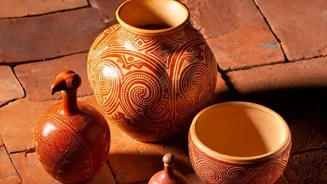
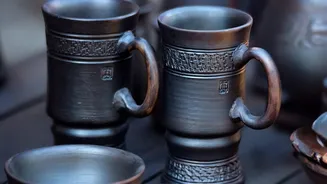
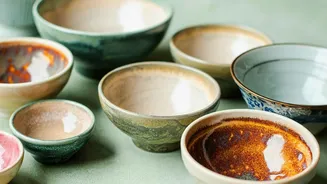
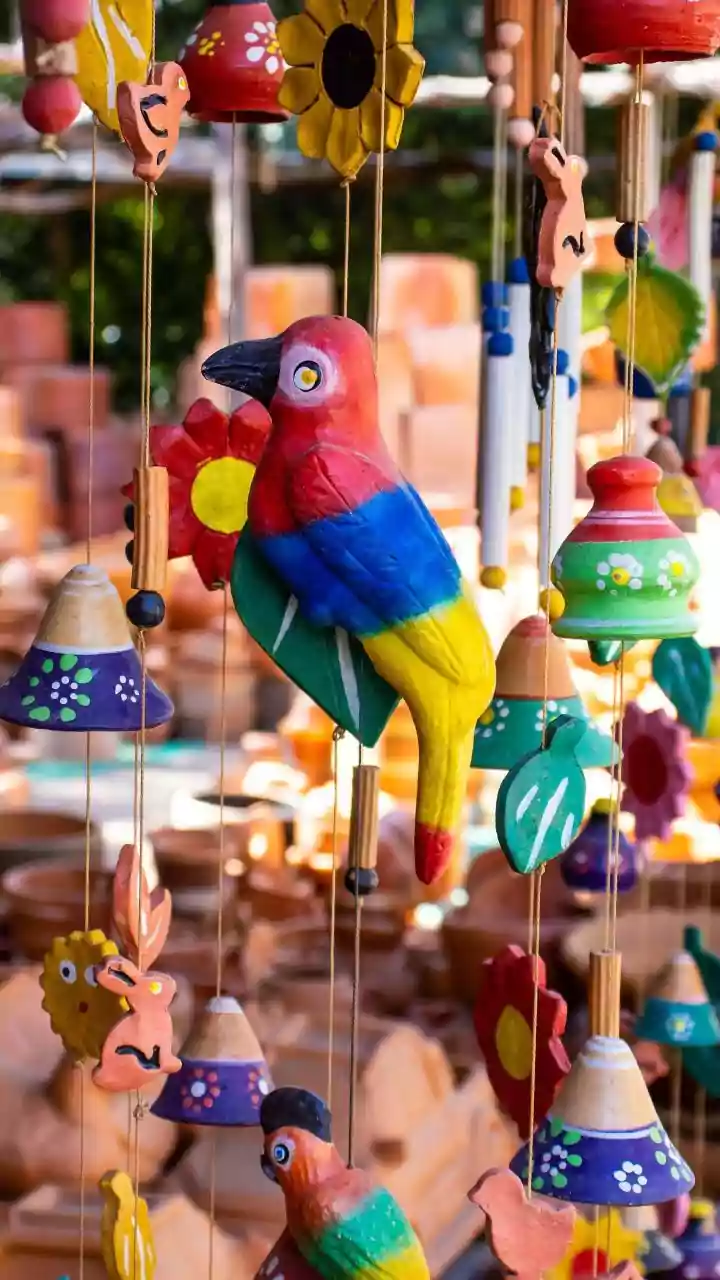
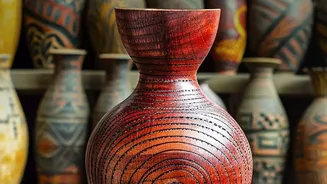
handcrafted items. Handmade clay pieces, with their earthy textures and subtle imperfections, offer a direct antidote to the impersonal nature of mass production. Each item, whether a simple diya, a vase, or a wall hanging, is one-of-a-kind. This trend reflects a larger cultural movement toward mindful consumption, where the story behind a product—who made it and how—is just as important as the object itself.
A Story in Every Piece
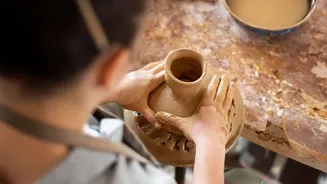
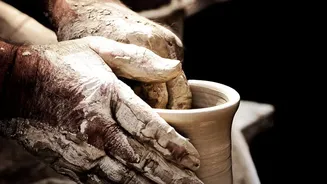
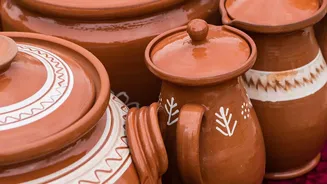
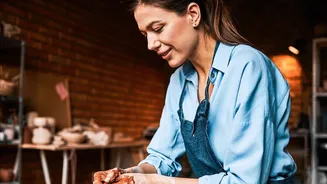
Behind every handmade clay decoration is an artisan whose skills have often been passed down through generations. The process is intimate and tactile. It begins with raw earth, which is kneaded, shaped by hand or on a wheel, and then patiently fired in a kiln. This transformation of 'baked earth', or terracotta, is one of India's oldest art forms, dating back thousands of years to the Indus Valley Civilization. Unlike work that requires expensive materials and royal patronage, clay craft has always been the art of the people. When you hold a piece of handmade pottery, you are holding the end result of this ancient tradition and the imprint of the maker's hands. It's a tangible connection to a person and their heritage.
More Than Just an Object
In India, clay, or 'mitti', holds deep cultural and spiritual significance. It is considered a sacred element, embodying a connection to the earth. This reverence is visible during festivals like Diwali, when millions of homes are lit with hand-painted clay diyas that symbolize the triumph of light over darkness. But the use of clay extends far beyond festive occasions. From 'kulhads' that enhance the flavour of chai to 'matkas' that naturally cool water, terracotta is woven into the fabric of daily life. By choosing these items, consumers are not just decorating their homes; they are participating in cultural rituals and embracing objects that carry deep, intrinsic meaning. This modern revival sees artisans blending traditional techniques with contemporary designs, creating pieces that feel both timeless and fresh.
Bridging the Urban-Rural Divide
The growing demand for handmade crafts has a profound economic impact, creating a vital bridge between urban consumers and rural artisans. Purchasing directly from craftspeople or through fair-trade platforms ensures that artisans receive fair compensation for their skill and labour. This support provides a sustainable livelihood, empowers local communities, and helps prevent the disappearance of generational skills that are threatened by industrialization. Platforms like social media and dedicated e-commerce sites have become crucial in this exchange, allowing artisans to showcase their work, share their process, and connect with a global audience. This direct line of communication fosters transparency and a deeper appreciation for the value of the craft, turning a simple purchase into an act of support for local economies.