




The Quest for the Perfect Finish
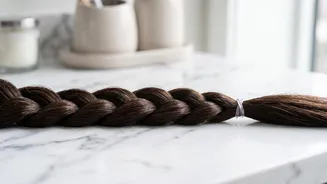
You've spent hours installing the perfect set of box braids or twists, and the last thing you want is for them to start looking messy after just a few days. The ends of braids are particularly vulnerable to fraying and coming undone. A secure finish not
only keeps the individual braids intact but also contributes to the overall neatness and longevity of the protective style. An unsecured end can catch on clothing, lead to tangles, and quickly unravel, forcing premature touch-ups. This is why the method you choose to seal your braids is one of the most important steps in the entire process. It’s the final touch that locks in your hard work and ensures your style remains sleek and tidy for weeks to come.
Why Clear Elastics Are a Top Choice
Among the many methods for finishing braids, small, clear elastic bands are a persistent favourite for several reasons. Their primary benefit is their discreet appearance. Unlike colourful or black bands that can disrupt the flow of the hairstyle, clear elastics are virtually invisible, creating a seamless and natural-looking finish. They provide a strong, reliable hold that effectively prevents synthetic extension fibers from unraveling. These poly-based bands are designed to be stretchy yet gentle, reducing the immediate snagging associated with traditional rubber bands. They are also inexpensive and widely available, making them an accessible option for both professional stylists and at-home braiders.
The Right Way to Use Them
Technique is everything when it comes to using elastics without causing stress to your hair. The goal is to create a secure hold with minimal tension. When you reach the end of a braid, hold the tip firmly. Take a clear elastic and wrap it around the end just enough times to feel secure—often two or three loops are sufficient. Over-tightening the band can create a point of tension that may lead to breakage. It's also wise to ensure the hair is smooth before applying the band to prevent other strands from getting caught. For a super secure finish, some stylists recommend using two elastics, but be mindful not to create unnecessary bulk or tightness.
Avoiding Potential Damage
The main concern with any elastic is the potential for hair damage. Traditional rubber bands are notorious for causing breakage because their texture creates friction and they can cut into the hair shaft. While modern clear poly-bands are gentler, they can still cause issues if used improperly. Dry, brittle hair is more susceptible to friction damage, so ensuring your hair and the extensions are well-moisturized can help. The biggest risk comes during removal. Never try to pull or slide the elastics off, as this will almost certainly snag and break hair. The safest method is to carefully snip the elastic with a small pair of scissors or a dedicated elastic-cutting tool, which is designed to slide under the band and cut it without touching the hair. Also, never reuse elastics; they lose their integrity after one use and are more likely to snap or damage hair on the second go.
Exploring Other Finishing Methods
While clear elastics are effective, they are not the only option. For synthetic braiding hair, dipping the ends in hot water is a very popular and permanent way to seal the fibers, creating a smooth, feathery finish. This method fuses the synthetic strands together, making it impossible for them to unravel. Another alternative involves burning the ends with a lighter, though this method is hazardous and requires extreme caution. For a non-heat approach, you can use decorative beads or cuffs, which add style while holding the ends in place. Some people also use a small amount of hair wax, gel, or even nail glue to bind the tips of the braids, though glue can be difficult to remove. For a completely natural finish, you can also tie a small, discreet slipknot at the end of the braid.