



A Sweet Farewell to Bappa
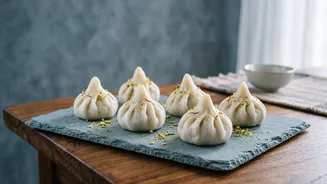
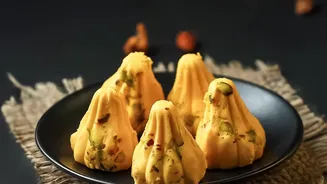
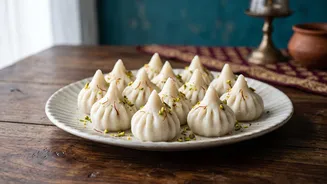
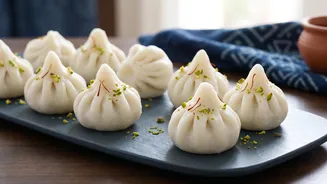
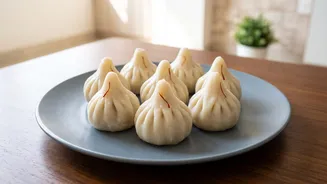
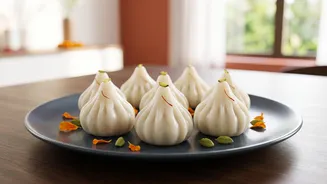
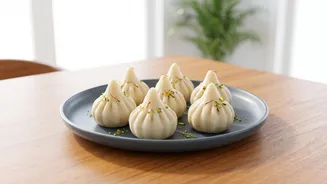
The final days of Ganesh Chaturthi are synonymous with a delicious array of sweets and savouries, chief among them being the modak. Considered Lord Ganesha’s favourite food, these steamed rice-flour dumplings filled with a mixture of fresh coconut and jaggery
are a non-negotiable part of the celebration. But the culinary offerings extend far beyond this iconic sweet. Homes prepare Puran Poli, a sweet flatbread stuffed with lentils and jaggery, which is often the second major offering. As families prepare to bid farewell to their idols, kitchens are busy creating celebratory dishes. On Visarjan day itself, after hours spent in processions, the meal is often simple and comforting. Dishes like Varan Bhaat (mild lentil soup with rice), Batatyachi Sukhi Bhaji (dry potato preparation) with puris, and the one-pot Masale Bhaat offer nourishment to tired bodies. The festival concludes with a sweet note, often a chilled bowl of Shrikhand, a creamy dessert made from strained yogurt, symbolising the lingering joy of the occasion.
The City as a Pilgrimage Site
Ganesh Visarjan week turns entire cityscapes into sprawling art galleries and pilgrimage routes. The tradition of ‘pandal hopping’ is a form of local tourism where families and friends travel across their cities to seek blessings from various Ganesha idols. In Mumbai, this activity is a highly organised affair, with specific routes and clusters that allow visitors to see multiple iconic pandals in one outing. The Lalbaug-Parel area in Central Mumbai is the epicentre, home to the world-renowned Lalbaugcha Raja, Mumbaicha Raja, and Chinchpoklicha Chintamani. Devotees often spend hours in queues, a wait that has become part of the tradition itself. Another popular zone is Khetwadi in South Mumbai, where numerous narrow lanes each host their own pandal, creating a dense and festive atmosphere perfect for exploring on foot. This urban pilgrimage is facilitated by public transport, with local trains becoming the primary vehicles for devotees navigating the crowded city.
A Symphony of Street Food
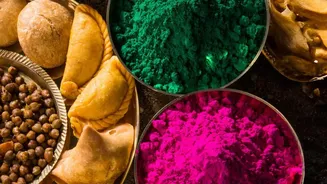
Wherever the pandals and processions go, a vibrant street food culture follows. The decorated corridors and crowded lanes near major mandals become a haven for food lovers. The air fills with the aroma of sizzling vada pav, buttery pav bhaji, and freshly pressed sugarcane juice, providing quick and delicious fuel for enthusiastic pandal-hoppers. Snacks like crispy, spiral-shaped chakli and savoury samosas are also popular choices. In some areas, especially around pandals set up by Maharashtrian communities, you might find stalls selling traditional festive foods like puran poli and batata vada. This impromptu culinary landscape is an essential part of the festive experience, adding another layer of celebration to the devotional atmosphere and bringing people together over shared meals on the go.
Journeys Home and Communal Spirit
Beyond the city limits, Ganesh Chaturthi and its culminating Visarjan week often trigger a different kind of travel. For many families, especially in Maharashtra and the Konkan region, it is a time for homecoming. People living in cities travel back to their ancestral villages to partake in long-standing family traditions, turning the festival into a large-scale family reunion. This annual migration reinforces cultural roots and connects generations. The final immersion ceremony, or Visarjan, is the pinnacle of this community spirit. Huge processions accompany the idols to the nearest water body, be it the sea, a river, or a local lake. In Mumbai, Girgaon Chowpatty and Juhu Beach become major gathering points, witnessing the immersion of thousands of idols, from small household ones to the gigantic statues from public pandals. This final journey is a spectacle of music, dance, and collective emotion, a powerful testament to shared faith and culture.