



The Expressway Revolution
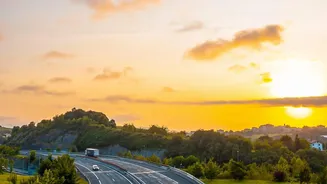
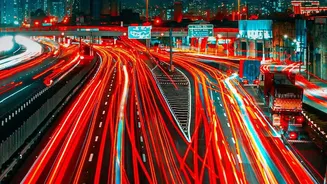
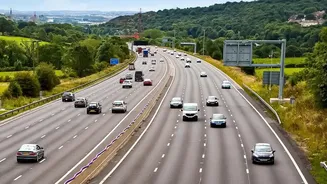
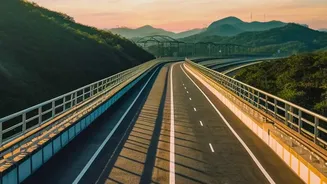
India is in the midst of a massive infrastructure upgrade, with thousands of kilometres of new expressways transforming the way people travel. Projects like the Delhi-Mumbai Expressway, the Delhi-Dehradun Expressway, and the Samruddhi Mahamarg between
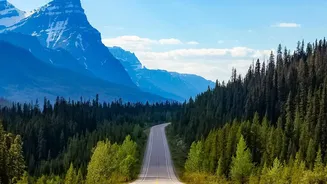
Mumbai and Nagpur are not just roads; they are state-of-the-art transport corridors. Featuring multiple lanes, access-controlled entry and exit points, and smooth tarmac, these highways are designed for speeds up to 120 km/h, making long-distance driving faster, safer, and more comfortable. This rapid expansion of high-quality road networks forms the backbone of the burgeoning road trip culture.
Time, the New Weekend Currency
The single biggest impact of these new expressways is the dramatic reduction in travel time. A journey that once took a full day can now be completed in a few hours. For instance, the drive from Delhi to Dehradun has been slashed from six hours to just 2.5 hours. Similarly, the Delhi-Jaipur commute has dropped from five hours to around 3.5 hours. This 'time-saving' dividend has fundamentally altered weekend travel calculations. Destinations that were previously considered too far for a two-day trip, like Jaipur, Agra, Rishikesh, or Nashik, are now easily accessible weekend getaways from major metros like Delhi and Mumbai. This has unlocked a new category of 'driveable destinations' for millions of urban dwellers.
A Shift in Traveller Mindset
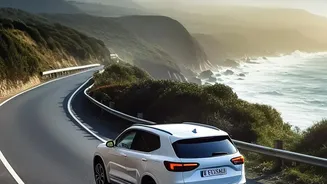
The pandemic played a significant role in reshaping travel preferences. Health and safety concerns led many to favour the controlled, private environment of a personal vehicle over crowded trains and planes. This preference for road travel has persisted, evolving into a lifestyle choice. Today's travellers are increasingly seeking short, frequent, and spontaneous breaks to escape the urban grind. The convenience of just packing a bag, fueling up the car, and hitting the road offers a sense of freedom and control that resonates with the modern Indian family and young professionals alike. Data shows that while major metro routes remain busy, the fastest growth is on regional routes connecting to Tier-2 cities and leisure spots.
More Than Just a Smooth Drive
The journey itself is becoming part of the destination. Modern expressways are being developed with a focus on traveller comfort and convenience. The National Highways Authority of India (NHAI) is developing hundreds of Wayside Amenities every 40-60 kilometres. These aren't just basic dhabas; they are integrated facilities offering food courts, clean restrooms with showers, fuel stations, EV charging points, vehicle repair shops, and even medical clinics and children's play areas. Some plans also include 'village haats' to promote local handicrafts, making the pit stops a cultural experience in themselves. This focus on creating a pleasant travel experience makes the hours spent on the road feel less like a chore and more like part of the holiday.
Economic Ripples and New Destinations
The expressway boom is not just fuelling weekend getaways; it's creating new economic ecosystems. Improved connectivity is spurring the growth of tourism in previously hard-to-reach areas. This has led to a rise in new hospitality options, from luxury farm stays and heritage hotels to budget-friendly resorts, all catering specifically to the road-tripping crowd. Destinations like Neemrana, Sariska Tiger Reserve, and the Shekhawati region in Rajasthan are seeing a surge in visitors thanks to their newfound accessibility from Delhi. This trend stimulates local economies, creates jobs, and encourages the development of new tourist circuits, spreading the benefits of tourism beyond the traditional hubs.