




Decode the 'Deluxe' Description
Hotels use appealing names for their room categories: 'Deluxe,' 'Superior,' 'Executive.' These labels sound impressive but have no standard meaning across the industry. What one hotel calls 'deluxe' might be another's 'standard.' Instead of relying on the name,
focus on the visual evidence in the photos. Pay attention to the listed square footage if available and compare it to the images. Look for what is explicitly shown. A 'deluxe' room should offer more than just a bed and a chair. Look for signs of extra space, a dedicated work area, or higher-end furnishings. If all room categories share the same few generic photos, that's a red flag. A confident hotel will provide distinct images for each room type to justify the price difference. The absence of clear differentiation suggests the upgrade may not be worth the money.
Let There Be Light, and a View
A room's windows are one of its most important but often overlooked features in photos. They determine natural light, the view, and potential noise levels. Hotel photographers are experts at using lighting to make a space feel bright and airy. Scrutinise the window shots. Is the curtain drawn in every picture? They might be hiding an unpleasant view of a brick wall or a noisy street. Look for photos taken during the day with the curtains open to get a true sense of the natural light. Also, check the view itself. A 'partial sea view' might mean craning your neck from the corner of a balcony. If the view is a key selling point, the hotel will feature it prominently and honestly. If it's downplayed or shown with suspiciously perfect sunsets, be sceptical. Use online maps with street-view features to check the hotel's immediate surroundings for things like construction sites or busy roads that the photos won't show.
The Bathroom Tells a Deeper Story
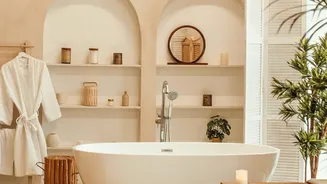
The bathroom is often a reliable indicator of a hotel's overall quality and cleanliness. Many travellers will check the bathroom first upon arrival for this reason. When examining photos, look for signs of age versus signs of being modern and well-maintained. Are the fixtures contemporary or dated? Are the tiles clean and the grout pristine, or can you spot discoloration even in a professional photo? The presence of a clean, modern bathroom in the photo gallery is a sign of confidence. Conversely, if there are no bathroom photos at all, it's a major warning sign that the facilities may be tiny, old, or in need of renovation. Pay attention to the amenities. Is it a spacious walk-in shower or a tub with a clingy curtain? These details significantly impact the comfort of your stay. Glass walls are often used to make small rooms appear larger and more luxurious in photos, but consider the privacy implications if you're not travelling alone.
Watch for Photographic Tricks
Professional hotel photographers use specific techniques to make rooms look as appealing as possible. One of the most common is a wide-angle lens, which can make a small, cramped room appear spacious. If the furniture near the edges of a photo looks slightly stretched or curved, a wide-angle lens was likely used. Be wary of photos that are heavily cropped or only show tight close-ups of a vase of flowers or a folded towel. These can be used to hide worn-out furniture or awkward layouts. A hotel that is proud of its rooms will show wide shots that capture the entire space from multiple angles. Also, pay attention to the bedding. Crisp, all-white bedding is often a good sign, indicating that the hotel prioritises cleanliness and has likely been updated recently. Patterned, coloured bedspreads can sometimes hide stains and may suggest an older, less updated decor.
Cross-Reference with Real Traveller Photos
The single most effective way to verify what a hotel room actually looks like is to ignore the hotel's professionally staged gallery and seek out photos taken by other guests. Booking sites and review platforms are invaluable for this. These unedited phone snaps are the truth serum, revealing the room's actual size, the real view from the window, and the true state of wear and tear. While a single bad photo could be an outlier, if you see multiple guest photos showing a reality that is drastically different from the hotel's official pictures, believe the guests. Look for consistency in complaints. If several recent reviews mention a dated bathroom or a room that was much smaller than expected, you can be confident that this is a recurring issue. These real-world photos cut through the marketing and provide the ground truth you need to make an informed decision.