





The Protein Bar: Convenient but Complicated
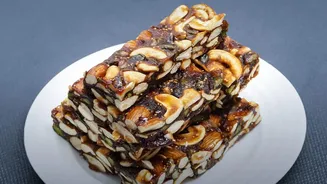
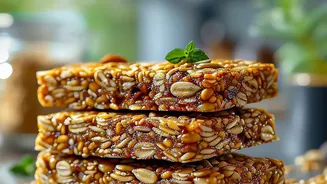
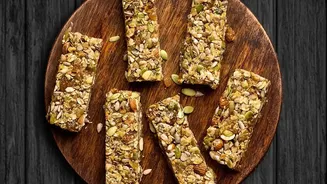
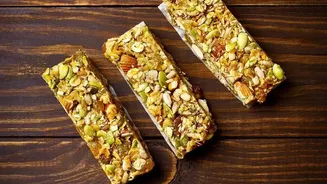
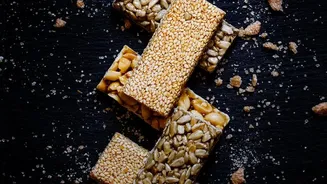
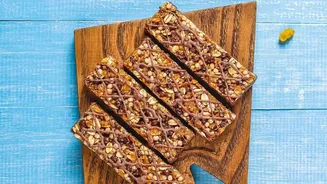
Protein bars are the ultimate grab-and-go snack, designed for a quick energy boost or post-workout recovery. Their main appeal is, of course, a high protein content, often ranging from 15 to 20 grams per bar, which can help with muscle repair and satiety.
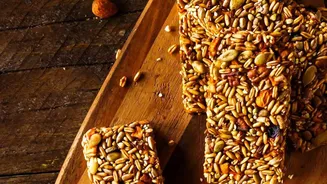
However, not all protein bars are created equal. Many are highly processed and can be closer to a candy bar than a health food, packed with added sugars, unhealthy fats like palm oil, and artificial sweeteners. When choosing a protein bar, the ingredient list is your best friend. Look for bars with whole food ingredients like nuts and oats, a protein count of at least 10 grams, and fewer than 8 grams of added sugar. The source of protein also matters; whey or milk protein isolates are often considered high-quality options.
Nuts: A Whole Food Powerhouse
Nuts, such as almonds, walnuts, and cashews, are a nutritional powerhouse in a small package. They are an excellent source of healthy unsaturated fats, protein, and fibre. A standard 30-gram serving of almonds provides about 170 calories, 5 grams of protein, and healthy fats that support heart health and help you stay full. Nuts are also rich in important micronutrients like vitamin E and magnesium. The main consideration with nuts is their calorie density. While they are incredibly healthy, portion control is key, especially if weight management is a goal. A small handful is a good guideline for a serving size. Opting for raw or dry-roasted and unsalted varieties is the best way to reap their benefits without adding excess sodium or unhealthy oils.
Makhana: The Light and Crunchy Alternative
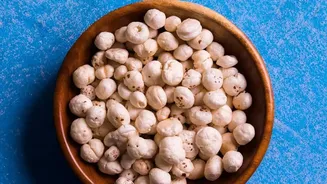
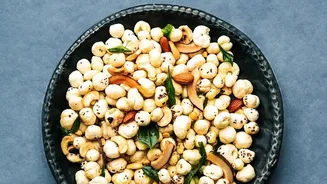
Makhana, also known as fox nuts or lotus seeds, have gained immense popularity as a light, low-calorie snack. A key advantage of makhana is its low calorie and fat content; a large bowl can contain under 100 calories. This makes it an excellent choice for those who enjoy snacking in larger volumes without a high caloric cost. While lower in protein than nuts and most protein bars (a 25-gram serving has about 2-3 grams of protein), makhana is rich in fibre, which aids digestion and promotes fullness. It's also a good source of minerals like magnesium, potassium, and calcium. With a low glycemic index, it provides sustained energy without causing sharp spikes in blood sugar, making it a suitable snack for many.
The Verdict: Which Snack for Your Goal?
There's no single 'best' snack; the right choice depends entirely on your needs. For Muscle Building: A high-quality protein bar is hard to beat for a quick, concentrated dose of protein post-workout. A generous handful of almonds is also a strong choice, offering both protein and healthy fats. For Weight Management: Makhana is a clear winner if you're looking for a high-volume, low-calorie snack to satisfy cravings. Nuts can also support weight loss by promoting fullness, but portion size is critical. For Overall Health & Clean Eating: Unprocessed, whole foods are always best. Plain makhana and raw or dry-roasted nuts are superior choices as they are free from the additives and sugars often found in protein bars. For Sheer Convenience: The protein bar wins for its portability and no-fuss nature, perfect for a busy day when whole food options aren't practical.