
Paddling with Purpose
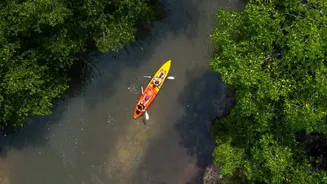
Along the tranquil backwaters of the Konkan coast, a quiet revolution is taking place. In villages dotted across Sindhudurg and Ratnagiri districts, community-run initiatives are transforming the tourism landscape. Here, kayaking is more than an adventure
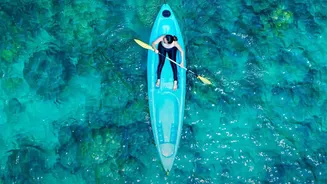
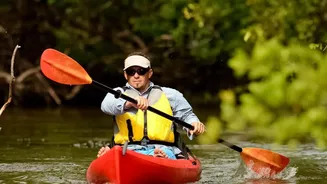
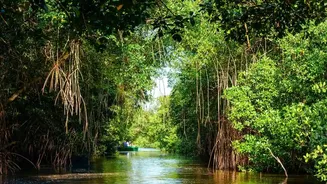
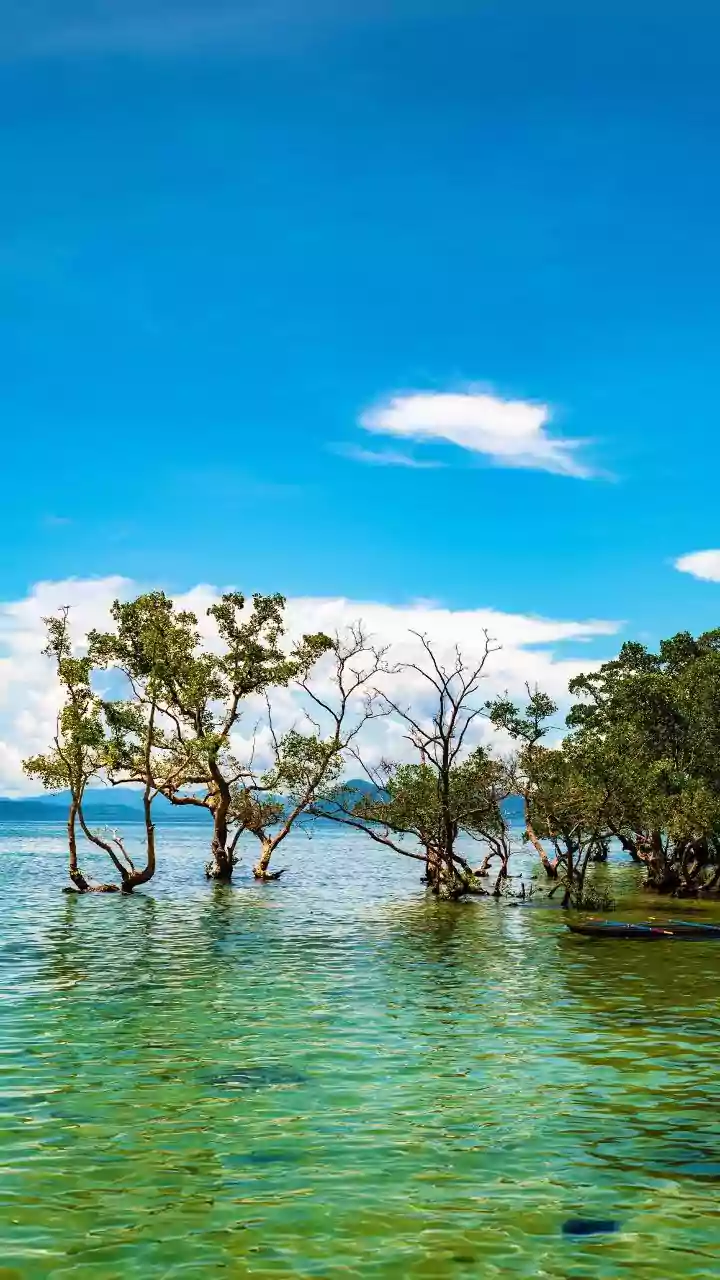
sport; it is a vehicle for cultural preservation and sustainable development. Unlike commercial tourist hubs, the experience is intentionally slow and immersive. Small groups of visitors paddle through lush mangrove forests, guided by local experts who share intimate knowledge of the ecosystem, from the names of exotic birds to the lifecycle of the mangrove trees themselves. This form of mindful travel prioritizes connection over consumption, offering a glimpse into a way of life deeply intertwined with nature.
A Model for Sustainable Livelihood
The driving force behind this movement is the desire to create economic opportunities that don't erode the region's unique cultural fabric. For decades, the threat of commercial tourism loomed, promising revenue but often at the cost of local identity and environmental health. In response, eco-villages and self-help groups, often supported by organizations like the Mangrove Foundation of Maharashtra, developed a model centered on community-based ecotourism. By offering authentic experiences like mangrove safaris, homestays, and guided kayaking, these communities generate income directly. This ensures that the financial benefits of tourism stay within the village, empowering residents and funding conservation efforts.
Preserving Culture, One Kayak at a Time
The preservation of traditional coastal culture is at the core of this initiative. When visitors arrive for a kayaking trip, they are not just customers; they are guests invited to experience the Konkani way of life. This concept, sometimes referred to as 'sushegaad', emphasizes contentment and finding luxury in simplicity. The experience extends far beyond the water. Travellers stay in modest, eco-friendly homestays, often built with local materials like bamboo. They eat traditional meals prepared by local women, featuring ingredients like ragi, fresh seafood, and kokum, sourced directly from the surrounding land and sea. This approach turns every aspect of the visit into a cultural exchange, validating and sustaining local traditions, from cuisine to folk arts, that might otherwise fade.
The Mindful Tourist
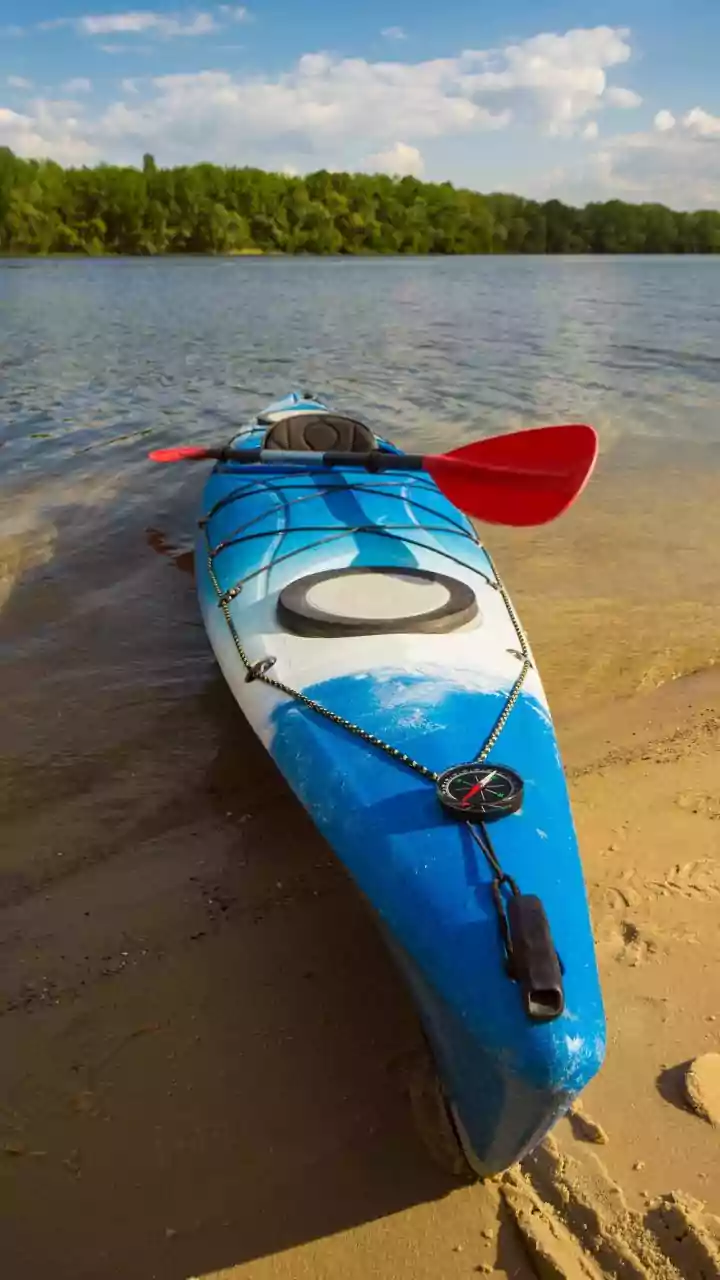
This model thrives on attracting a specific type of traveller: one who seeks authenticity and is willing to trade resort amenities for a genuine connection. These visitors understand that their presence has an impact and choose operators who prioritize sustainability. The groups are kept small, often no more than a dozen people, to minimize disturbance to the fragile ecosystem and ensure an intimate experience. The tours are designed to be educational, focusing on the importance of mangrove conservation and the region's rich biodiversity. Instead of high-speed motorboats, the preferred modes of transport are kayaks and traditional rowboats, which are non-polluting and allow for quiet observation of wildlife. This mindful approach ensures that tourism remains a positive force, contributing to the environment rather than detracting from it.