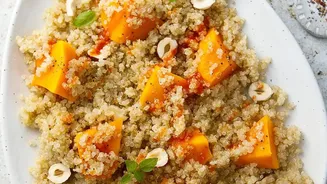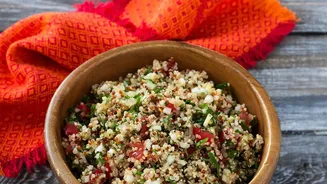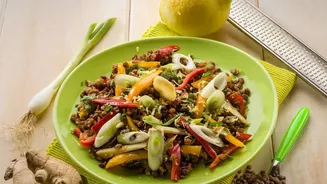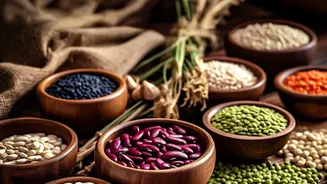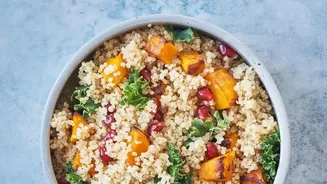





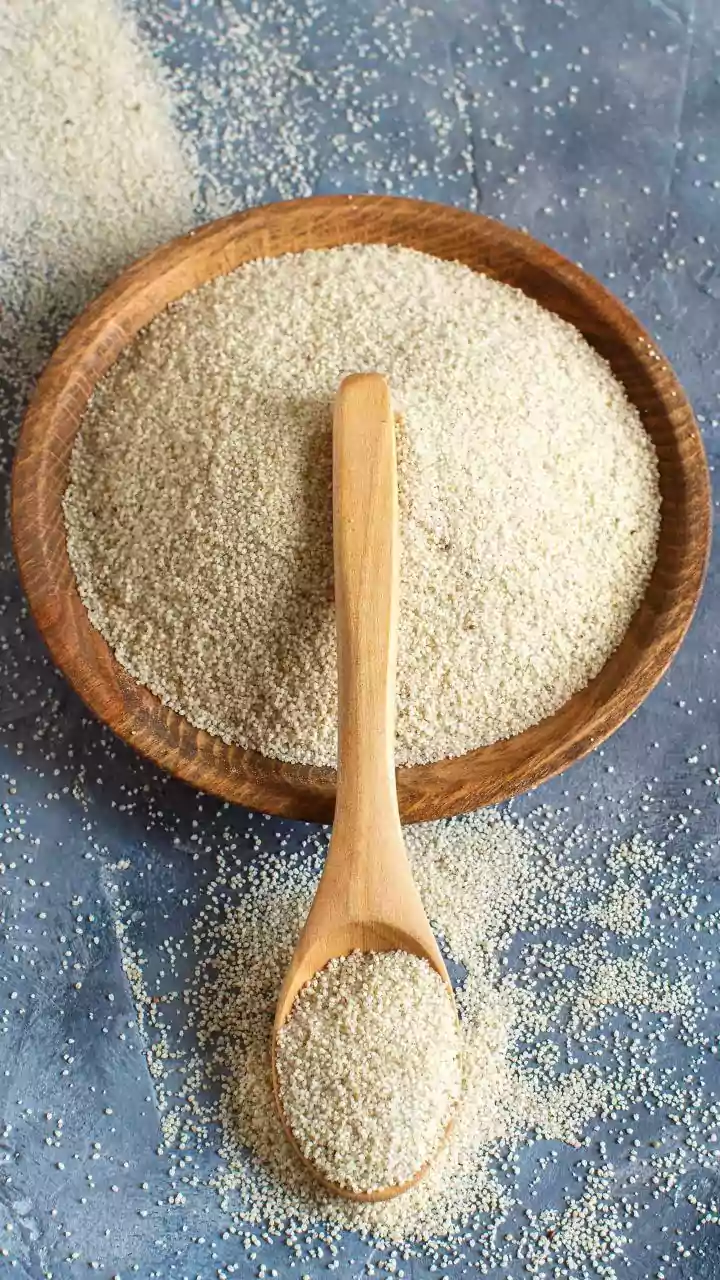

Quinoa and lentils are pantry heroes, celebrated for their health benefits. But when it comes to carbohydrates, they are not created equal. Understanding their differences is key to choosing the right one for your health and dietary goals.
The Main Event: Carbohydrate Count
When you look
at the total carbohydrate count, quinoa and lentils appear quite similar. A standard cooked cup of lentils contains about 40 grams of carbohydrates, while the same amount of quinoa has around 39 grams. Based on this number alone, there isn't a significant difference. Both are considered complex carbohydrates, which means they are digested more slowly than simple carbs found in white bread or sugary snacks. This slow digestion provides a more sustained release of energy, helping you feel full and energized for longer. So, for total carbs, it's virtually a tie, but this is only the beginning of the story.
The Fiber Factor: A Clear Winner
The real difference in their carbohydrate profiles lies in the fiber content. Fiber is a type of carbohydrate that your body can't digest, and it plays a crucial role in gut health and blood sugar regulation. Here, lentils are the undisputed champion. A cup of cooked lentils packs an impressive 15.6 grams of dietary fiber, which is more than half of the recommended daily intake for many adults. In contrast, a cup of cooked quinoa provides about 5.2 grams of fiber. This massive difference means lentils have a much lower 'net carb' count (total carbs minus fiber), making them a superior choice for anyone on a low-carb diet or looking to maximize their fiber intake for digestive health.
Impact on Blood Sugar: The Glycemic Index
The Glycemic Index (GI) measures how quickly a food causes your blood sugar to rise. Foods with a lower GI are better for managing blood sugar levels, which is vital for everyone, especially individuals with diabetes or insulin resistance. Both quinoa and lentils have a low GI, but lentils score even better. Lentils have a GI of around 32, while quinoa's GI is about 53. This means lentils will cause a slower, more gradual rise in blood sugar compared to quinoa. This makes lentils an excellent food for sustained energy and preventing the energy crashes that can follow a high-GI meal.
The Protein Power Play
While the headline focuses on carbs, the protein comparison is just as important. Lentils again take the lead in quantity, offering about 18 grams of protein per cooked cup, more than double the 8 grams found in a cup of quinoa. However, quinoa has a special advantage: it's a 'complete protein'. This means it contains all nine essential amino acids that our bodies cannot produce on their own. Lentils are an 'incomplete protein', meaning they are low in certain amino acids. For vegetarians and vegans, this makes quinoa a valuable staple. However, the protein in lentils can be easily completed by pairing them with a whole grain like rice or bread.
Micronutrient Scorecard
Beyond the big three (carbs, protein, and fat), both foods are packed with essential vitamins and minerals. Lentils are a nutritional powerhouse, providing significantly more folate, iron, and potassium than quinoa. In fact, one cup of lentils delivers about 90% of the daily recommended intake for folate, a crucial B vitamin. Quinoa, on the other hand, comes out ahead in magnesium and manganese content. Both are excellent glutenfree options that contribute valuable nutrients to any diet, but lentils generally offer a broader and more potent micronutrient profile.
The Verdict : Which Should You Choose ?
So , after comparing all the factors , which one belongs in your bowl ? The answer depends entirely on your personal health goals . Choose lentils if your priorities are : - Maximizing fiber intake for gut health . - Following a lower net - carb diet . - Managing blood sugar levels as tightly as possible . - Increasing your intake of protein , iron , and folate . Choose quinoa if your priorities are : - Getting a complete plant - based protein from a single source . - A lighter , fluffier texture for salads and side dishes . - Boosting your intake of magnesium and manganese . Ultimately , there ' s no need to pick a permanent winner . Both quinoa and lentils are incredibly healthy , versatile , and affordable . Incorporating both into your weekly meals is perhaps the smartest strategy of all .