






The Static Snapshot in a Dynamic World
For decades, the resume has been the key to unlocking career opportunities. It’s a familiar, standardized format. But in a world where skills are increasingly project-based and dynamic, the traditional resume has significant limitations. It’s a static,
one-page summary in an era that demands dynamism. Recruiters, often sifting through hundreds of applications for a single role, are faced with a sea of sameness—bullet points and timelines that all start to blur together. A resume can state that you are a “skilled graphic designer” or an “expert Python developer,” but it can’t prove it. It can list “team leadership” as a skill but offers no evidence of how you lead. This format, by its very nature, forces you to tell, not show. It reduces your complex, impactful work into a few generic-sounding lines, making it incredibly difficult to stand out from other qualified candidates.
Enter the Digital Portfolio
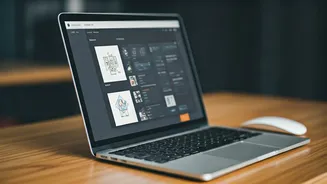
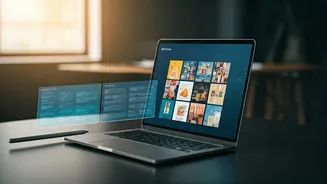
A digital portfolio is much more than an online resume. Think of it as your personal professional museum, curated by you, to display your best work. It’s a dedicated website or a page on a platform that goes beyond listing job titles and responsibilities. It’s where you provide context, showcase results, and let your work speak for itself. Unlike a LinkedIn profile, which is a social network with a standardized structure, a portfolio gives you complete creative control over your narrative. This isn't just for artists and designers anymore. A software developer can showcase their code on GitHub and link to live projects. A content writer can display their published articles with metrics on their impact. A marketing manager can present case studies of successful campaigns, complete with visuals and data. It’s a living document that evolves with your career.
Proving Your Worth, Not Just Listing It
The single greatest advantage of a digital portfolio is its power to provide proof. It’s the ultimate application of the “show, don’t tell” principle. Any candidate can write “proficient in data visualization” on their resume. But the candidate who has a portfolio with an interactive dashboard they built to analyze sales trends is the one who gets the interview. This shift is critical. It moves the conversation from what you claim you can do to what you have actually done. For hiring managers, this is invaluable. A portfolio de-risks the hiring process. They can see your coding style, read your writing, analyse your design thinking, or review the ROI of your marketing campaigns before they even speak to you. It demonstrates not only your technical skills but also your passion, your attention to detail, and your ability to communicate complex ideas.
Essential Elements of a Killer Portfolio
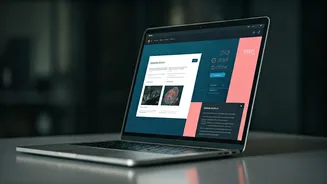
Creating a portfolio doesn’t have to be an overwhelming task. Focus on these core components to build an effective showcase. First, include a curated selection of your best projects—not everything you’ve ever done. For each project, explain the problem you were trying to solve, your specific role, the process you followed, and the final outcome, using metrics where possible. Second, an “About Me” section is crucial. This is your chance to tell your professional story, outline your core skills, and let your personality shine through. Third, add testimonials. A few powerful quotes from former managers, clients, or colleagues can add immense credibility. Finally, make your contact information and links to your professional social profiles (like LinkedIn) prominent and easy to find.
Simple Tools to Get You Started
You don't need to be a web developer to create a stunning portfolio. There are many user-friendly platforms available today. For creative professionals like designers and illustrators, platforms like Behance and Dribbble are industry standards. For developers, a well-organized GitHub profile with detailed README files for key repositories is a must. For writers, marketers, and other professionals, services like Journo Portfolio or Contently offer simple templates. Alternatively, website builders like Wix, Squarespace, or even a well-structured public Notion page provide incredible flexibility to build a custom site from scratch with no coding required. The key is to start simple. Choose a platform, pick your top two or three projects, and begin building.