




India's remote corners offer mesmerising views of the cosmos, far from city lights. But reaching these dark-sky havens requires planning. This guide helps you choose the best stargazing spots while prioritising your safety on the ground.
Why Safety is Your First Priority
The very things
that make a location perfect for stargazing—remoteness, darkness, and minimal infrastructure—also introduce risks. Venturing into unfamiliar, dark terrain without preparation can be dangerous. Key concerns include navigating uneven ground, sudden weather changes, encounters with wildlife, and the challenges of high-altitude environments. Choosing a location is not just about sky quality; it's about understanding the local conditions and planning accordingly. Going with a group or an organised tour is often the safest option, especially for beginners. Always inform someone of your exact location and planned return time before you head out.
High-Altitude Havens: Ladakh and Spiti
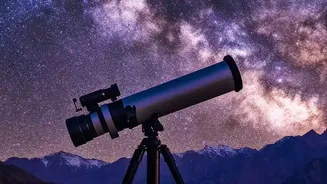
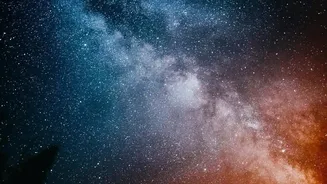
Ladakh and Spiti Valley are India's premier stargazing destinations, boasting some of the clearest and darkest skies on Earth. Hanle in Ladakh is home to India's first official Dark Sky Reserve, a region with regulated lighting to protect its pristine skies for astronomical research. Locations like Pangong Tso, Tso Moriri, and Nubra Valley in Ladakh, and the villages of Kibber, Komic, and Langza in Spiti, offer breathtaking views of the Milky Way. However, safety here is paramount. Both regions are at high altitudes (above 3,500 metres), making acclimatisation essential to prevent altitude sickness. Spend at least two days in a lower-altitude town like Leh or Kaza before ascending further. Nights are extremely cold even in summer, so packing thermal layers, jackets, gloves, and caps is non-negotiable.
India’s First Dark Sky Reserve: Hanle
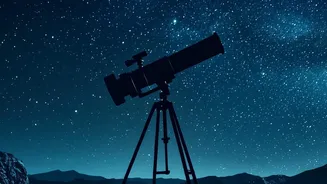
Formally established in 2022, the Hanle Dark Sky Reserve in Ladakh is a globally recognised site for astronomy. Located within the Changthang Wildlife Sanctuary at an altitude of 4,500 metres, its dry, thin air and minimal light pollution provide world-class viewing conditions. The reserve is a collaboration between scientists and the local community, which has been trained to lead astro-tourism initiatives. Visitors can book sessions with 'Astronomy Ambassadors' who guide them through the cosmos using telescopes. Visiting Hanle requires a Protected Area Permit and careful planning due to its remoteness. To protect its fragile environment, visitors must follow strict guidelines, such as using red-filtered lights and avoiding loud noises or litter.
Desert Skies: Rajasthan and Kutch
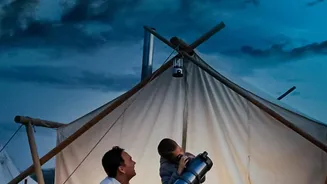
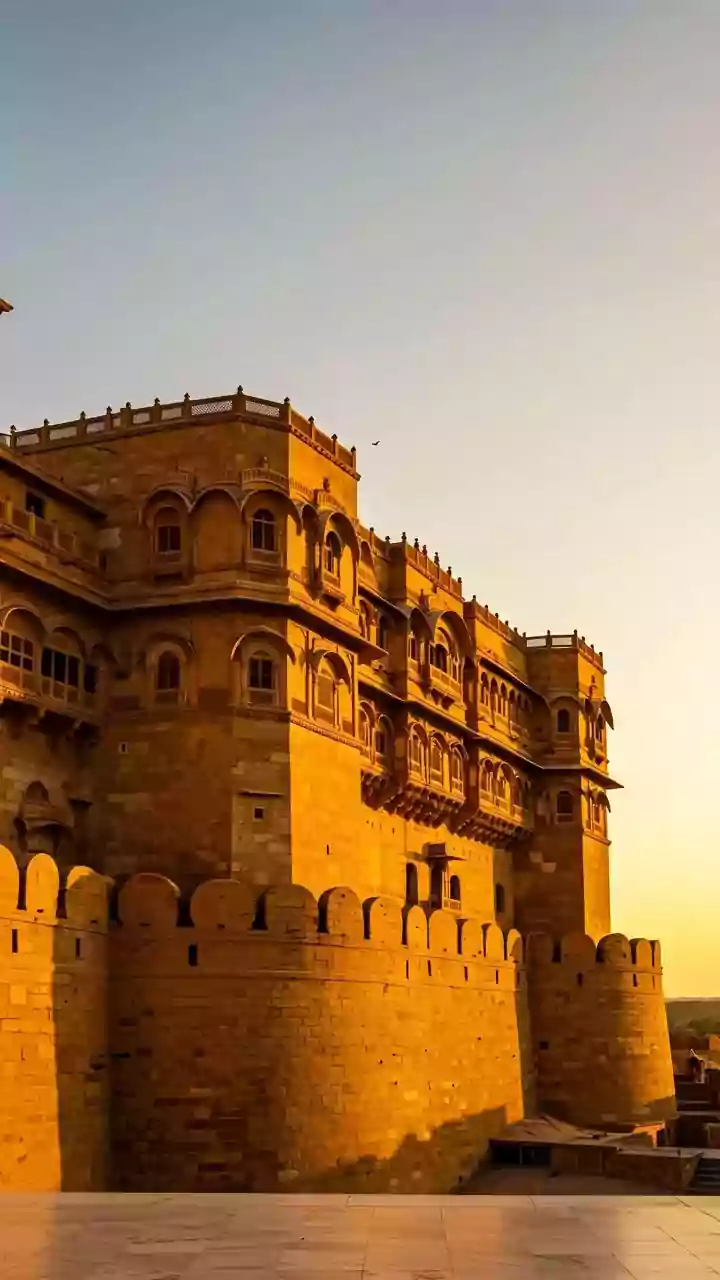
You don't need to climb the Himalayas for a stellar view. The deserts of Rajasthan and Gujarat offer their own unique stargazing magic. The Sam Sand Dunes near Jaisalmer and the vast salt flats of the Rann of Kutch have minimal light pollution and low humidity, especially in winter. Many desert camps, which offer accommodation away from city lights, provide a convenient and relatively safe base for skywatching. After an evening of local culture, you can step away from the campfire to see a brilliant star-filled sky. The main safety considerations here are the significant temperature drops after sunset and navigating the dunes in the dark. It is always best to stay near your designated camp.
Southern and Island Getaways
For those in South India, Coorg in Karnataka is an accessible option. Its coffee plantations, situated away from major towns, can provide surprisingly dark skies on clear, moonless nights. Further afield, the Andaman and Nicobar Islands offer a unique coastal stargazing experience. Neil Island (Shaheed Dweep) and Havelock Island (Swaraj Dweep), with their limited light pollution, allow for sharp views of constellations over the sea. When choosing a spot in these regions, it's crucial to be aware of local regulations, especially concerning access to forests or beaches at night. Avoid the monsoon season, as cloud cover will obscure any view.
Your Essential Skywatching Safety Kit
Regardless of where you go, a few essentials will make your stargazing trip safer and more comfortable. Pack a reliable first aid kit. Dress in layers, as temperatures can plummet after dark. Use a headlamp with a red light mode; red light preserves your night vision, which can take up to 30 minutes to fully adjust to the dark. Bring a backup torch and fully charged power banks, as cold weather can drain batteries quickly. A sturdy tripod is a must for anyone attempting astrophotography. Finally, downloading a stargazing app like Stellarium or Sky Guide can help you identify the constellations, planets, and stars you are seeing.