





The Urban Heat Island Effect
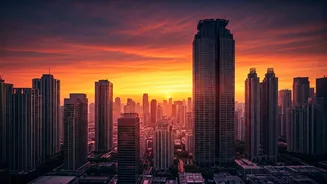
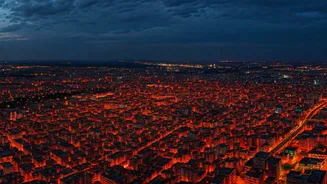
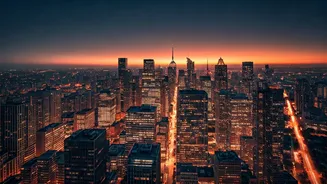
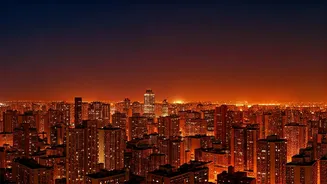
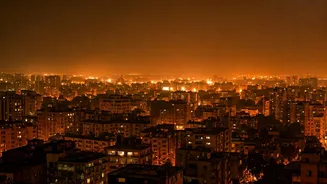
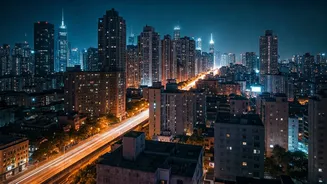
The primary reason our cities stay hot is a phenomenon known as the urban heat island effect. During the day, the endless expanse of concrete, asphalt, and dark-coloured materials used in buildings and roads absorbs huge amounts of solar radiation. Unlike
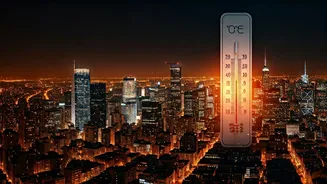
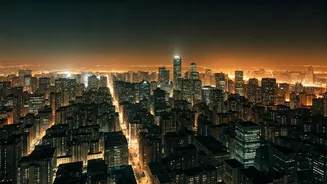
natural landscapes like forests and fields, which cool down quickly after sunset, these urban materials release the stored heat slowly and continuously throughout the night. This process can make a dense city centre several degrees warmer than its surrounding rural areas, effectively turning our cities into giant storage heaters that refuse to switch off. Studies across major Indian cities like Delhi, Mumbai, and Ahmedabad show a consistent and intensifying nighttime urban heat island effect, with some neighbourhoods remaining up to 10°C hotter than nearby rural areas.
The Disappearance of Natural Coolants
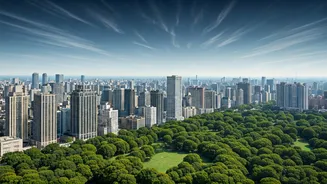
Rapid and often unplanned urbanisation has come at the cost of our natural air conditioners: trees and water bodies. Parks, lakes, and green belts have been steadily replaced by construction. Trees provide shade and also cool the air through a process called evapotranspiration. Water bodies have a significant natural cooling effect on their immediate surroundings. The drastic reduction in this green and blue infrastructure means cities lose their ability to self-regulate temperature. For example, reports indicate that Delhi's green cover declined significantly over the past decade, which directly correlates with its reduced capacity to cool down after dark. This loss prevents the dissipation of daytime heat and contributes directly to warmer, more uncomfortable nights.
Heat From Our Daily Lives
It’s not just the sun's heat that gets trapped; our cities generate their own. This is known as anthropogenic heat. The exhaust from millions of vehicles, industrial processes, and, ironically, the waste heat pumped out by air conditioning units all contribute to warming the urban environment. While these activities occur during the day, many continue around the clock. Air conditioners are a key part of a dangerous feedback loop: as nights get warmer, more people turn on their ACs. These units cool the inside of a home by pumping hot air outside, further raising the ambient temperature of the neighbourhood and making the problem even worse for everyone.
The Hidden Health Dangers of Warm Nights
The inability to cool down at night is not just an inconvenience; it poses a serious health risk. Our bodies rely on the cooler temperatures of the night to recover from the heat stress accumulated during the day. When nights remain warm, this vital recovery period is lost. This sustained heat exposure can lead to an increased risk of heat exhaustion, heatstroke, cardiovascular problems, and even death, particularly among the elderly, children, and those with pre-existing health conditions. Studies show that nighttime heat is a major contributor to mortality during heatwaves, yet most public health warnings in India still focus primarily on daytime temperatures. The impact is especially severe for those in low-income housing with poor ventilation and no access to cooling, where indoor temperatures can remain dangerously high all night.