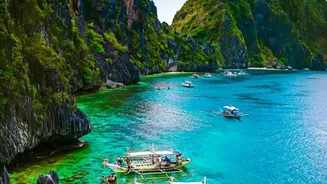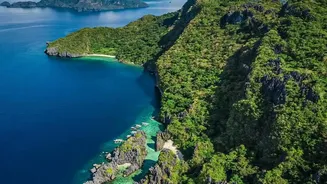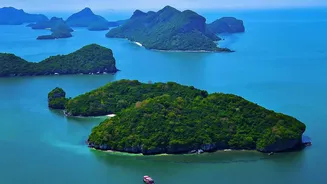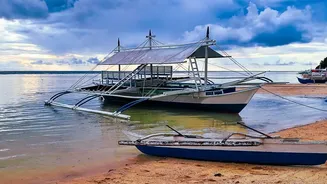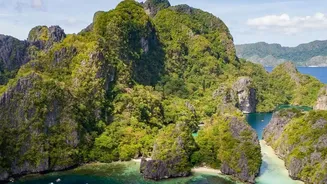




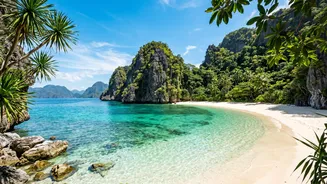

The limestone cliffs and turquoise lagoons of El Nido are the stuff of travel dreams. But what happens when thousands of people share the same dream at the same time? It’s a question worth asking about the Philippines' most famous spots.
The Paradise Paradox
You’ve seen the
photos: a lone kayak gliding across impossibly clear water, a hidden beach all to yourself. This is the promise of El Nido, Palawan. The reality, especially during peak season from December to April, can be quite different. Imagine queues for tour boats, lagoons filled with dozens of other vessels, and the constant hum of engines instead of the gentle lapping of waves. Recent reports even highlight infrastructure strain, like power outages, during these peak times. The very beauty that draws travelers in has created a situation where finding that promised serenity is a challenge. This isn't to say the beauty is gone, but it is often shared with a significant crowd, leading many to wonder if the experience matches the sky-high expectations set by social media.
A Victim of Its Own Hype
How did we get here? El Nido, like many global hotspots, is a victim of its own incredible success. For years, it was a hidden gem whispered about among backpackers. Then came the internet, Instagram, and 'best of' travel lists. The resulting explosion in popularity has put immense pressure on the local environment and infrastructure. Tourism growth has been linked to coastal water contamination, with fecal coliform levels exceeding safe limits in the main bay area in recent years. While tourism provides vital income and jobs, the sheer volume of visitors threatens the fragile ecosystem that makes the place so special in the first place, from coral reefs damaged by anchors to strained waste management systems.
Not Just an El Nido Story
This phenomenon isn't unique to Palawan. It’s a recurring theme across the Philippines' most celebrated destinations. Boracay's famous six-month rehabilitation closure in 2018 was a direct response to the consequences of unchecked overtourism, which had been straining the island with up to 20,000 daily visitors. In Siargao, the once-sleepy surfing paradise is grappling with rapid development and concerns over commercialization diluting its unique culture. Even the cool mountain city of Baguio faces gridlock traffic during its peak festivals. These places are incredibly popular for good reason, but their fame has come at a cost, forcing a nationwide conversation about how to manage success sustainably.
Finding Your Own Paradise
So, what's a traveler to do? The answer isn't to stop visiting the Philippines, but to travel smarter. Consider visiting popular spots like El Nido during the shoulder seasons—such as May or November—when the weather is still pleasant but the crowds are thinner. Better yet, look beyond the headlines. For every El Nido, there are dozens of less-famous but equally stunning destinations. Explore the rustic charms of Port Barton in Palawan, the unspoiled reefs of Apo Reef Natural Park, or the tranquil beaches of Bantayan Island in Cebu. The most memorable trip might not be the one you've seen a thousand times online, but the one you discover for yourself.
A Move Towards Balance
The good news is that awareness is growing, and action is being taken. Learning from Boracay's drastic closure, many local governments are becoming more proactive. In El Nido itself, authorities have implemented environmental carrying capacities for popular sites like the Big and Small Lagoons, requiring advance booking to limit daily visitors and regulate activities like kayaking. The national government is also championing sustainable tourism, promoting ecofriendly accommodations and supporting communitybased projects that empower locals while preserving natural heritage. These initiatives, from training tourism officers in sustainability principles to developing new ecotourism circuits, represent a crucial shift toward balancing economic growth with environmental preservation.