
Capturing the Flash: Trajectory and Speed
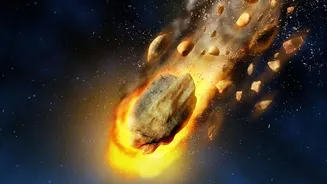
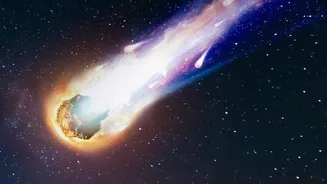
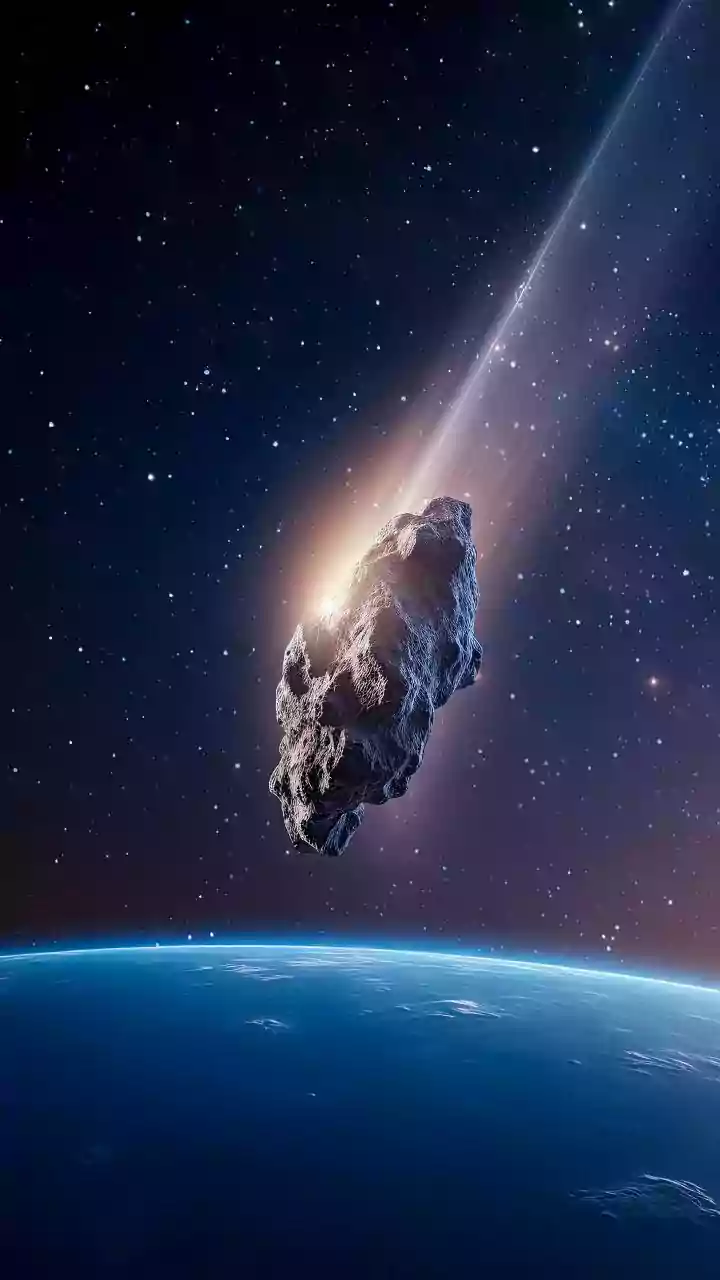
Before a meteor even has a chance to fully burn up, astronomers are already on the case. Using networks of specialized cameras and sometimes radar, scientists can triangulate a meteor's path through the atmosphere. This photographic observation allows
them to calculate its trajectory, speed, and how brightly it burns. The brightness, or light curve, helps estimate the size of the original object, called a meteoroid, which can range from a tiny grain of dust to a large boulder. By tracking its path, they can determine where it came from in the sky, which is the first step in tracing it back to its cosmic home. This data also helps predict if any part of it might survive the fiery descent and land on Earth.
A Chemical Fingerprint in Light
As a meteoroid vaporizes in the atmosphere, it heats up and glows intensely. The light it emits is a treasure trove of information. Astronomers use an instrument with a diffraction grating to split this light into its component colours, creating a spectrum. This technique, known as spectroscopy, acts like a chemical fingerprinting tool. Each element—like iron, magnesium, sodium, and silicon—burns with a unique set of colours or spectral lines. By analyzing this spectrum, scientists can determine the elemental composition of the meteoroid without ever touching it. This tells them what kind of materials were present in the part of the solar system where the meteoroid originally formed.
Tracing the Path Home: Cosmic Origins
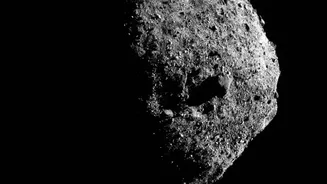
Once the trajectory is known, astronomers can rewind the clock. By calculating the meteoroid's orbit before it encountered Earth, they can trace its path back through the solar system. This often leads them to the main asteroid belt between Mars and Jupiter, the origin of most meteorites. In other cases, the orbit matches that of a known comet, indicating the meteor was part of a trail of dusty debris left behind by that comet. This is why we have predictable annual meteor showers. Some rare meteorites have even been matched to Mars or the Moon, blasted off their surfaces by ancient impacts.
The Ultimate Prize: Analysing a Meteorite
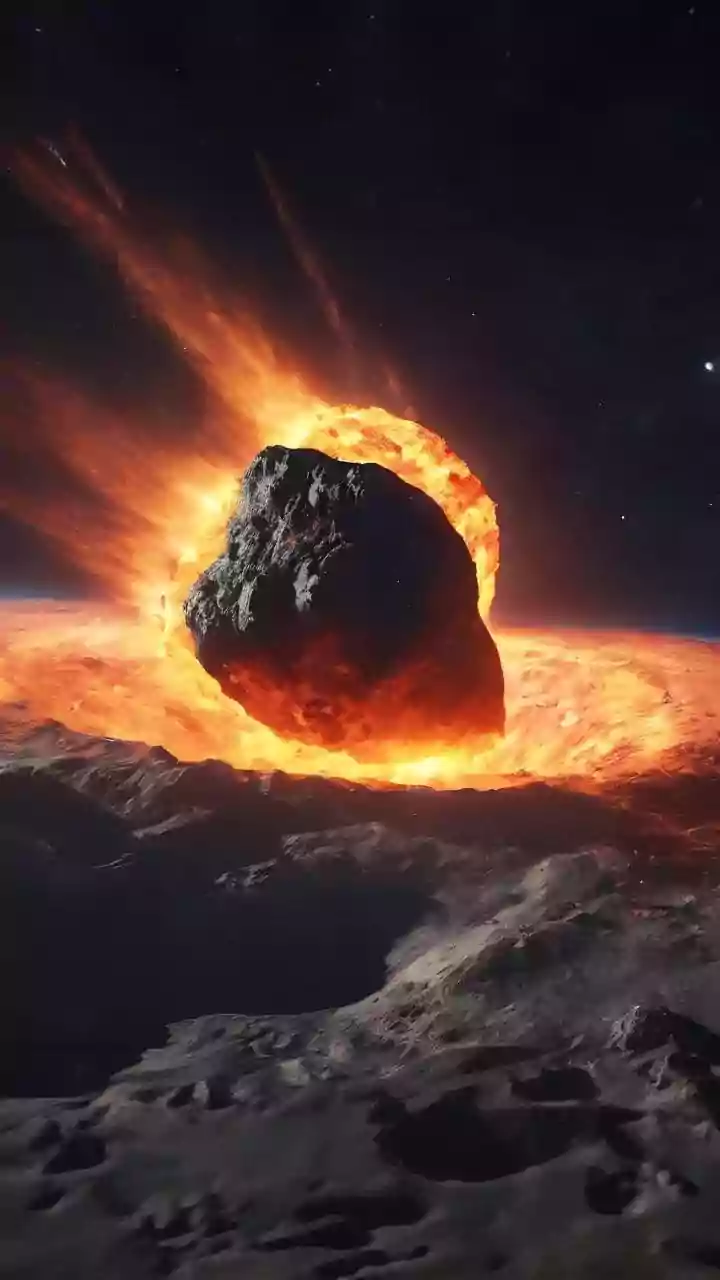
When a piece of a meteoroid survives its journey through the atmosphere and lands on Earth, it is called a meteorite. These rocks are invaluable because they allow for direct, hands-on analysis in a lab. Scientists can slice them open to study their internal structure, identifying minerals and features like chondrules—tiny, spherical grains that are among the first solid materials to have formed in the solar system. Techniques like mass spectrometry can precisely measure isotopic ratios, which helps determine the rock's age—often around 4.6 billion years, the age of the solar system itself. This analysis provides ground truth for the data collected from the meteor's flash of light.
Building the Solar System's Story
Each piece of information—trajectory, composition, orbit, and physical analysis—helps piece together the grand story of our solar system. Meteorites are essentially time capsules from when the planets were first forming. Studying them reveals the chemical mix of the early solar nebula, the processes that built planets, and how materials were distributed across space. Some meteorites even contain organic compounds and amino acids, suggesting they may have delivered some of the building blocks for life to an early Earth. Others contain 'presolar grains'—tiny particles of dust from stars that existed even before our sun, giving us clues about our galaxy's history.