







Before You Leave: Check Everything
The first rule of monsoon travel in Delhi is to be informed before you even step out. The India Meteorological Department (IMD) has been issuing regular alerts, including 'orange' and 'red' warnings for heavy rainfall across the city. Before starting
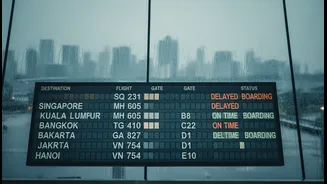
your journey, check the latest weather forecasts from the IMD and monitor the Delhi Traffic Police's social media channels and official website for real-time updates on waterlogging and congestion. Airlines like IndiGo and Air India have also been issuing advisories, urging passengers to check their flight status before heading to the airport, as adverse weather can lead to delays and diversions. A few minutes of research can save you hours stuck in traffic.
Your Best Bet: The Airport Express Metro
When the roads are submerged and unpredictable, the Delhi Metro, particularly the Airport Express Line, becomes a traveler's most reliable friend. While road traffic grinds to a halt, the metro continues to run with high punctuality. The Airport Express Line connects New Delhi Railway Station to the airport's Terminal 3 in under 20 minutes, bypassing all surface-level chaos. Even during severe flooding in the past, DMRC has maintained an impressive record of reliability, making it the smartest choice for anyone with a flight to catch. While stations like Yamuna Bank have occasionally closed entry due to flooded access roads, the core network and the Airport Line remain largely insulated from weather-related disruptions.
If You Must Drive: Know the Danger Zones
If taking a car or cab is unavoidable, extreme caution and strategic planning are necessary. Authorities have identified over 169 waterlogging hotspots across the city, with nine underpasses being particularly vulnerable. Key routes to the airport, such as NH-8, have historically faced issues with drainage, leading to significant water accumulation near Mahipalpur and Aerocity. Other known problem areas include stretches of the Ring Road, the Zakhira underpass, and areas around Pul Prahladpur. Based on traffic police data from previous years, hundreds of hotspots are being monitored. It's crucial to use real-time traffic apps like Google Maps to navigate around the worst-affected areas, but even then, expect significant delays.
Give Yourself a Generous Time Buffer
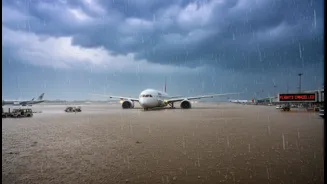
This is not the time for just-in-time travel. The golden rule for airport commutes during the monsoon is to leave much earlier than you normally would. What might be a one-hour journey on a clear day can easily stretch to three or four hours during a downpour. Heavy rains have already caused major flight disruptions this season, with numerous flights diverted from Delhi due to bad weather. In neighbouring Gurugram, authorities have repeatedly advised companies to allow employees to work from home to reduce traffic congestion during heavy rain alerts. This highlights the severity of the situation. Factoring in a significant time buffer isn't just a suggestion; it’s essential to avoid the stress of missing a flight.
Pack Smartly for a Soggy Commute
Your travel planning shouldn't end with routes and transport. A smart commuter is a prepared one. Ensure your phone is fully charged and consider carrying a power bank, as you might need it for navigation and communication during long delays. Keep a sturdy umbrella and waterproof bags for your electronics and important documents. If you're driving, ensure your car is in good condition, with functional wipers and tyres with good grip. Given the reports of uprooted trees and other hazards, it's also wise to have emergency contact numbers readily available. Small preparations can make a huge difference in managing the stress and unpredictability of a monsoon journey.