
What Exactly Are Millets?
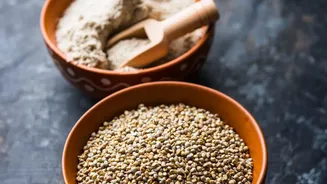
Millets are a group of small-seeded grasses that have been cultivated for thousands of years. Long before wheat and rice dominated our plates, millets were a staple food across India. They are known for being hardy crops that grow well in dry conditions.
In India, millets are often classified into two groups: major millets and minor millets. Major millets like Jowar (sorghum), Bajra (pearl millet), and Ragi (finger millet) are widely grown and commonly used as flours. Minor millets, which are smaller in size, include foxtail, little, and kodo millets, and are often cooked whole, much like rice.
Why You Should Try Them
The renewed interest in millets stems from their impressive nutritional profile. They are a great source of dietary fibre, which supports healthy digestion. Many varieties are rich in essential minerals; for instance, ragi is celebrated for its high calcium content, while bajra is a good source of iron. Being naturally gluten-free, they are an excellent choice for those with celiac disease or gluten sensitivity. Furthermore, millets have a low glycemic index, which helps in managing blood sugar levels by preventing sudden spikes after a meal. Their high antioxidant content also helps protect the body's cells from damage.
Cooking with Whole Millet Grains
Cooking with whole millets, especially the 'minor' varieties like foxtail, little, and kodo millet, is as simple as cooking rice. The first step is to rinse the grains thoroughly. Some cooks prefer to soak them for a few hours to improve digestion and speed up cooking time. The key to fluffy, well-cooked millet is the water ratio. A general starting point is a 1:2 ratio of millet to water, but this can vary. For a firmer, pilaf-like texture, use less water; for a softer, porridge-like consistency, use more. You can cook them in an open pot, a pressure cooker, or a rice cooker. Once cooked, you can use these grains as a substitute for rice, in salads, or to make dishes like upma and khichdi.
A Guide to Common Millet Flours
The 'major' millets—Jowar, Bajra, and Ragi—are most frequently used in flour form in Indian kitchens. These flours are the base for many traditional flatbreads. Jowar flour creates soft, light-coloured rotis known as 'bhakri'. Bajra flour, with its slightly nutty and earthy taste, is used for denser rotis that are especially popular in winter. Ragi flour, a brownish-red flour, is used to make nutritious dosas, puddings, and rotis. When working with these gluten-free flours, using warm or hot water is crucial to bind the dough properly and make it easier to handle. Don't worry if your first few rotis aren't perfectly round; patting the dough by hand is a traditional and effective method.
Easy Ways to Get Started
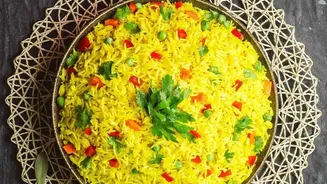
The best way to start is by making simple swaps. Try replacing a portion of rice with cooked foxtail millet in your next pulao. For breakfast, make a simple porridge with ragi flour, milk, and a touch of jaggery for sweetness. If you're making rotis, you can begin by mixing a small amount of millet flour (like jowar or bajra) with your regular wheat flour to get accustomed to the taste and texture. Another easy entry point is to add a few spoonfuls of ragi flour to your regular dosa or idli batter for an extra nutritional boost. The idea is to incorporate them gradually into meals you already love.