


Why July Is a Tipping Point
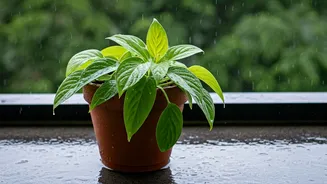
For plant lovers across India, the arrival of the monsoon feels like a blessing after a harsh summer. While the rain brings relief and encourages lush growth, it also introduces a host of challenges for potted plants. July, in particular, is a critical
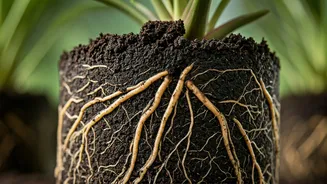
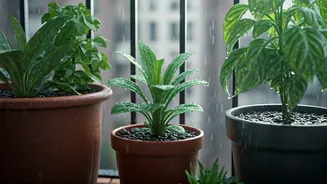
month. The combination of heavy, frequent showers and high humidity creates a demanding environment. Unlike plants in the ground, balcony containers have a finite capacity to handle water. Heavy rainfall can quickly lead to waterlogged soil, where water fills all the air pockets that roots need to breathe. This suffocates the roots, creating a perfect breeding ground for fungal diseases like root rot, which can be fatal. Furthermore, constant rain can compact the soil, pressing particles together and forming a hard crust that prevents both air and water from penetrating properly. It also leaches essential nutrients out of the potting mix, leaving your plants hungry and weak. This is why a simple soil and drainage check now is the best defence against problems later.
Reading the Soil’s Story
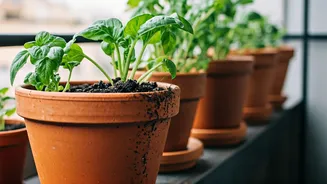
Your soil tells you exactly what it needs, if you know how to look. The first and easiest check is the 'finger test'. Before watering, push your finger about an inch into the soil. If it feels dry, it's time to water. If it feels damp or soggy, hold off, especially if more rain is forecast. Look for physical signs of trouble. Is the soil pulling away from the sides of the pot? This is a classic sign of compaction, where the soil mass has become dense and shrinks as it dries unevenly. Another red flag is water that pools on the surface for several seconds before soaking in, indicating the top layer has become sealed. You might also notice a white, crusty residue on the soil surface or the outside of terracotta pots, which can be a sign of salt buildup from poor drainage. Yellowing leaves are another common distress signal, often pointing to either overwatering or a lack of nutrients, both of which are linked to poor soil health in the monsoon.
The Critical Drainage Check
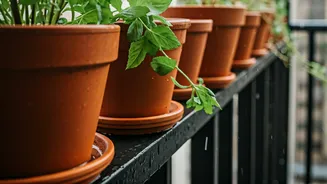
Proper drainage is non-negotiable for container gardens, especially during the rainy season. Every pot must have at least one, and preferably multiple, drainage holes at the bottom to allow excess water to escape. Begin by lifting your pots. If one feels unusually heavy for its size, the soil is likely saturated. A key pre-monsoon task is to ensure these holes are clear. They can easily get blocked by compacted soil or roots. Use a stick or a screwdriver to gently poke through the holes from the outside to dislodge any blockages. If you've watered a plant thoroughly and no water emerges from the bottom, you have a drainage problem. Another tell-tale sign of waterlogging is a sour or foul smell coming from the soil, which indicates that roots may be starting to rot in the anaerobic conditions. Don't let your plants sit in trays or saucers filled with water; always empty them after watering or a heavy rain shower.
Quick Fixes for Common Problems
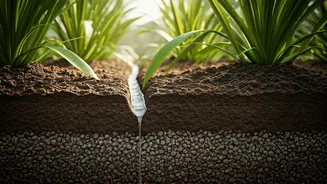
If you spot a problem, acting quickly can save your plant. For compacted soil, aeration is the answer. Gently poke several deep holes into the soil using a chopstick or a thin bamboo skewer, being careful to avoid the main root ball. Wiggle it slightly to create channels that allow air to reach the roots and help trapped water evaporate. For a waterlogged pot, your first move is to tilt it to help excess water drain out. Move the plant to a sheltered spot, away from direct rain, to let it dry out. You can also try raising the pot off the ground by placing it on bricks or pot feet. This simple step dramatically improves airflow underneath the pot and ensures water can drain freely. In a severe case where the soil is completely saturated and smells bad, you may need to perform an emergency repotting. Carefully remove the plant, gently prune any dark, mushy roots, and repot it in fresh, well-draining potting mix.
Building Long-Term Health
The best way to handle July's challenges is through prevention. When potting plants, always start with a high-quality, well-draining potting mix. Avoid using heavy garden soil, which compacts easily in pots. Instead, choose mixes containing materials like cocopeat, perlite, or vermiculite, which create a light, airy structure. Applying a layer of organic mulch, like shredded bark, can also help regulate moisture and prevent the topsoil from forming a hard crust. Make soil aeration a regular part of your care routine, not just a fix for emergencies. Gently loosening the topsoil every few weeks keeps it from hardening. Taking these proactive steps ensures your balcony garden not only survives the monsoon but actively thrives, rewarding you with vibrant and healthy growth throughout the season.