








The Source of the 5.4% Figure
The 5.4% unemployment rate comes from the Periodic Labour Force Survey (PLFS) for the first quarter of the 2026-27 fiscal year, covering April to June 2026. This survey is conducted by the National Statistical Office (NSO), under the Ministry of Statistics
and Programme Implementation, and serves as the primary source of official employment data in India. The figure represents the percentage of people aged 15 and above in the labour force who were without work but were available for and actively seeking employment. This recent data indicates a rise in joblessness, reaching a four-quarter high.
An Increase From Previous Quarter
The 5.4% unemployment rate marks an increase from the 5.0% recorded in the preceding quarter (January-March 2026). This uptick suggests a moderation in the job market during this period. The rate is identical to what was seen in the same quarter of the previous year (April-June 2025), indicating that while there was a quarterly increase, the year-on-year situation remains stable. Such fluctuations are common and are analysed by economists to understand the short-term dynamics of the economy.
The Rural-Urban Divide
The national average of 5.4% masks significant differences between India's rural and urban areas. For the April-June 2026 quarter, the urban unemployment rate was 6.7%, while the rural unemployment rate was lower at 4.8%. Both figures saw an increase from the previous quarter, when rural unemployment was 4.3% and urban was 6.6%. The persistently higher rate in urban centres often points to challenges in absorbing the influx of job seekers in cities and the nature of industrial and service-sector employment.
Spotlight on Gender and Youth
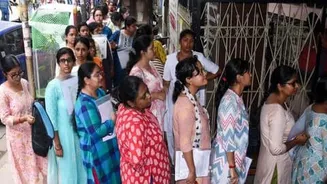
Diving deeper, the data reveals specific challenges for women and young people. The unemployment rate for females rose to 5.7%, while for males it was 5.3%. The situation is particularly acute for young women. Female youth unemployment (ages 15-29) surged to a series-high of 19.6% in the April-June quarter. Overall youth unemployment also jumped to 15.9%, the highest in the current PLFS series. These figures highlight a critical area of concern, indicating that younger entrants to the workforce, especially women, are facing the toughest conditions in their job search.
More Than Just Unemployment Rate
To get a full picture, it's crucial to look beyond just the unemployment rate and consider the Labour Force Participation Rate (LFPR). The LFPR measures the share of the working-age population that is either employed or actively seeking work. During the April-June 2026 quarter, the overall LFPR fell to 54.6% from 55.5% in the previous quarter. This decline, particularly a sharper fall in rural LFPR, suggests that fewer people were actively participating in the job market. A falling LFPR can sometimes artificially lower the unemployment rate because if people stop looking for jobs, they are no longer counted as 'unemployed'.
What It Means for India
The rise in the unemployment rate to 5.4%, coupled with a decline in labour force participation, presents a mixed and complex picture of the Indian economy. While some metrics like the increased share of regular salaried employees show positive structural shifts, the rising joblessness among the youth and women is a significant challenge. These statistics are more than just numbers; they influence policy decisions, shape public sentiment, and reflect the economic reality for millions of households. Policymakers will be closely watching these trends to formulate strategies that can stimulate job creation, improve employability, and encourage greater participation in the workforce, especially among women and young Indians.