




The Craving We All Know
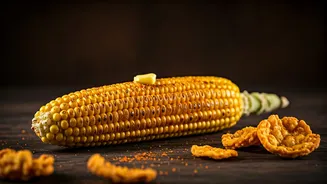
What is it about the rain that makes us yearn for fried food? While there are many contenders for the monsoon throne—from piping hot samosas to roasted bhutta (corn on the cob) smeared with lime and masala—the undisputed champion of this seasonal craving
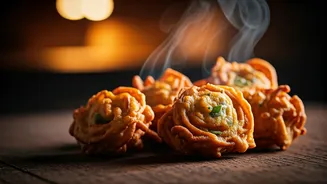
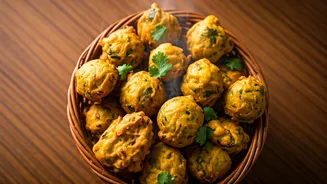
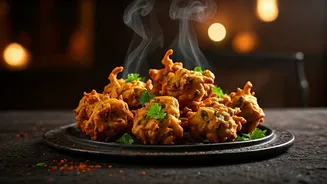
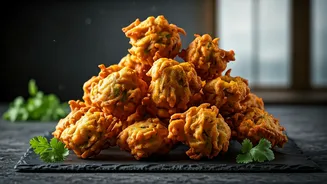
is the pakora. In all its glorious forms, this humble fritter is the taste of the Indian monsoon. The sound of batter sizzling in hot oil becomes the perfect percussion to the rhythm of falling rain. It’s a multi-sensory experience that is deeply ingrained in our collective consciousness. Some turn to Ayurvedic logic, suggesting the body seeks warming, oily foods to balance the damp, cool 'Vata' dosha aggravated by the season. Others point to a simpler truth: on a gloomy, wet day, nothing provides comfort quite like a plate of freshly fried, steaming hot snacks shared with loved ones.
A Universe in a Fritter
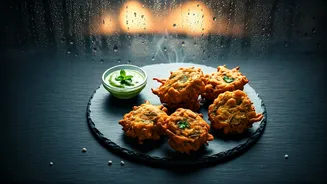
To call it just a ‘pakora’ is a vast oversimplification. The beauty of this snack lies in its infinite variety, a testament to India's culinary diversity. In the north, fluffy bread pakoras, stuffed with a spiced potato mixture, are a breakfast staple. Travel west, and you’ll find the classic kanda bhaji (onion pakora) of Maharashtra, its stringy, caramelised sweetness a perfect foil to spicy green chutney. In the south, you might find chunks of raw banana (vazhakkai bajji) or fiery green chillies (milagai bajji) dipped in chickpea flour batter and fried to golden perfection. From palak (spinach) pakoras that turn leafy greens into crunchy delights, to paneer pakoras that offer a soft, melting centre, there is a version for every palate and every kitchen. This adaptability is key to its universal appeal; it’s a recipe that invites improvisation, using whatever is fresh and available.
More Than Just a Snack
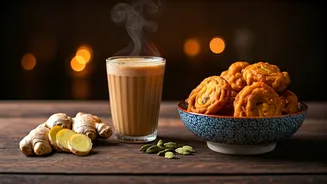
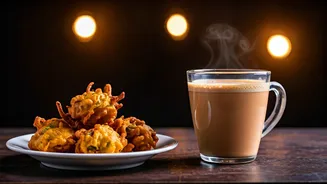
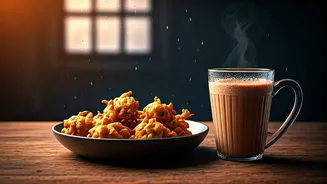
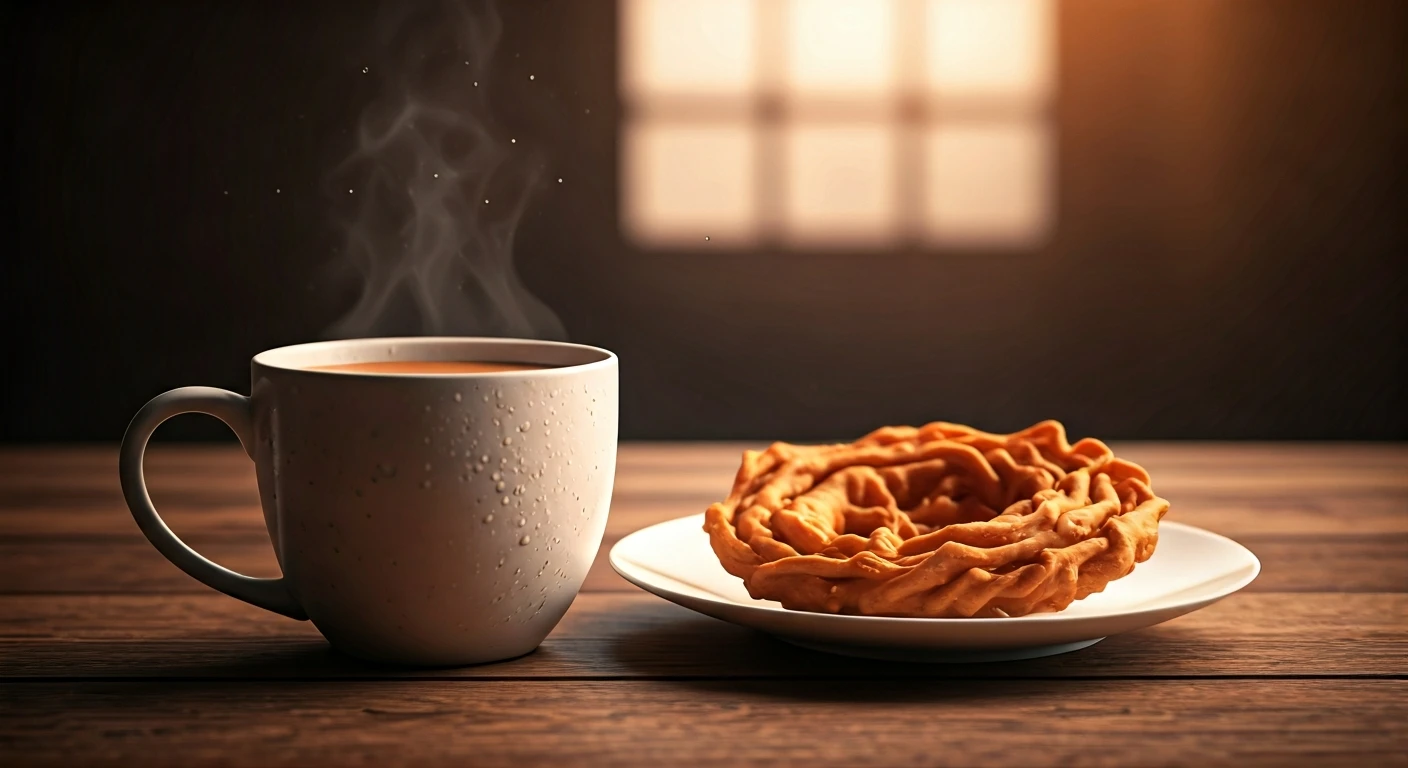
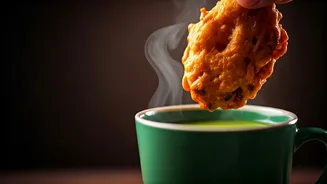
The pakora’s true power, however, lies beyond its taste and texture. It is a social food, a catalyst for connection. It’s the snack your mother makes unprompted when the first heavy shower begins. It’s the plate passed around among colleagues in the office canteen, a brief, delicious respite from a workday dampened by the downpour. It is inextricably linked with another Indian institution: chai. The pairing of hot, spicy pakoras with a cup of sweet, milky masala tea is not just a culinary match made in heaven; it’s a ritual. This combination signals a moment to pause, to gather, and to watch the world get washed clean from a window or a balcony. It transforms a simple weather event into an occasion for warmth, conversation, and community.
A Bite of Nostalgia
Ultimately, the love for the monsoon pakora is rooted in nostalgia. For many, the taste is synonymous with childhood, with days off from school due to waterlogging, spent huddled inside playing board games while the aroma of frying filled the house. It’s a flavour that transports us back to simpler times. Each crunchy bite is a taste of home, a reminder of the simple, profound joys that a change in season can bring. It’s proof that the most enduring traditions are often the simplest ones—a humble batter, a few spices, and the magic of a rainy day. This connection to memory and emotion is what elevates the pakora from a mere snack to a cultural touchstone, a staple that isn’t just widely liked, but deeply loved.