

How Jewellers Value Your Old Gold
When you take old jewellery for an exchange, the first step is valuation. A jeweller assesses its worth based on purity and weight. Purity is measured in karats (like 22K or 18K), and most reputable jewellers use an X-Ray Fluorescence (XRF) machine for an accurate
reading. The item is then weighed. The final value is calculated by multiplying the net weight of pure gold by the day's gold rate. However, the rate offered for old gold is often slightly lower than the rate for buying new gold. It's crucial to remember that you will not get any value for the stones or gems in your old jewellery, as their weight is deducted from the total. Some jewellers may need to melt the jewellery to test its purity, especially if it's not hallmarked or was bought elsewhere.
The Convenience of Exchanging
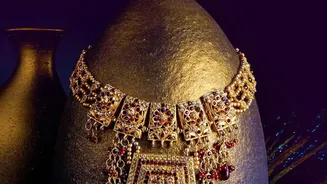
The biggest advantage of exchanging is convenience. It’s a one-stop transaction where you trade in an old item and walk out with a new one, paying only the difference. This process is especially smooth if you return to the same jeweller from whom you originally purchased the piece. Many jewellers also offer promotions during festive seasons, such as waiving or discounting the making charges on the new jewellery when you exchange an old piece. This can make the deal feel more attractive. For those looking to simply upgrade an outdated design or a damaged item for something more modern, an exchange offers a straightforward path.
The Hidden Costs: Wastage and Making Charges
This is where an exchange can become less profitable. Jewellers almost always deduct certain charges from the value of your old gold. One common fee is a 'wastage' or 'melting' charge, which can range from 2% to 6% or more. This is meant to cover the small amount of gold supposedly lost during the melting and refining process. Furthermore, the 'making charges' you paid on the old jewellery are lost forever; they have no resale value. When you select a new piece, it comes with its own set of making charges, which can be anywhere from 6% to over 25% of the gold's value. These combined deductions mean the value you receive for your old gold is often significantly less than its market price.
When Selling for Cash Is the Smarter Move
Selling your old gold for cash might be a better option in several scenarios. The primary benefit is liquidity and flexibility. With cash in hand, you are not tied to a single jeweller’s collection and can shop around for the best designs and lowest making charges elsewhere. Some analyses suggest that selling to a dedicated gold buyer (who doesn't sell jewellery) can yield a better price, as their business model is based on volume and they may have fewer deductions. If you need money for other purposes, selling is the obvious choice. It allows you to unlock the full cash potential of your asset without being forced into another jewellery purchase.
Your Pre-Decision Checklist
Before you head to the jeweller, run through this checklist to ensure you get the best deal: 1. Get Multiple Quotes: Don't settle for the first offer. Visit at least two to three different jewellers to compare their valuation methods and the final price they offer for your old gold. 2. Ask for a Detailed Breakdown: Insist on an itemised bill that clearly shows the gross weight, stone weight, net gold weight, purity assessment, the rate applied, and all deductions like wastage or melting charges. 3. Check the Hallmark: When buying a new piece, ensure it has the Bureau of Indian Standards (BIS) hallmark, which guarantees its purity. The mark consists of the triangular BIS logo, a purity grade (e.g., 22K916), and a six-digit alphanumeric code. 4. Negotiate Making Charges: The making charges on new jewellery are often negotiable, especially if you are a cash buyer. Don't hesitate to ask for a better rate. 5. Consider Emotional Value: If a piece has sentimental value, consider redesigning it instead of selling or exchanging it. Many jewellers offer services to rework old pieces into new, modern designs.