






The End of Predictable Seasons
For generations, the Indian travel calendar was reliable: head to the hills in summer to escape the heat, and visit the beaches between October and February to avoid the monsoon. That rhythm is now fracturing. Recent years have seen extreme weather events
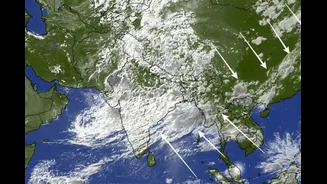
become near-constant rather than seasonal occurrences. Heatwaves are arriving earlier and lasting longer, with temperatures soaring into the mid-40s Celsius across many parts of the country. Simultaneously, monsoons have become unpredictable, with some regions experiencing prolonged dry spells while others face sudden, intense downpours leading to flash floods and landslides. This volatility, from the Himalayas to the coasts of Kerala, means the traditional concept of an ideal travel window is becoming a myth, forcing a fundamental change in how we plan our getaways.
Flexibility Is the New Itinerary
In response to this unpredictability, Indian travellers are abandoning rigid schedules for a more adaptive approach. According to a recent Skyscanner report, while 77% of Indians are confident about travelling, they are doing so with greater caution and flexibility. Many are now waiting until much closer to their travel dates to book, allowing them to make decisions based on more reliable, short-term weather forecasts. This trend towards spontaneous trips and last-minute bookings is growing, with some reports noting that weekend staycations are often booked the same Friday. Instead of locking in a destination months ahead, travellers are increasingly willing to switch locations to find better weather or value, prioritising the experience over a fixed pin on a map.
A Shift Towards 'Coolcations' and Offbeat Paths
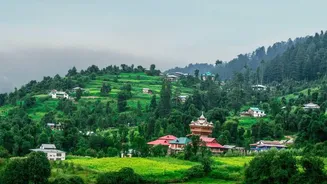
The rising heat is directly influencing destination choices. Soaring temperatures in popular tourist spots like Rajasthan and Mysore have led to a significant dip in visitor numbers during hotter months. In response, there is a growing trend of 'coolcations'—travellers actively seeking out destinations with cooler climates. This has caused a surge in tourism to high-altitude regions in Himachal Pradesh, Uttarakhand, and the Northeast. However, this shift brings its own challenges, including the risk of over-tourism in fragile ecosystems. Alongside this, many travellers are now deliberately avoiding crowded tourist hotspots in favour of quieter, lesser-known destinations, travelling during off-peak seasons to escape both the crowds and the extreme weather.
Smarter Packing and Planning
The days of packing for a single climate are over. With weather conditions capable of turning on a dime, smart preparation is essential. For a trip to the mountains, this now means packing for rain and potential landslides, not just cool weather. For coastal or plains destinations, it involves being ready for both extreme heat and sudden thunderstorms. Travellers are advised to keep buffer days in their schedules to account for potential disruptions, especially in areas prone to landslides or flooding. Monitoring daily weather updates via reliable apps and local advisories has become a non-negotiable part of the daily travel routine, allowing for agile changes to sightseeing plans, such as scheduling outdoor activities for cooler morning or evening hours.
The Rise of 'Cancel for Any Reason' Insurance
With heightened risks of disruption, travel insurance is no longer an afterthought but a crucial planning tool. More travellers are now considering policies that offer coverage for trip cancellations and delays due to unforeseen weather events. Standard travel insurance often covers disruptions caused by bad weather, natural disasters, or airline issues, reimbursing non-refundable costs for flights and hotels. Given the increasing unpredictability, some travellers are looking towards more comprehensive plans, sometimes dubbed 'cancel for any reason' policies, which provide greater flexibility. This financial safety net provides peace of mind, ensuring that an investment in a holiday isn't lost to a sudden heatwave or flash flood.