








Why Good Drainage is Non-Negotiable
Think of plant roots like lungs. They need to breathe. When soil is constantly waterlogged, the tiny air pockets that roots rely on for oxygen disappear. This creates an anaerobic (oxygen-free) environment, which is the perfect breeding ground for fungi
and bacteria that cause root rot. In essence, the roots begin to suffocate and decay. This is why a plant can look thirsty—wilting and drooping—even when its soil is soaking wet. The damaged roots can no longer absorb water or nutrients, leading to a slow, frustrating decline. Good drainage isn't just about preventing floods; it's about creating a healthy, breathable foundation for your entire garden.
Reading the Telltale Signs
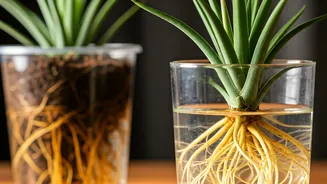
Your plants will tell you when they’re struggling with poor drainage. The most common sign is yellowing leaves (chlorosis), especially lower ones, that feel soft and limp, not dry and crispy. You might also notice stunted growth, where a plant just refuses to get bigger, or wilting even when you’ve just watered it. Take a look at the soil surface. Is there a green film of moss or algae growing? That’s a clear indicator of soil that stays wet for too long. If you’re brave enough to gently de-pot a struggling plant, you can check the roots directly. Healthy roots are firm and white or light-coloured. Rotted roots are brown, mushy, and may even smell sour or swampy.
Solutions for Pots and Containers
For the millions of us gardening on balconies and in small urban spaces, container drainage is everything. First, always check for drainage holes. If your beautiful pot doesn't have them, you must drill them yourself or use it as a decorative outer pot (a cachepot) with a functional nursery pot inside. Second, resist the old, mistaken advice to put a layer of gravel or stones at the bottom. This actually creates a 'perched water table,' forcing water to pool in the soil *above* the gravel layer, right where the roots are. The best solution is a high-quality, well-draining potting mix. Amend standard potting soil with materials like cocopeat, perlite, or coarse sand to improve its structure and prevent compaction.
Fixing In-Ground Garden Beds
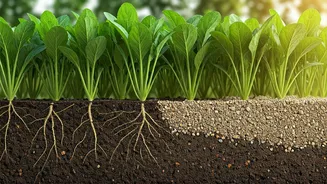
If you’re working with garden beds, especially those with heavy clay soil common in many parts of India, improving drainage is a game-changer. The single most effective thing you can do is amend your soil with organic matter. Generously mix in compost, aged manure, or leaf mould. These materials improve soil structure, creating channels for air and water to move through. For areas that face heavy monsoon downpours or are naturally low-lying, consider building raised beds. Elevating the growing area by just 15-30 cm above the ground level can dramatically improve drainage, lifting your plants' roots out of the soggy danger zone and giving you complete control over the soil composition.
Watering Smarter, Not Harder
Ironically, fixing your drainage also makes you better at watering. When soil drains well, it’s much more forgiving. You can water deeply and thoroughly, confident that the excess will flow away, encouraging roots to grow deep and strong. With poor drainage, you are constantly trying to micro-manage moisture, risking rot with every pour. A simple test is the finger test: stick your finger about an inch into the soil. If it feels dry, it's time to water. If it's damp, wait another day. Good drainage allows this simple, effective method to work perfectly, taking the guesswork out of your routine.