




What Is the New UK eVisa?
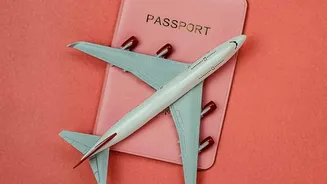
The UK has shifted its visa system to be entirely digital for all applicants, including those from India. Instead of a physical sticker (vignette) being placed in your passport, your permission to travel is now a secure digital record called an eVisa.
This eVisa is linked electronically to your passport and stored in an online account with UK Visas and Immigration (UKVI). The application process itself remains familiar: you'll still apply online, provide documents, and attend a Visa Application Centre to give your biometric information (fingerprints and photo). The key difference is the outcome. Upon approval, you will not receive a sticker but a notification to access your digital visa online.
Your New Pre-Flight Digital Checklist
With this new system, the responsibility shifts to the traveller to ensure their digital house is in order before leaving for the airport. Airlines will verify your status electronically before you board. If there's a discrepancy, you could be denied boarding. Before any trip, you must log into your UKVI account and confirm a few key details. First, verify that your name, date of birth, and photograph are correct. Most importantly, ensure your eVisa is linked to the exact passport you will be travelling with. If you've renewed your passport since the visa was granted, you must update this information in your UKVI account before you travel.
How to Access and Manage Your eVisa
To view your eVisa, you need a UKVI account. You may already have one if you've used the ‘UK Immigration: ID Check’ app or applied for a visa online in the recent past. Once your visa is granted, you will need to create or sign in to your account. You will likely use the ID Check app to verify your identity and link your eVisa to your account. It's crucial to avoid creating duplicate accounts. Each family member, including dependent children, must have their own individual UKVI account to view their eVisa. This account is your single source for managing your immigration status.
Common Pitfalls and How to Avoid Them
The biggest risk in this new digital-first world is a mismatch of information. A simple typo in a name or passport number can cause significant delays or prevent travel. Always double-check your application details. Another common issue is travelling with a different passport than the one linked to your eVisa. Even if your old passport is still valid, if your eVisa is linked to your new passport, you must travel with the new one. Finally, don't wait until you're at the check-in desk to think about your eVisa. Make it a habit to log into your UKVI account a few days before you fly to confirm everything is correct and that you can access your status.
The Benefits of a Fully Digital System
While it introduces a new pre-travel check, the move to eVisas offers significant advantages. A digital visa cannot be lost, stolen, or tampered with, providing greater security. It streamlines the process, as you no longer need to submit your physical passport for a sticker to be added. This shift is part of a broader global trend to modernise borders, allowing authorities to conduct pre-screening and eventually enabling a more seamless, contactless travel experience. The change comes as travel between India and the UK is booming, with over 500,000 visas granted to Indian nationals in the year ending March 2026.