
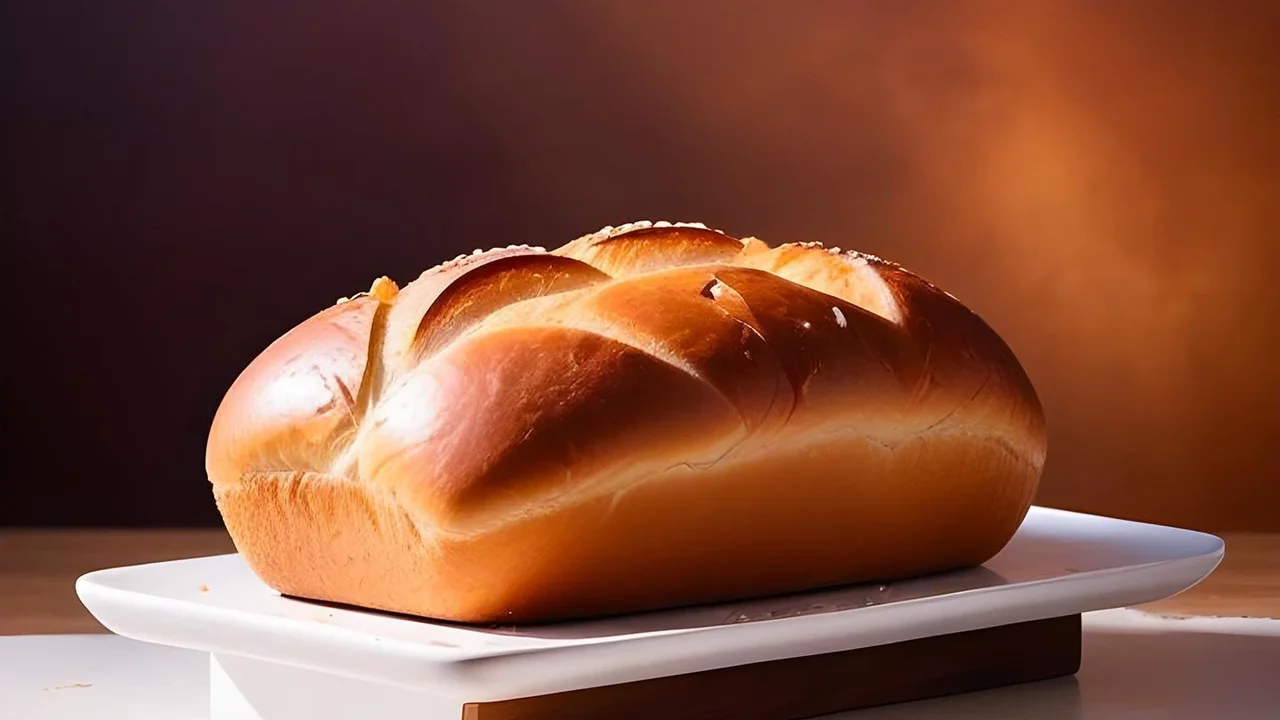
What is Shokupan?
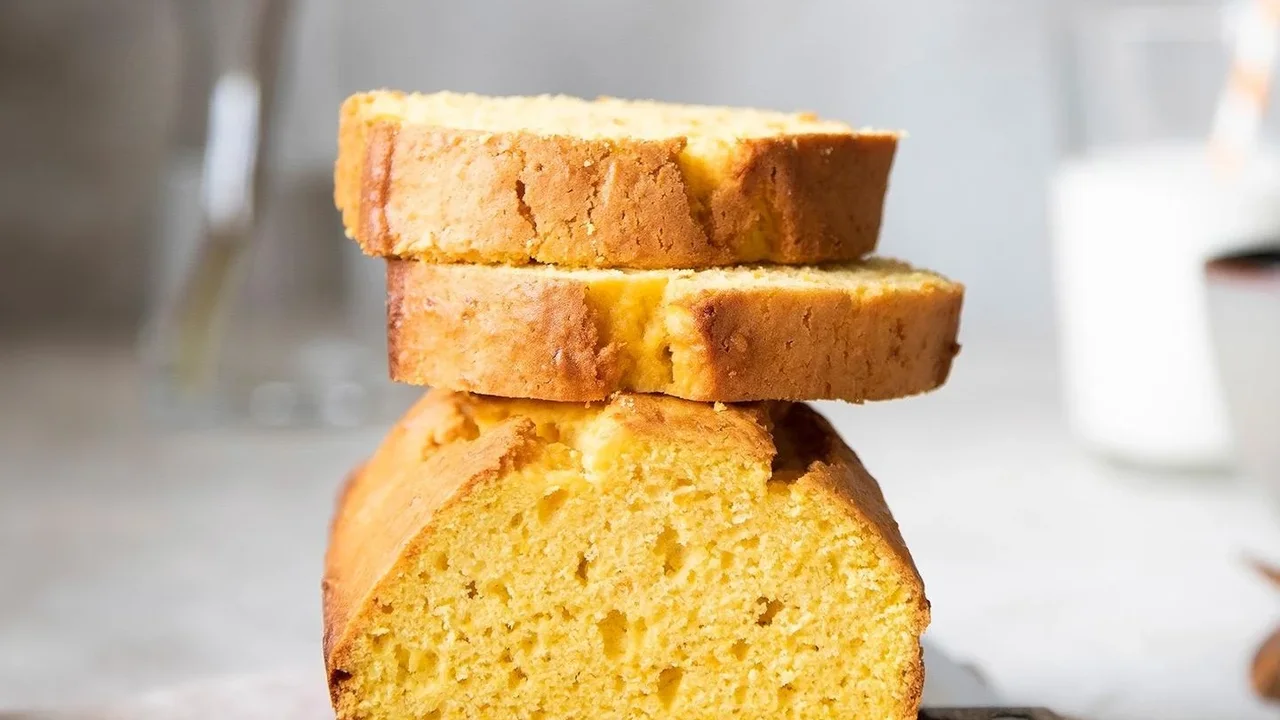
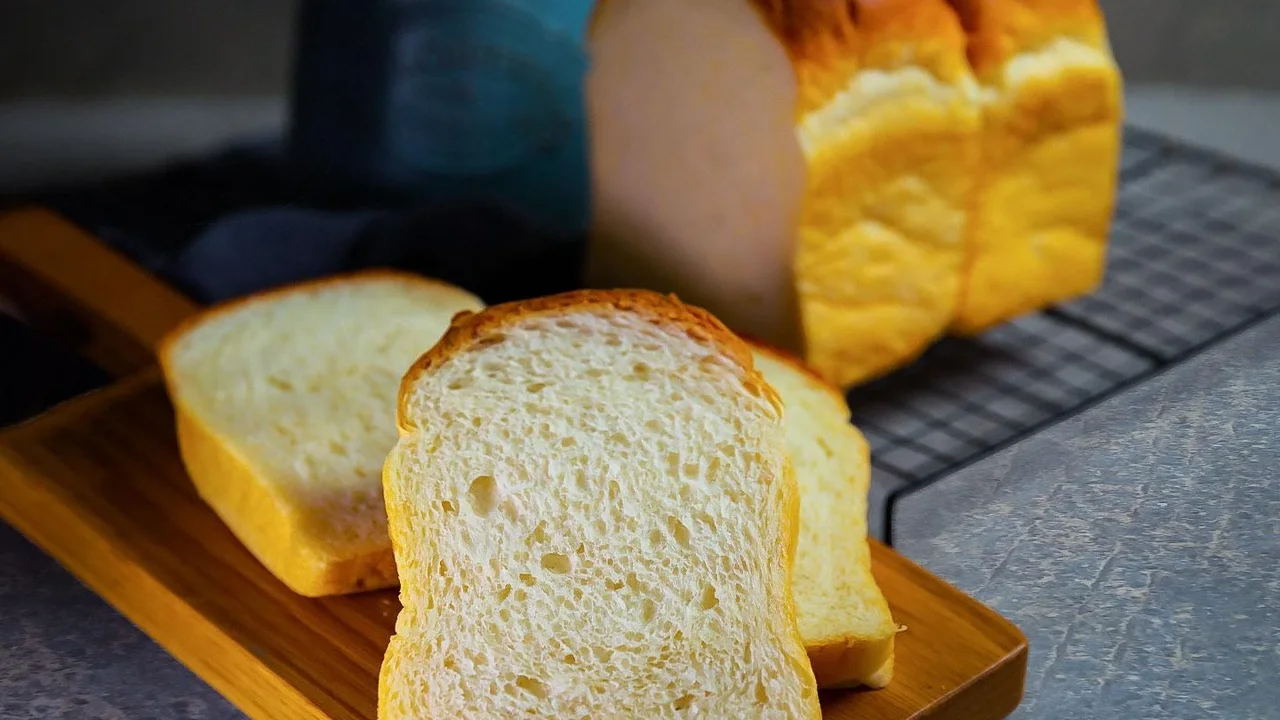
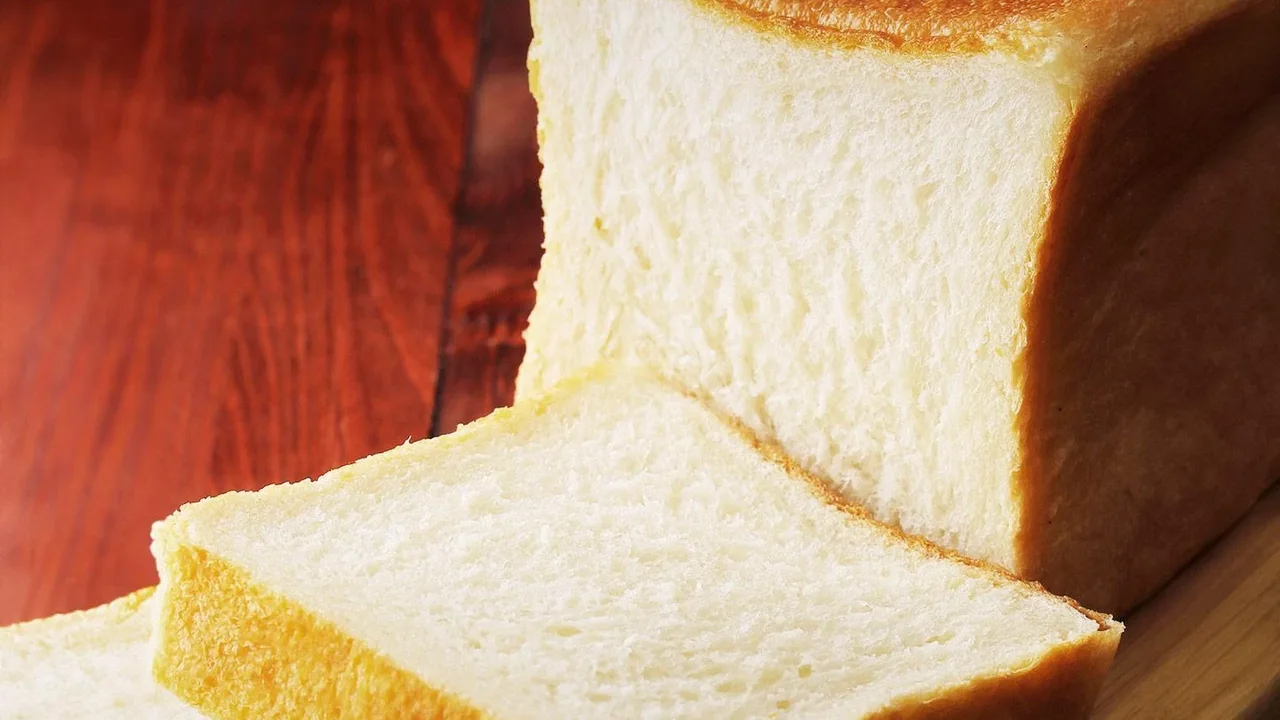
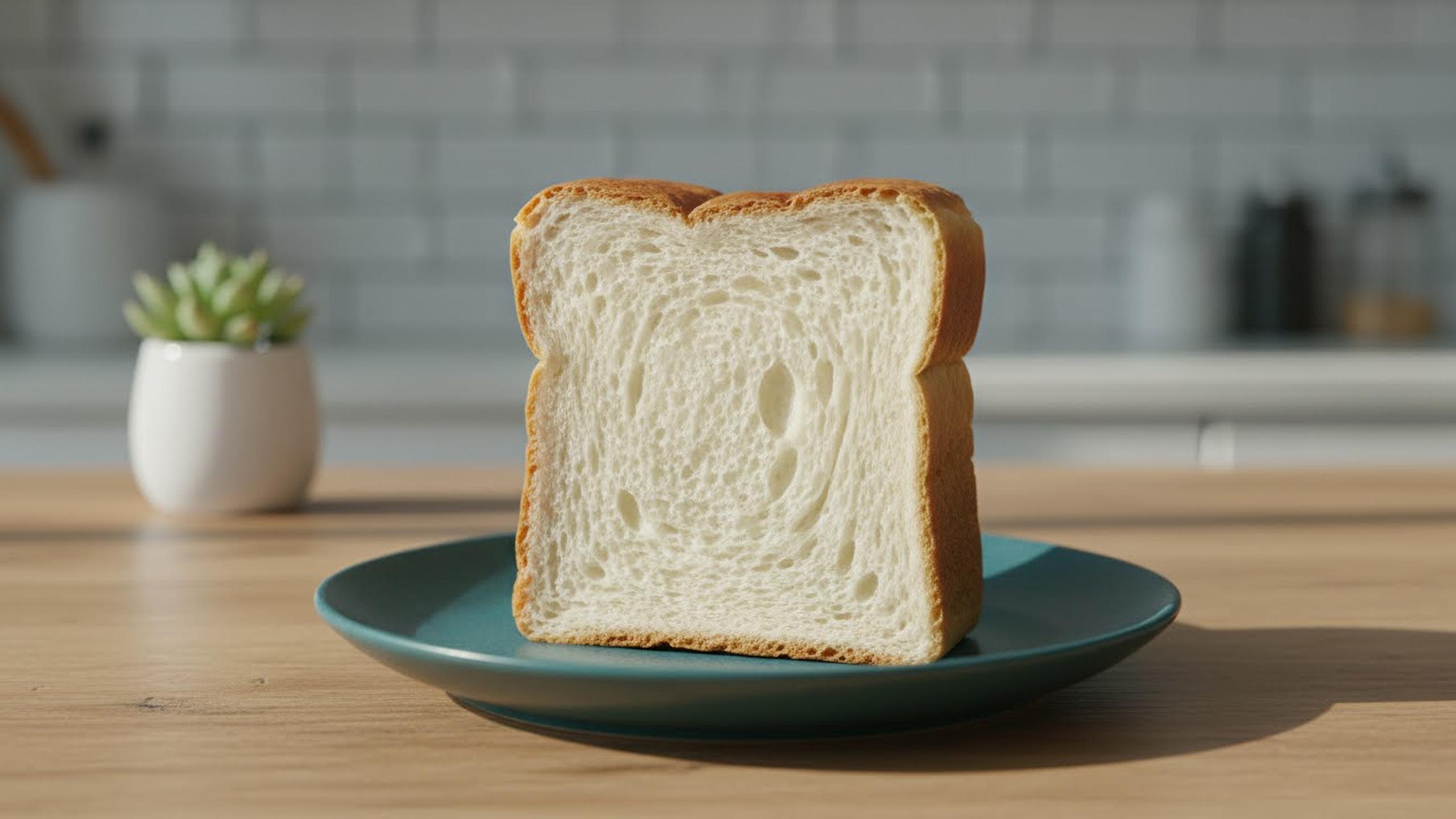
At its heart, shokupan is Japanese white bread, but comparing it to a standard sandwich loaf is like comparing a luxury sedan to a skateboard. Known for its feathery-soft, pillowy interior and a subtly sweet, milky flavour, shokupan is a staple in Japan.
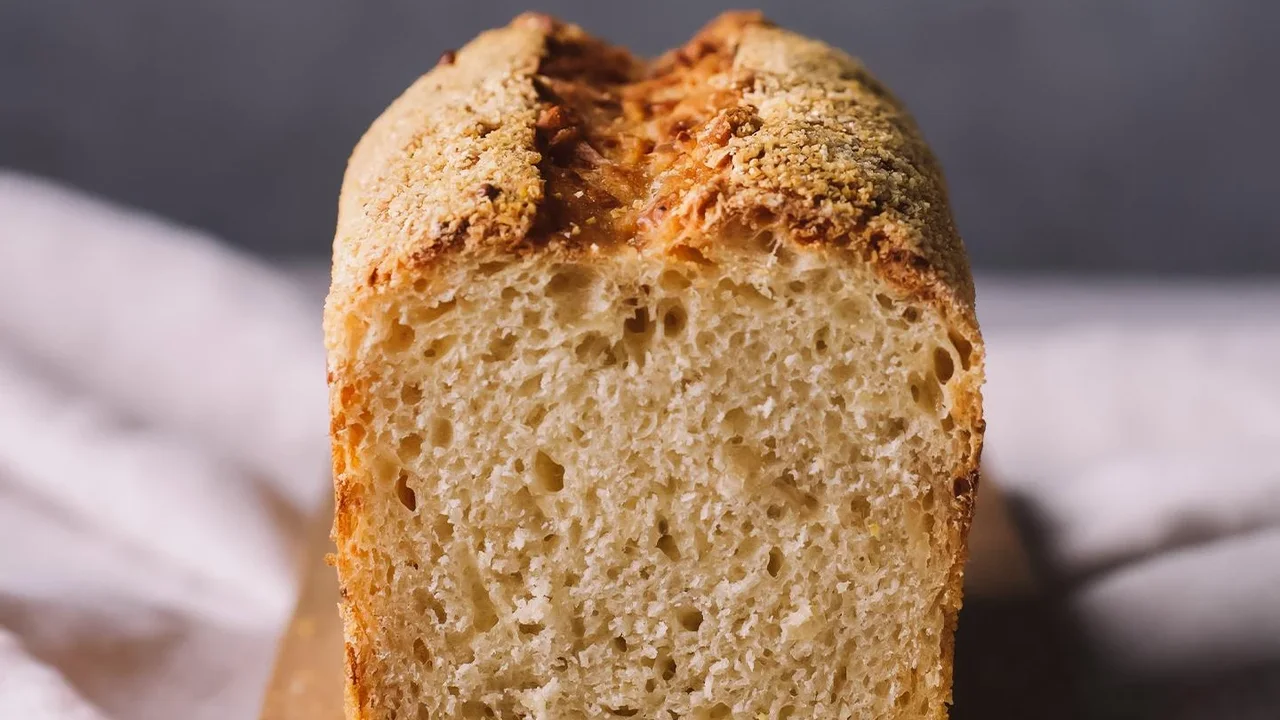
It's often sold in impressively thick slices, which highlights its unique texture—a springy, bouncy quality that’s sometimes described as 'mochi-mochi'. Unlike the airy, crusty profile of many Western breads, shokupan has a fine, tight crumb and a tender crust, making every bite feel rich and satisfying without being heavy.
The Secret to Ultimate Softness
The magic behind shokupan's signature texture lies in a special technique known as tangzhong or yudane. This method involves pre-cooking a small portion of the recipe's flour and liquid (water or milk) to create a thick paste, or roux. This process, called gelatinization, allows the flour to absorb and hold onto significantly more moisture. When this paste is added to the main dough, it results in bread that is incredibly moist and tender. This high moisture content is the key to its cloud-like crumb and also gives it a longer shelf life, as the bread stays soft and fresh for days longer than conventional loaves.
A Craving for Comfort
The global rise of shokupan isn't just about a clever baking technique; it taps into a deeper, universal desire for comfort. Its texture is nostalgic and soothing, evoking a sense of care and indulgence. In a culinary world often focused on bold flavours, intense textures, and complex profiles, the simple, unadulterated pleasure of exceptionally soft bread offers a gentle escape. As one chef noted, its pillowy crumb is pure, indulgent comfort. This appeal has been amplified by social media, where videos of shokupan being pulled apart to reveal its fluffy, cotton-candy-like strands regularly go viral, turning a tactile experience into a visual craving.
The Perfect Canvas
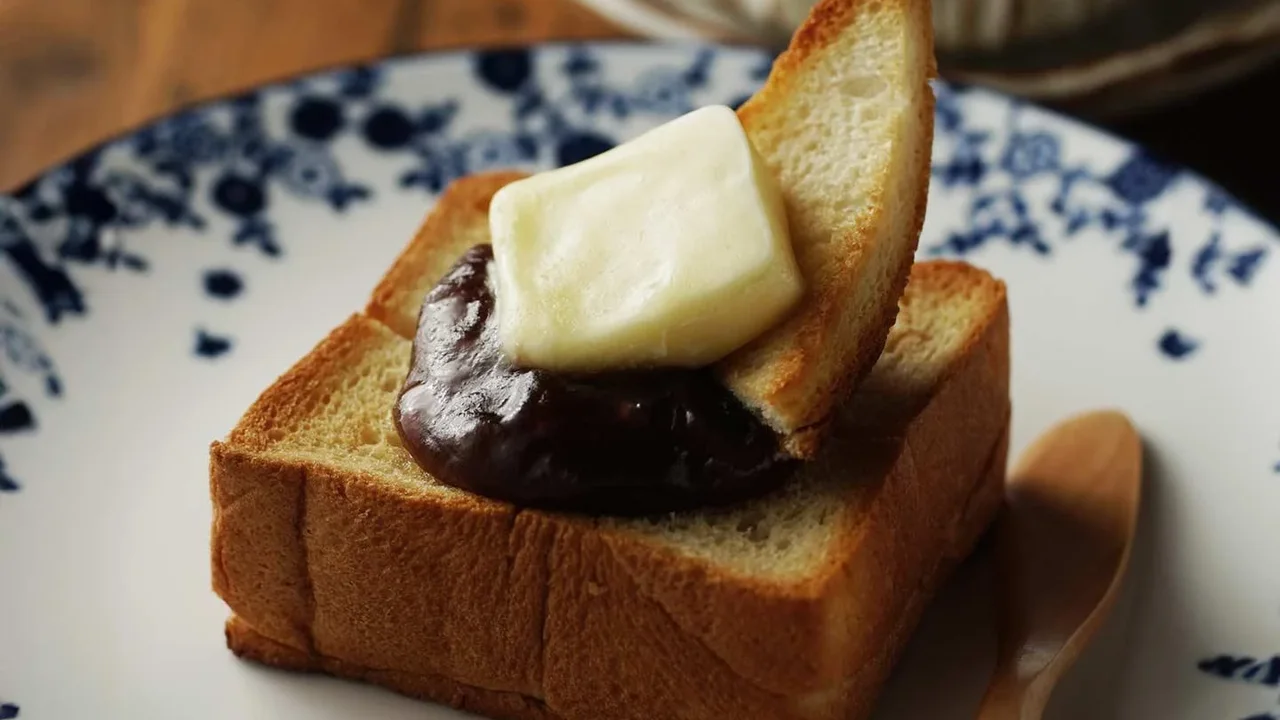
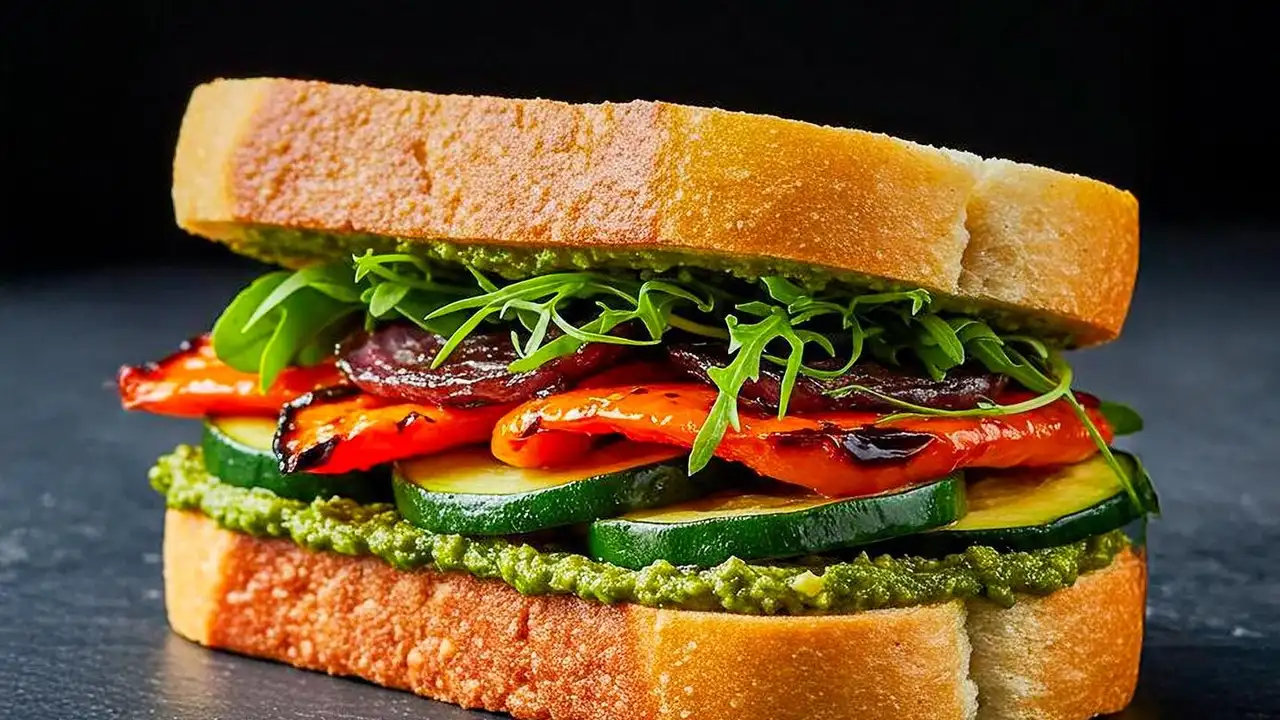
While delicious on its own with a simple slab of butter, shokupan's softness also makes it an incredibly versatile base for both sweet and savoury dishes. Its sturdy-yet-tender structure is the foundation for Japan’s iconic 'sando' culture, from the elaborate fruit sandos filled with whipped cream and fresh fruit to the savoury and satisfying katsu sando (pork cutlet sandwich). Unlike other soft breads that can become soggy, shokupan has the integrity to hold generous fillings while still yielding a soft bite. This unique combination of softness and strength has made it a favourite in high-end burger joints and cafes, where milk buns are replacing brioche as the premium choice.