




Why Mountain Weather is a Serious Business
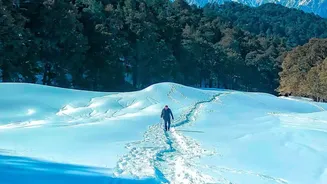
Planning a snow holiday in places like Himachal Pradesh, Uttarakhand, or Kashmir involves more than just hoping for fresh powder. The Himalayan climate is famously unpredictable and must be respected. What starts as a sunny day can quickly turn, bringing
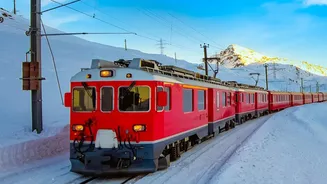
heavy snowfall, plummeting temperatures, and significantly increased risks. The primary concerns for any winter traveller in these regions are sudden road closures and landslides. Heavy snow can make roads impassable, potentially trapping travellers or forcing last-minute cancellations. High-altitude passes like Rohtang often close for months, and even accessible routes can be shut down by authorities with little warning due to ice or poor visibility, which creates hazardous driving conditions. It's not just an inconvenience; it's a critical safety issue.
Top Snow Spots and When to Go
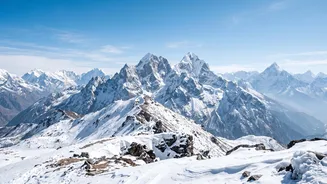
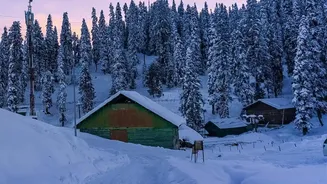
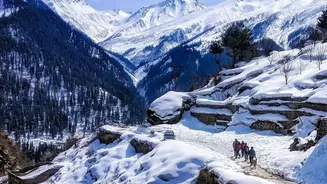
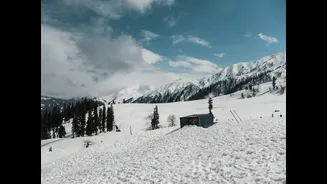
India offers several world-class destinations for snow lovers. Knowing their specific seasons helps in planning. Gulmarg in Jammu and Kashmir is a premier skiing destination, with reliable snow from December to March. Manali and its nearby Solang Valley in Himachal Pradesh are hugely popular, with the best snow typically seen from late December to February. Auli in Uttarakhand, known for its ski slopes and panoramic peak views, is best visited in January and February for the most dependable snow cover. While some snow might fall in December, January and February are generally considered the most reliable months for a full winter experience in most of these locations.
How to Get Reliable Forecasts
Your smartphone's default weather app might not be sufficient for the mountains. For the most accurate information, turn to the India Meteorological Department (IMD). The IMD issues specific mountain weather bulletins and warnings for Himalayan regions, which are the gold standard for planning. These can include forecasts for western disturbances, which are weather systems that bring crucial winter rain and snow to North India. Beyond official forecasts, it's vital to get on-ground updates. Before setting off for a high-altitude area like the Atal Tunnel or Solang Valley, speak to your local hotelier or driver. They have real-time knowledge of road conditions and which routes are safe and open, information that may not yet be reflected in a national forecast.
Pack Smart: The Art of Layering
Packing correctly for a snow holiday is essential for both comfort and safety. The key is the three-layer system. Start with a thermal base layer (top and bottom) made of synthetic material or wool, not cotton, as cotton retains sweat and makes you colder. The second, or mid-layer, is for insulation; this should be a fleece jacket or a light down puffer. The final outer layer must be a waterproof and windproof shell jacket and pants to protect you from snow and wind. Jeans are a poor choice for snow activities as they get wet, heavy, and freeze. Equally important are waterproof boots with good grip, multiple pairs of woollen socks, insulated gloves, a warm cap that covers your ears, and UV-protection sunglasses to prevent snow glare.
Have a Plan B and Consider Insurance
Mountain weather is fickle, and even the best-laid plans can be disrupted. It's wise to build buffer days into your itinerary to account for potential road closures or delays. Don't plan a tight schedule, especially when a flight or train journey follows a mountain road trip. Have a list of alternative, lower-altitude attractions you can visit if your primary destination becomes inaccessible. For peace of mind, consider travel insurance. Many standard policies do not cover adventure sports like skiing, so you may need to purchase a specific adventure travel add-on. This can provide financial protection against trip cancellations, medical emergencies, and even medical evacuations, which are crucial when travelling in remote mountain areas.